

The Kansas City, Memphis and Birmingham Railroad laid out Amory in 1887 as a planned stop halfway between Memphis and Birmingham, on the east side of the Tombigbee River valley. Today the Tennessee-Tombigbee Waterway skirts the northwest side of town and the Amory Lock marks its northern edge. Late on March 24, 2023, an EF3 tornado tore through the city, and many households here learned firsthand how quickly a damaged roof turns into soaked ceilings, wet insulation and ruined floors.
The Restoration Job works as a free call-connection service for Monroe County, not as a contractor. Call (888) 317-9980 any time of day and we'll put you in touch with an independent restoration provider that works in Amory and the rest of Monroe County. Providers commonly offer emergency water removal, drying, tarping, mold work and rebuilding, and many answer calls after hours.
How the call works: when you call (888) 317-9980, The Restoration Job connects you with an independent restoration provider that serves Amory. That provider inspects the damage, explains the scope and quotes the work. The Restoration Job doesn't perform restoration itself. Read our referral disclosure.
What the March 2023 Tornado Showed About Roof Water
The Amory tornado stayed on the ground for about 36.6 miles and reached a width of 1,600 yards. It killed two people in Monroe County and injured 55. Damage was widespread across town, especially on the north side, where roughly 115 businesses were damaged or destroyed, apartment buildings were partly unroofed and mobile homes were wiped out. It also ripped the roof off Amory High School.
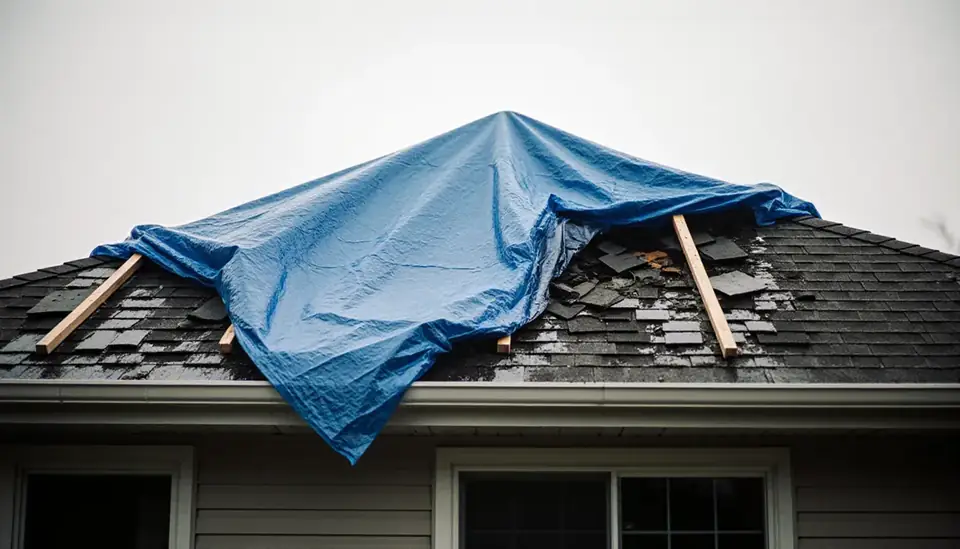
For buildings that were still standing, the second wave of damage came from rain falling through open roofs and broken windows in the following days. That pattern repeats after any strong storm: a roof that loses decking or shingles keeps taking on water until it is covered. If a storm opens your roof, a tarp and board-up come first, then removal of soaked insulation and ceiling drywall. A provider offering storm damage cleanup can usually handle both the exterior cover and the interior drying.
Monroe County's Tornado Record, From Smithville to Amory
Amory was not the county's first catastrophe. On April 27, 2011, an EF5 tornado with winds estimated at 205 mph struck Smithville, a short drive north on Highway 25. Sixteen people died, and 117 structures in Monroe County were destroyed, with another 50 badly damaged. Two disasters of that scale within twelve years are a reminder to keep insurance documents, a home inventory and a contact list somewhere you can reach from a phone.
- Photograph each room and the contents of closets once a year.
- Know your roof's age and material; adjusters will ask.
- Keep a tarp, a staple gun or roofing nails, and a utility knife on hand.
- After a storm, check the attic with a flashlight even if ceilings look fine.
Living in the Tombigbee Valley
Amory covers about 13 square miles, roughly 0.6 of which is water, and sits at about 240 feet in elevation along the valley floor. Most of the town is not on the waterway itself, but low ground near the channel, drainage ditches and small streams can take on water during long rainy spells. Check any property you own or rent on FEMA's flood maps, and remember that a typical homeowners or renters policy does not cover rising water. Flood insurance is purchased separately and usually needs time to take effect.
Water that enters from outside carries soil, sewage and chemicals, so flood cleanup generally means cutting out wet drywall and insulation, disinfecting framing and drying the structure fully before any repairs.
Practical Steps for an Amory Leak or Water Heater Failure
Not every loss comes with a siren. Water heaters, washing machine hoses, ice maker lines and toilet supply lines cause a large share of indoor water damage, and they tend to fail when nobody is home. The first steps are the same in every case: shut off the water, shut off electricity to wet areas if you can do it safely, and start documenting.
A restoration crew will typically measure moisture in walls, floors and cabinets, extract standing water, remove materials that cannot be saved and set dehumidifiers and air movers. Drying usually takes several days, and the equipment needs to run continuously. Ask for written moisture readings at the start and at the end, and keep every invoice for your claim.

Humidity and Mold in a Northeast Mississippi Town
Long, humid summers are normal in this part of the state, and indoor humidity climbs quickly when air conditioning is off or a house has storm damage. Damp drywall, carpet pad and the backs of cabinets can begin growing mold within a day or two. After a roof leak, the hidden spots are the attic insulation and the top plates of walls, which stay wet long after ceilings dry on the surface. If you notice a musty smell or discoloration weeks after a storm, have the area checked; growth inside wall cavities usually calls for mold remediation with containment rather than surface cleaning.
Amory Neighborhoods and Surrounding Towns
The same line also serves nearby communities such as:
Common Questions
My Amory roof was damaged and rain is coming in. What should I do tonight?
Move people and valuables away from the wet area, put buckets under drips and poke a small hole in a bulging ceiling so water drains in one spot rather than collapsing the drywall. Turn off power to affected rooms if it is safe. Then call (888) 317-9980 and we will try to connect you with a provider that offers emergency tarping and water removal.
Does homeowners insurance cover wind-driven rain after a tornado?
Wind damage to the roof and the rain that comes through that opening is often covered under a homeowners policy, while water rising from the ground is not. Policies differ, so read the wording or ask your agent. Photograph the roof and interior before cleanup, and keep receipts for tarps or emergency service.
Can a restoration provider help with a business or rental property in Amory?
Yes. Many independent providers in Monroe County handle commercial buildings, apartments and rental houses as well as owner-occupied homes. For rentals, the tenant should notify the owner promptly in writing, and the owner typically arranges drying and repairs to the structure. Tenants' belongings are generally covered only by their own renters policy.