
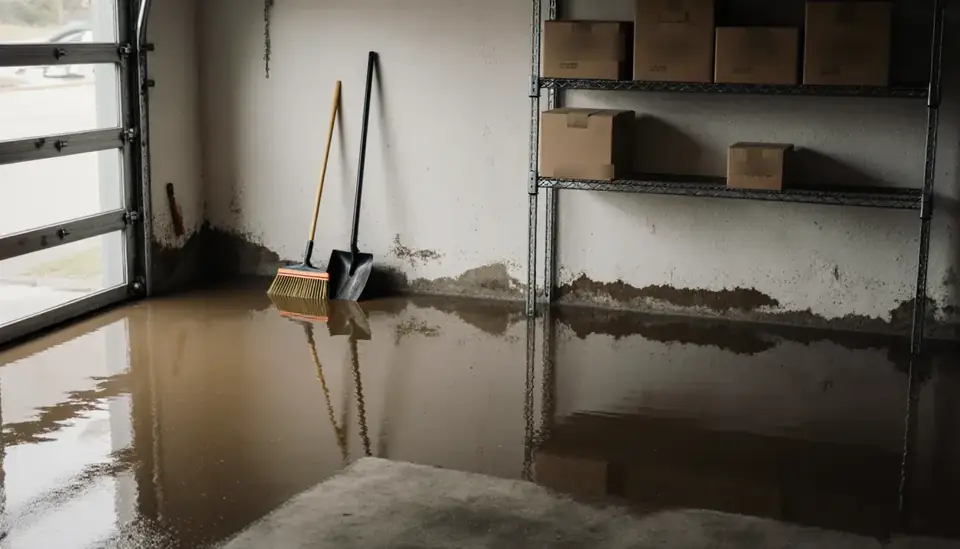
Itawamba County's seat has been on the map since 1837, and it was named for Robert Fulton, the steamboat inventor. Fittingly, the Tennessee-Tombigbee Waterway now runs along the city's western edge, and Fulton Lock is one of the structures that carry barge traffic south toward Mobile. Most water problems here, though, start much closer to home: a supply line under a sink, a roof opened up by a spring storm, or a pipe that split during a hard freeze in a crawl space nobody checks.
Rather than a contractor, The Restoration Job is a free referral line. Call (888) 317-9980 at any hour and we'll connect you with an independent restoration provider that serves Fulton and the surrounding parts of Itawamba County. Providers in the area typically handle extraction, drying, mold work and repairs, and many of them take emergency calls.
How the call works: when you call (888) 317-9980, The Restoration Job connects you with an independent restoration provider that serves Fulton. That provider inspects the damage, explains the scope and quotes the work. The Restoration Job doesn't perform restoration itself. Read our referral disclosure.
Living Beside the Tenn-Tom and Fulton Lock
The Corps of Engineers finished the 234-mile Tennessee-Tombigbee Waterway in December 1984, and it opened to traffic the following month. For Fulton, about 0.2 square miles of the city's 8.7 square miles is open water, and the low land nearest the waterway on the west side is where flood risk concentrates. Property in those low areas deserves a look on the FEMA flood map before you buy, build or renew insurance.
A standard homeowners policy generally does not pay for rising surface water. Flood coverage is a separate policy, usually with a waiting period before it takes effect, so it has to be in place well before a wet season rather than bought the week a storm is forecast. If water does come in from outside, treat it as dirty water: wet drywall, insulation and carpet pad usually have to come out, and a provider offering flood cleanup will clean and disinfect the framing before drying it.
Tornado Memory Along the Highway 25 and I-22 Corridors
Fulton sits between two places with hard tornado histories. Tupelo, 19 miles west on I-22, lost 216 people in the 1936 tornado and was hit again by EF3 tornadoes in 2008 and 2014. Smithville, 14 miles south on Highway 25 in Monroe County, was struck by an EF5 tornado on April 27, 2011, with winds estimated at 205 mph. Sixteen people died, and 117 structures in the county were destroyed.
Most storms that reach Itawamba County are far weaker than that, but even a modest squall line can lift shingles, drop a limb through a roof or push rain under flashing. Interior damage from a roof opening often spreads quietly through attic insulation and into ceilings over several days. Tarping the opening quickly and getting the wet insulation out are usually the first steps in storm damage cleanup, ahead of any drywall or flooring work.
Hard Freezes and Crawl Space Pipes in Itawamba County
The nearest long-term climate record, at Tupelo, shows about 57.7 inches of precipitation a year, with December the wettest month. Snow is light, around two inches in a normal winter, but the record low there is minus 14 degrees, set in January 1940. Cold snaps in this corner of the state are short and sharp, which is exactly the pattern that catches people off guard.
- Pipes in exterior walls, unheated garages and crawl spaces are the most likely to split.
- A frozen pipe often leaks only after it thaws, so check under the house when temperatures climb back above freezing.
- Know where your main shutoff is, and whether it is at the meter by the street or inside the house.
- If you leave home during a freeze, keep the heat on and open cabinet doors on exterior walls.
Water that runs into a crawl space can soak the subfloor and the vapor barrier for days before anyone notices a soft spot or a smell indoors.
What Drying Out a Fulton Home Usually Involves
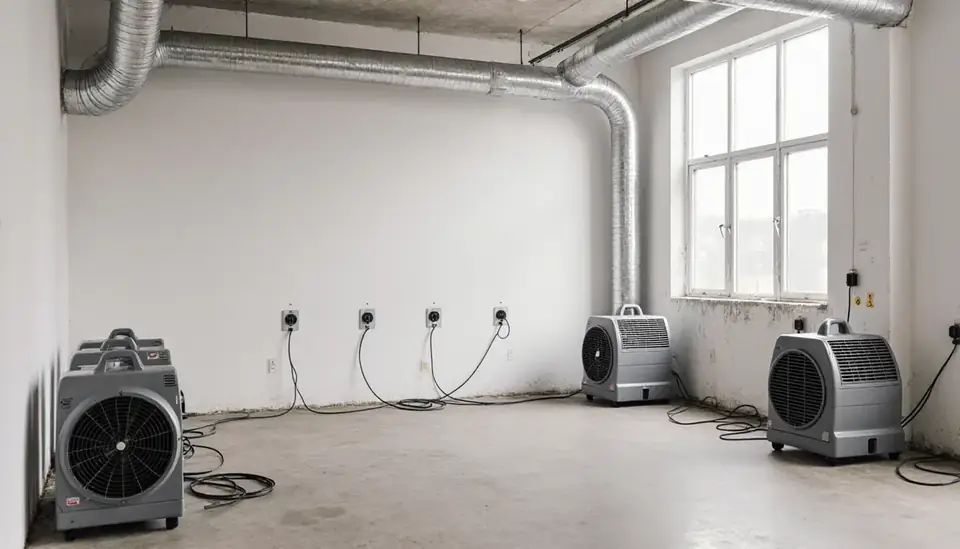
A restoration crew will normally start by finding and stopping the source, then pulling standing water with truck-mounted or portable extractors. Next comes a moisture survey with meters and sometimes thermal cameras, because water travels under flooring and behind baseboards farther than it looks. Wet carpet pad, saturated insulation and drywall that has wicked water are cut out; hardwood and framing are usually dried in place with dehumidifiers and air movers.
Keep photos of everything before it is removed, along with a list of damaged belongings, for your insurance adjuster. Ask the provider for daily moisture readings, and do not let anyone close walls or lay new flooring until those readings show the materials are dry. With Itawamba Community College's main campus in town, many Fulton landlords also manage rentals; a tenant should notify the owner in writing, while the owner arranges the structural drying.
Mold Pressure in Itawamba County's Muggy Months
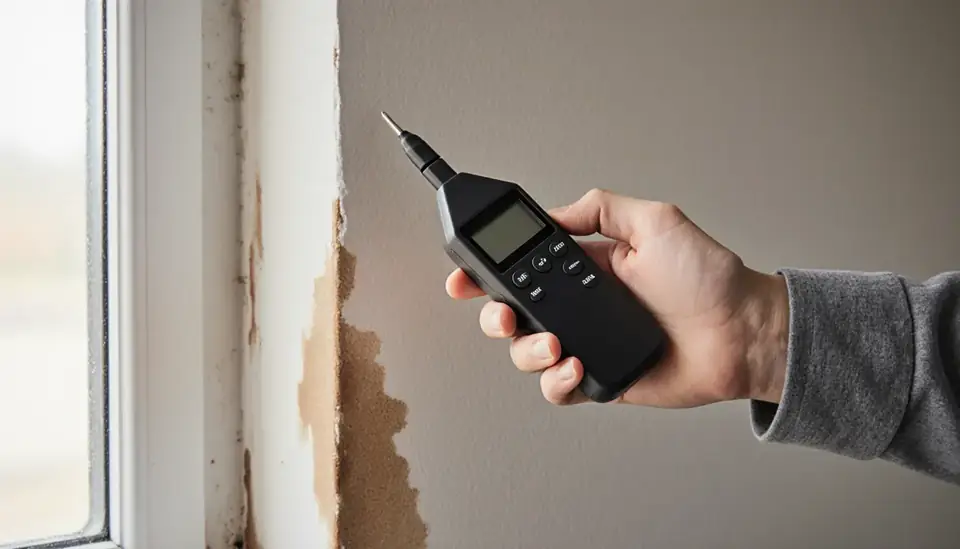
Northeast Mississippi has a humid subtropical climate, and from late spring into early fall the air indoors can stay damp unless the air conditioning is running steadily. Wet building materials in that setting can begin to grow mold within a day or two. The practical defense is speed: get water out, get dehumidifiers running, and remove materials that cannot be dried. A musty smell from a closet, a crawl space hatch or the back of a cabinet after a leak is a sign that something stayed wet too long. Small spots on hard surfaces can often be cleaned, but larger growth, or growth inside walls, is better handled by a provider offering mold remediation.
Fulton Neighborhoods and Surrounding Towns
The same line also serves nearby communities such as:
Questions From Fulton Property Owners
Is my Fulton property in a flood zone near the waterway?
Check the address on FEMA's Flood Map Service Center, which shows the official flood hazard zones used for insurance. Lots on low ground near the Tenn-Tom are the first ones to check. Even outside a mapped zone, a separate flood policy may be worth pricing, since homeowners coverage generally excludes rising water.
A crawl space pipe split in a Fulton cold snap. What comes first?
Shut off the main water valve, then turn off power to any circuits near the leak if it is safe to do so. Open faucets to drain the lines and take photos of the crawl space and any wet floors. A restoration provider can remove water from the crawl space, dry the subfloor and check whether insulation or the vapor barrier needs replacing.
Can I get help in Fulton at night or on a weekend?
The (888) 317-9980 line is answered 24/7, and we will try to connect you with an independent provider that serves Itawamba County. Many providers offer emergency service, though availability varies after a widespread storm. While you wait, stop the source, move valuables off wet floors and keep the area ventilated.
Do I need to wait for the insurance adjuster before drying starts?
Usually not. Most policies expect you to take reasonable steps to prevent further damage, which includes extracting water and starting drying. Document the damage thoroughly with photos and video first, keep any removed materials or samples if your insurer asks, and save every receipt. Call your agent early so the claim is open while work begins.