
Bay St. Louis, the Hancock County seat, sits on the west shore of the Bay of St. Louis with the Jourdan River along its northern edge. Nearly half of its 26.6 square miles is water. Inland, a ridge follows the old routing of Highway 90, the Old Spanish Trail, where USGS maps show ground at about 25 feet, and that ridge stayed dry when Katrina's surge flooded much of the rest of the city. A few blocks can make the difference between a house that floods and one that does not.
The Restoration Job refers callers to independent restoration companies and does no repair work itself. Call (888) 317-9980, any hour, and we'll connect you with a provider that covers Bay St. Louis and the surrounding parts of Hancock County. Providers commonly offer extraction, drying, demolition and storm repairs, and many handle emergency calls.
How the call works: when you call (888) 317-9980, The Restoration Job connects you with an independent restoration provider that serves Bay St. Louis. That provider inspects the damage, explains the scope and quotes the work. The Restoration Job doesn't perform restoration itself. Read our referral disclosure.
High Ground on the Ridge, Low Ground on the Bay
Katrina produced a storm tide of more than 30 feet here on August 29, 2005, and the Hancock County EOC recorded a 28-foot high-water mark. Across the county, not one building or home on the seven-mile beachfront was left intact, houses up to 10 miles inland flooded, and the Highway 90 bridge across the bay was wrecked so badly that it was described as looking like a stack of dominoes. Camille had already come ashore at neighboring Waveland in 1969, with a minimum pressure of 904 millibars measured at Bay St. Louis.
The ridge is the exception that proves how much elevation matters. Properties along the bayfront, near the river or on lower ground away from the old highway carry very different risk than those on top of it. Pull up your exact address on FEMA's flood maps before deciding what coverage and precautions you need.
Smaller Surges: Isaac and Zeta
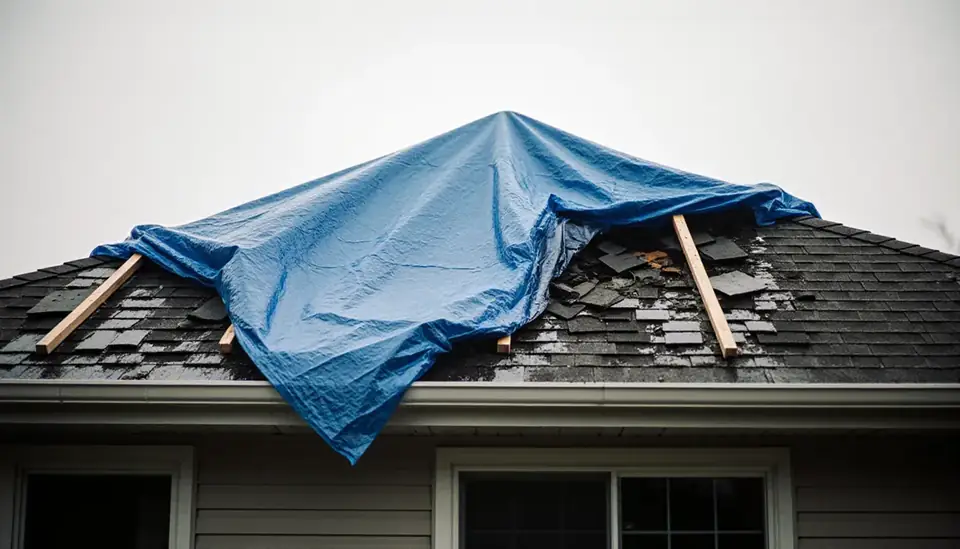
Surge does not need to be catastrophic to cause damage. Hurricane Isaac pushed an 8.3-foot surge into Hancock County in 2012 while dropping 17.04 inches of rain at nearby Kiln, and Hurricane Zeta's peak surge of 9.99 feet in October 2020 was measured at Bay St. Louis. Storms like these put a foot or two of water into low-lying homes and businesses, saturate yards along the Jourdan River and the bay, and leave roof and window leaks across the rest of town.
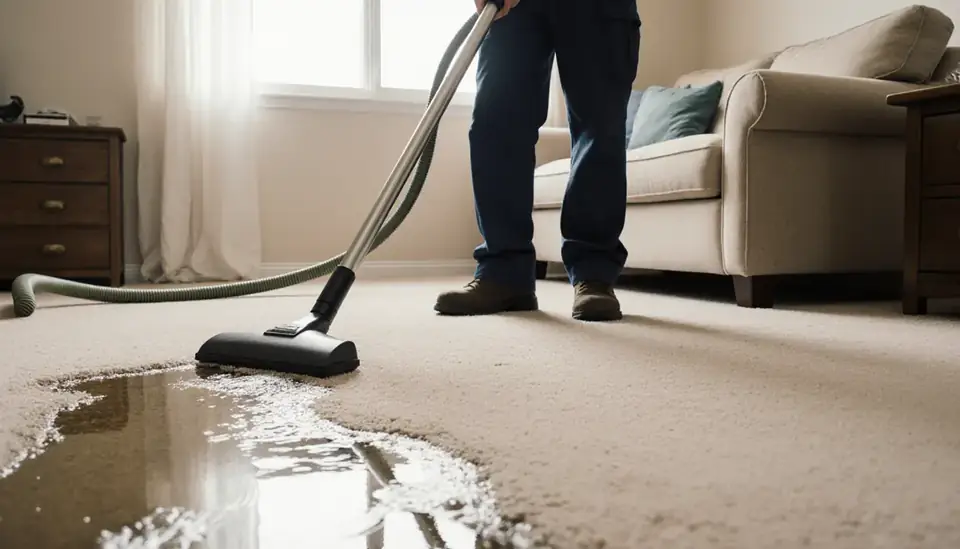
Shallow floodwater still counts as contaminated. Carpet, pad and the bottom of the drywall typically come out, the framing is cleaned, and the space is dried before rebuilding. Water extraction as soon as the water recedes cuts drying time considerably.
Old Town Storefronts and Older Homes
Old Town has its own merchants association, and many storefronts and homes in and around it are older buildings. Structures of that age often have plaster walls, wood floors and pier foundations, along with additions and renovations from different eras. Water can travel between those layers in unexpected ways, so a leak in one room may show up somewhere else.
- Have moisture readings taken in walls and floors beyond the visibly wet area.
- Check under the building as well as inside it.
- Ask whether original wood floors can be dried in place before they are pulled.
- Businesses should document damaged inventory and fixtures before cleanup.
Permits and the City Building Department
The city's Building Department handles permits through its online system, publishes erosion control details for construction sites, and keeps a flood management plan. Its contact is listed on the city website. Before rebuilding after a flood, call the department to ask what permits apply and whether the extent of damage triggers elevation or other floodplain requirements. Emergency steps such as extraction, removal of wet materials and drying generally come first, but larger repairs should wait until you know the rules.
Many of the same questions come up across the bay in Pass Christian, where the peninsula faces surge from three directions.
Mold After a Hancock County Summer Storm
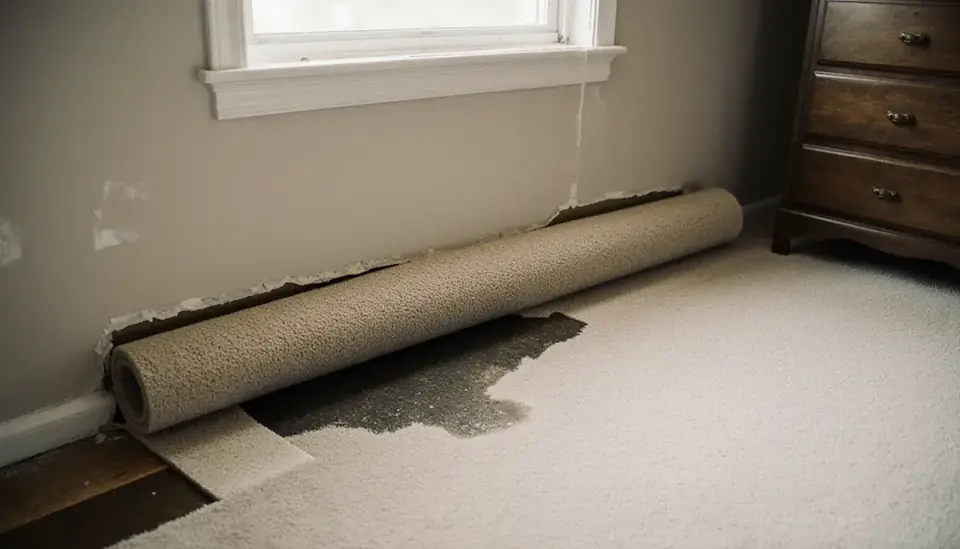
Coastal Hancock County stays warm and humid for months, and buildings that sit closed after an evacuation or a power outage are prime territory for mold. About 22 percent of housing units in the city were vacant at the 2020 census, and unoccupied houses are where leaks go longest without being found. The EPA advises drying water-damaged materials within 24 to 48 hours. When growth is already visible, mold remediation with containment keeps it from spreading to clean rooms while the structure is dried.
Bay St. Louis Neighborhoods and Surrounding Towns
Calls come in from across Bay St. Louis, including:
- Old Town
The same line also serves nearby communities such as:
- Waveland
- Diamondhead
- Pass Christian
- Kiln
- Lakeshore
- Long Beach
Bay St. Louis Water Damage Questions
Does living on the old Highway 90 ridge in Bay St. Louis mean I don't need flood insurance?
It lowers your risk, since that ridge stayed above Katrina's surge, but it does not remove it. Heavy rain, blocked drainage and plumbing failures can still put water in the house, and surge maps change over time. Flood insurance from a separate policy is the only coverage for rising water, so check your property on FEMA's Flood Map Service Center before deciding.
What should I do first when the Jourdan River or the bay floods my yard but not my house?
Check the crawl space or the slab edges, the HVAC equipment outside and any ductwork under the house. Water that stays under a raised home keeps humidity high inside and can wet insulation and subfloor without showing upstairs. Once it drains, ventilating and drying the space under the house helps prevent mold and odor.
How is storm damage cleanup in Bay St. Louis different for an Old Town business?
Commercial buildings add inventory, equipment and lost business days to the usual structural drying. Photograph shelves, coolers and fixtures before anything is moved, keep a log of closed days, and notify your insurer early. A restoration provider can stage the work so part of the space reopens while affected areas are still drying.