

Stone County's seat is a small city of a little over 4,000 people, surrounded by pine forest, creeks and one of the state's flood-control reservoirs. Wiggins averages roughly 67 inches of precipitation a year, and as part of the Gulfport-Biloxi metro area it sits in the path of tropical systems that are still carrying heavy rain and strong winds when they move inland.
The Restoration Job does not repair homes. It is a free phone line: call (888) 317-9980 and we'll connect you with an independent restoration provider that works in Stone County. Providers there commonly offer structural drying, water removal, storm cleanup and mold work.
How the call works: when you call (888) 317-9980, The Restoration Job connects you with an independent restoration provider that serves Wiggins. That provider inspects the damage, explains the scope and quotes the work. The Restoration Job doesn't perform restoration itself. Read our referral disclosure.
Red Creek, Flint Creek and Water That Moves Toward the Pascagoula
Red Creek runs west of Wiggins, past Highway 26, on its way to Black Creek and eventually the Pascagoula River. Closer to town, the 600-acre Flint Creek Reservoir sits about two miles from the business district inside Flint Creek Water Park, which opened in 1969. The park is run by the Pat Harrison Waterway District, a state agency whose parks serve flood control and water management as well as recreation.
Most homes in Wiggins are not on a creek bank, but water still collects. Long, heavy rains saturate the ground, back up roadside ditches and push water toward low yards, slabs and crawl spaces. If you live near a creek or drainage channel, look up your property on the FEMA flood map instead of assuming you are outside the risk area.
Hurricane Winds and Fallen Pines Across Stone County
The National Weather Service office in Mobile noted after Hurricane Katrina in 2005 that tree damage across Stone and George counties looked very similar to what Hurricane Ivan had done the year before. In a forested county, that is the main path from storm to water damage: a pine comes down on a roof, the decking breaks, and rain pours into the attic and rooms below.
More recently, Stone County was one of four Mississippi counties included in the federal disaster declaration DR-4930 for Tropical Storm Arthur in 2026. After any storm like that, cover roof openings quickly, then deal with wet insulation, drywall and flooring. Storm damage cleanup and drying generally need to happen together.
Yes, Pipes Freeze in Wiggins
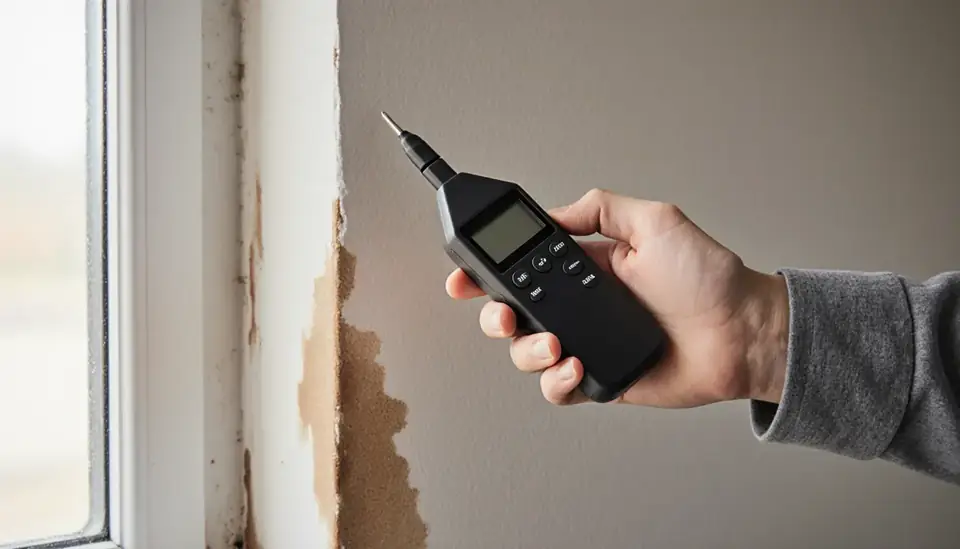
South Mississippi winters are mild most years, but the record low in Wiggins is 1 degree Fahrenheit. Homes built for heat are often the most vulnerable when a hard freeze arrives, because plumbing runs through crawl spaces, exterior walls and unheated attics with little insulation.
- Before a freeze, cover outdoor faucets and insulate exposed pipes under the house.
- Let faucets on outside walls drip and open sink cabinets so warm air reaches the pipes.
- Know where the main shutoff is. A split pipe can release a lot of water once it thaws.
- After a thaw, check the crawl space and the ceiling below attic lines for drips.
Crawl Spaces, Slabs and Getting Moisture Out
A house in the Wiggins area may sit on piers over a crawl space or on a concrete slab. Each fails differently. Under a raised floor, water can soak insulation and ductwork and pool on the ground for days before anyone notices the soft floor or musty smell. On a slab, water spreads under flooring and wicks into the bottom of walls and cabinets.
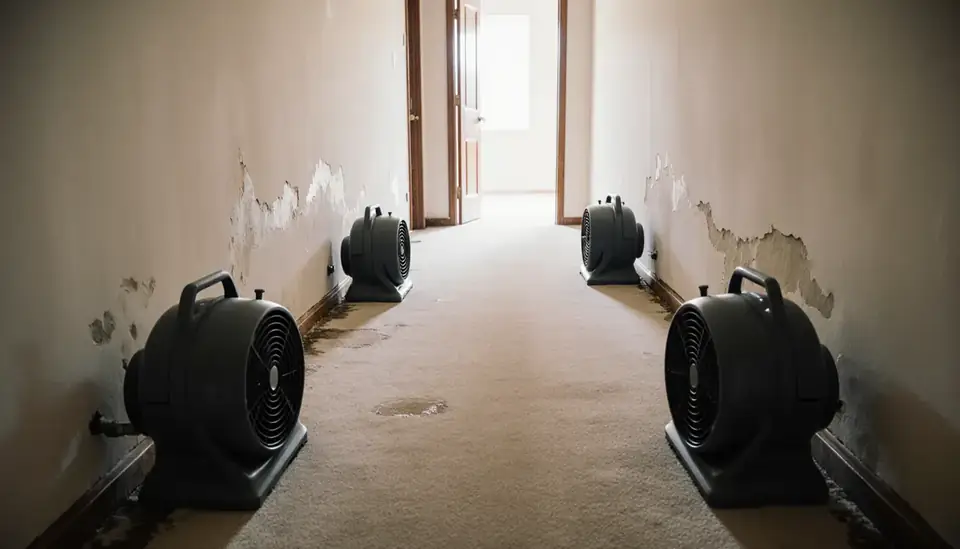
A provider will usually extract standing water, remove soaked materials that cannot be dried, then set dehumidifiers and air movers and track moisture readings until framing and subfloors reach normal levels. In crawl spaces, wet insulation is typically pulled down and the space dried before new insulation goes back.
Mold, Humidity and Stone County Resources
With long, hot summers and high humidity, mold can start on damp building materials within a day or two. Wet carpet pad, drywall and insulation that cannot be dried quickly are usually better removed than saved. Signs that moisture is still a problem include a lingering musty odor, warped baseboards and spotting that returns after cleaning.
Stone County Emergency Management, at 533 First Street South in Wiggins, offers a storm damage self-reporting tool, a list of county shelters and an Emergency Evacuation Assistance Program for residents who need help getting to a shelter, with registration recommended before hurricane season. Statewide background is on the Mississippi service area page.
Areas In and Around Wiggins
The same line also serves nearby communities such as:
- Perkinston
- Poplarville
- Lucedale
- Vancleave
- Gulfport
Common Questions
Does Flint Creek Reservoir protect Wiggins from flooding?
The Pat Harrison Waterway District operates its parks for flood control and water management as well as recreation, but no reservoir removes all flood risk. Heavy rain can still flood ditches, low yards and areas near creeks and drainage channels. Check your property's flood zone on the FEMA Flood Map Service Center and keep in mind that standard homeowners policies exclude rising water.
A pipe burst under my house during a freeze. What should I do?
Turn off the main water valve right away, then shut off power to any area where water is near outlets or equipment. Open cabinets and doors to help airflow, and photograph the damage. Water in a crawl space can soak insulation and ductwork unseen, so have the space inspected and dried. Call (888) 317-9980 to reach a provider that serves Wiggins.
How do I report storm damage to Stone County?
Stone County Emergency Management provides a storm damage self-reporting tool on its website. Reports help the county understand the scale of damage after an event. That report is separate from your insurance claim and from any FEMA application, which only becomes available when a federal declaration such as DR-4930 is in place.
Is a musty smell after a leak a sign of mold?
Often, yes. In a humid climate like Wiggins, materials that stayed damp for more than a day or two can start growing mold, and the odor usually shows up before visible spots. Moisture testing can find wet areas behind walls or under floors. Fixing the moisture source comes first, then affected porous materials are removed and the structure cleaned.