
George County's seat grew up around a lumber business and a railroad at the start of the 1900s, and it still sits among pine forest and farmland about 281 feet above sea level. Lucedale has no rivers or lakes inside its 6.4 square miles, so the water damage people here deal with usually comes from above or from inside the house: hurricane winds that bring down trees, heavy rain through damaged roofs, and failed plumbing.
The Restoration Job is a referral line, free to callers, that connects you with independent companies; it has no crews of its own. Call (888) 317-9980 and we'll connect you with a restoration provider that serves Lucedale and the rest of George County. Many offer water damage restoration, roof tarping, drying and mold work.
How the call works: when you call (888) 317-9980, The Restoration Job connects you with an independent restoration provider that serves Lucedale. That provider inspects the damage, explains the scope and quotes the work. The Restoration Job doesn't perform restoration itself. Read our referral disclosure.
Ivan, Katrina and the Pine Trees of George County
Two hurricanes in back-to-back years left a clear pattern here. After Katrina in 2005, the National Weather Service office in Mobile reported that tree damage across George and Stone counties was very similar to the damage Hurricane Ivan had caused in 2004. During Katrina, the Mobile radar measured winds up to 132 mph a few thousand feet above the ground, with much of that energy estimated to reach the surface.
In a wooded county, falling trees are often what turns a windstorm into a water problem. One limb through the roof decking can let rain soak an attic, the insulation and the ceilings below over the next several days, particularly if power is out and nobody can run fans or a dehumidifier. Prompt storm damage cleanup, starting with covering the opening, limits how far the water spreads.
High Ground in Town, River Swamps Out in the County
Lucedale itself sits well above the floodplain, but George County is where the Pascagoula River begins. The Leaf and Chickasawhay rivers meet in the northwestern part of the county, and the Pascagoula then winds south through swampy bottomland in George and Jackson counties on its way to the Gulf. Homes and camps near those river bottoms face a very different flood risk from homes in town.
If you live in the county outside city limits, check your property on the FEMA flood map. Standard homeowners insurance does not cover rising water from rivers or creeks; that requires a separate flood policy. In town, the more common issues are poor yard drainage, water running toward a slab during a downpour and gutters overflowing against the foundation.
Leaks Inside the House: Water Heaters, Supply Lines and Slow Drips
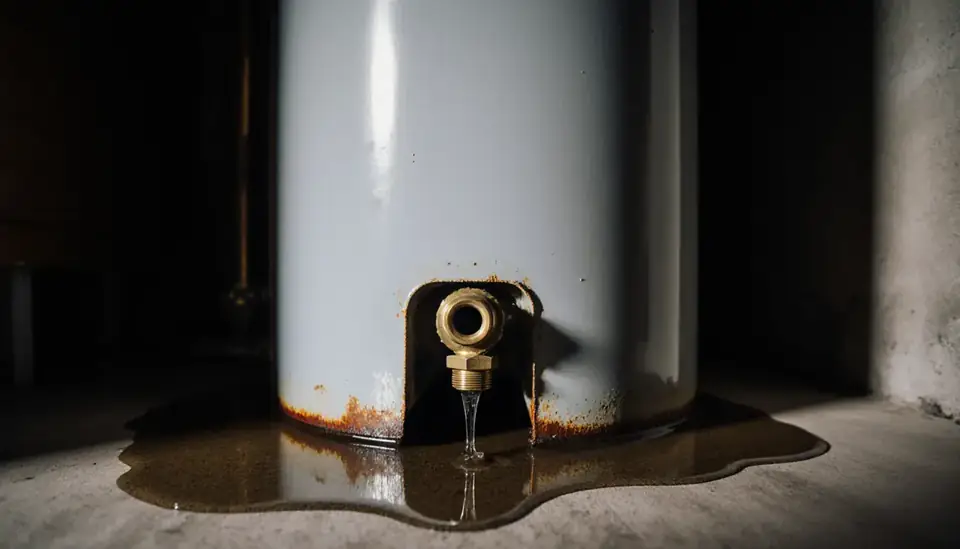
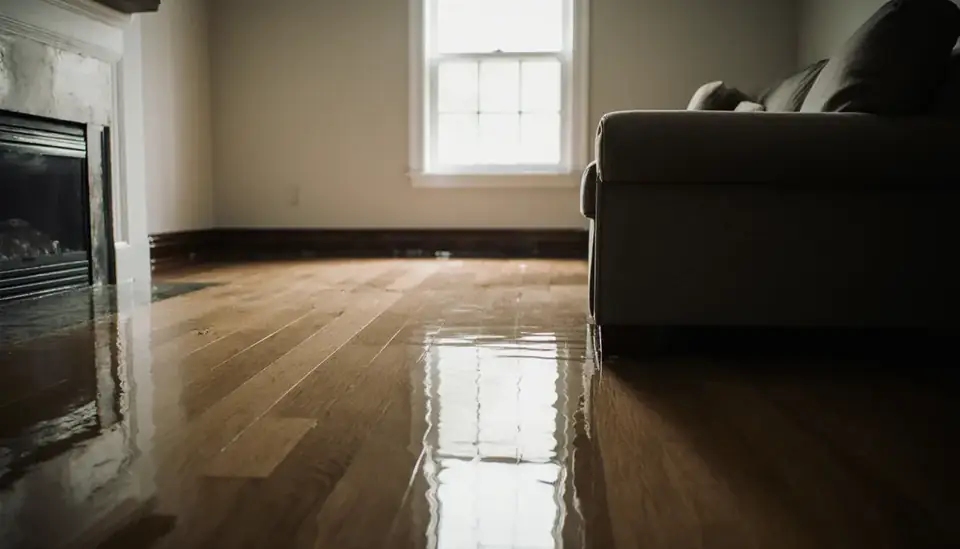
Plenty of water damage in a small town like this has nothing to do with the weather. A water heater gives out in a closet or garage, a washing machine hose splits, or a supply line under a sink drips for weeks behind a cabinet. Because the water is clean at the start, these losses are often the most salvageable if they are caught early.
- Shut off the water heater or fixture valve, or the main if you cannot find the local valve.
- Turn off power to wet areas and unplug electronics on the floor.
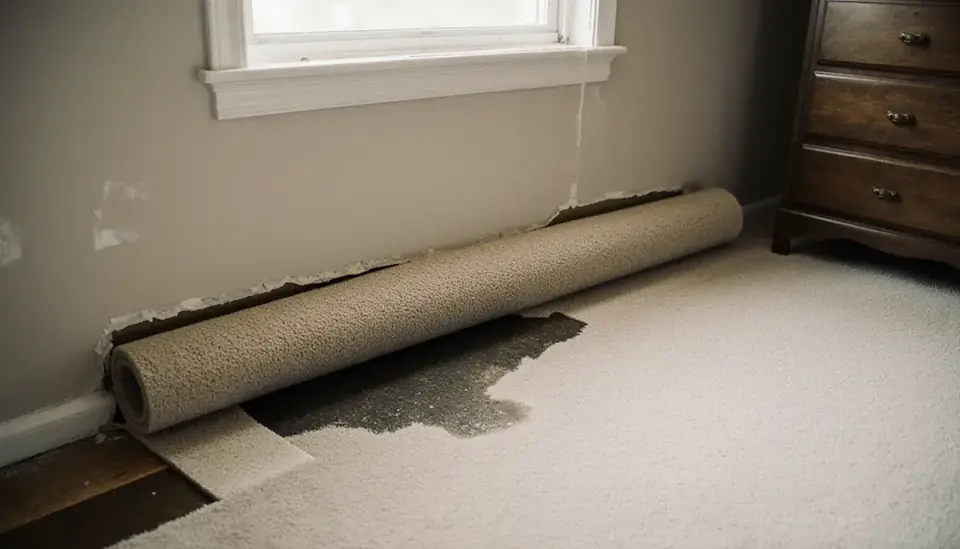
- Lift area rugs off the wet floor and set wood furniture legs on foil or blocks.
- Photograph everything before any materials are removed.
From there, fast water extraction and properly sized drying equipment can often save cabinets, trim and subfloors.
Why Wet Houses Grow Mold Quickly in South Mississippi
Long, humid summers mean moisture does not leave a building on its own. Drywall, carpet pad, wood trim and insulation that stay damp for more than a day or two can start to grow mold, and closed-up rooms without air conditioning are the fastest to develop it.
Professional drying relies on dehumidifiers and air movers, plus moisture readings to confirm that walls and floors have actually returned to normal. Where mold has already started, porous materials are removed and the framing behind them cleaned. Covering stains with paint only hides the problem until the next humid stretch.
Who to Call in George County Before and After a Storm
The City of Lucedale's disaster and emergency preparedness page lists the George County Emergency Operations Center, (601) 947-7557, as the local contact, and links to guidance on hurricanes, tornadoes, flooding and fire. For forecasts and warnings, follow the National Weather Service office in Mobile.
Neighboring Jackson County deals with tidal river and surge flooding that Lucedale does not; see the Moss Point page for that side of the Pascagoula basin. For statewide context, visit the Mississippi overview.
Lucedale Neighborhoods and Surrounding Towns
The same line also serves nearby communities such as:
- Hurley
- Wade
- Escatawpa
- Moss Point
- Wiggins
- Vancleave
Frequently Asked Questions
Lucedale has no river in town. Is flood insurance worth considering?
It depends on where you live. Inside the city, river flooding is less likely, but heavy rain can still send water toward low slabs and garages. Out in the county, homes near the Pascagoula, Leaf or Chickasawhay river bottoms face real flood risk. Check the FEMA flood map for your address, and remember homeowners policies exclude rising water.
A tree fell through my roof. Can I start drying the house myself?
You can take early steps safely: keep everyone out of rooms under the damage, move belongings away from the wet area and photograph everything. Do not run electrical equipment in wet rooms until power is checked. The roof opening needs to be tarped before drying will work, and soaked insulation and ceiling drywall usually have to come out. A provider can handle both.
Who is the local emergency contact for Lucedale?
The City of Lucedale lists the George County Emergency Operations Center at (601) 947-7557 on its disaster and emergency preparedness page. The National Weather Service office in Mobile issues forecasts and warnings for the area, and the Mississippi Emergency Management Agency posts statewide updates and disaster assistance information.
How can I tell if water got into my walls after a leak?
Look for swelling or soft spots in baseboards, paint that bubbles, stains that spread and a musty smell. These signs can appear days after the leak. Moisture meters and thermal imaging, which restoration providers commonly use, can find damp areas behind drywall and under flooring so only the wet sections need to be opened up.