
Gulfport stretches from 6.7 miles of beach on the Mississippi Sound north past Interstate 10 to Lyman and Orange Grove, and that spread matters when water gets into a building. A house on East Beach faces a very different set of threats than a ranch home off the Biloxi River or a cottage in Soria City. The city counted 39 official neighborhoods in 2000, and the mix of historic districts, postwar subdivisions, apartments and post-Katrina construction means there is no single Gulfport water problem.
We are a free referral line rather than a contractor. Call (888) 317-9980 on our 24/7 line and we'll connect you with an independent restoration provider that serves Gulfport and the rest of Harrison County. Providers here commonly handle extraction, drying, tear-out and storm repairs, and many offer emergency service.
How the call works: when you call (888) 317-9980, The Restoration Job connects you with an independent restoration provider that serves Gulfport. That provider inspects the damage, explains the scope and quotes the work. The Restoration Job doesn't perform restoration itself. Read our referral disclosure.
From Camille's 21 Feet to Katrina's Eastern Eyewall
Gulfport has been flattened by surge twice in living memory. Hurricane Camille pushed storm water to about 21 feet in the city on August 17, 1969, and nearly destroyed the port. On August 29, 2005, Katrina hit with its strong eastern side, bringing winds of at least 100 mph and a surge of at least 19 feet. Around 9,571 houses were damaged or destroyed. The National Hurricane Center's report places surge of 17 to 22 feet along the eastern half of the Mississippi coast, roughly from Gulfport to Pascagoula, and notes it reached at least six miles inland in many places and farther along bays and rivers.
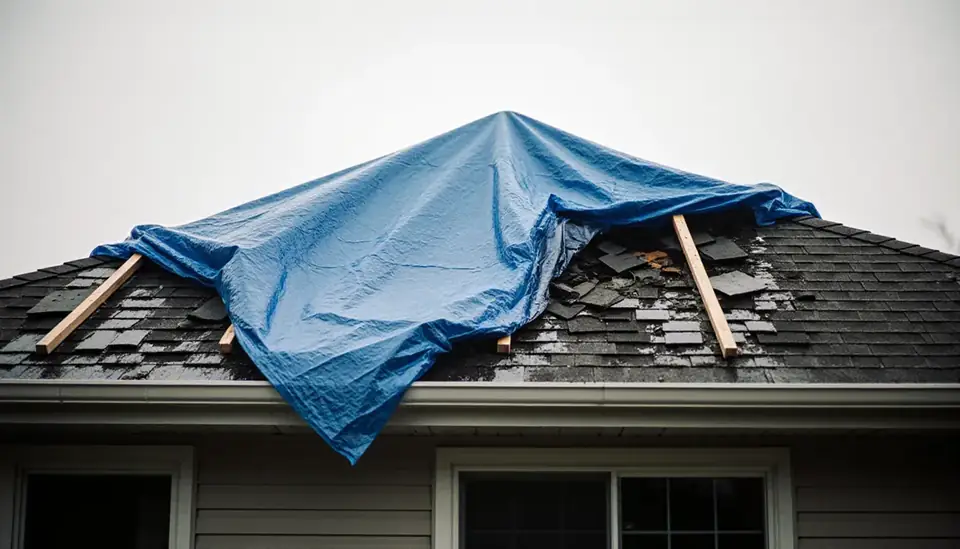
Not every storm is a Katrina. Hurricane Isaac in 2012 was mostly a rain event, dropping 10.85 inches at the city's gauge with gusts to 70 mph. That kind of storm fills ditches and bayous, overwhelms gutters and drives rain through soffits, window frames and roof penetrations for hours.
Bayous, Creeks and Neighborhoods North of the Beach
The beachfront gets the headlines, but much of Gulfport sits well inland along waterways such as the Biloxi River, Bayou Bernard, Brickyard Bayou and Turkey Creek. Turkey Creek, a community founded by emancipated African Americans during Reconstruction and annexed by the city in 1993, takes its name from one of them. When heavy rain falls on saturated ground, low yards and streets near these channels can hold water long after the sky clears.
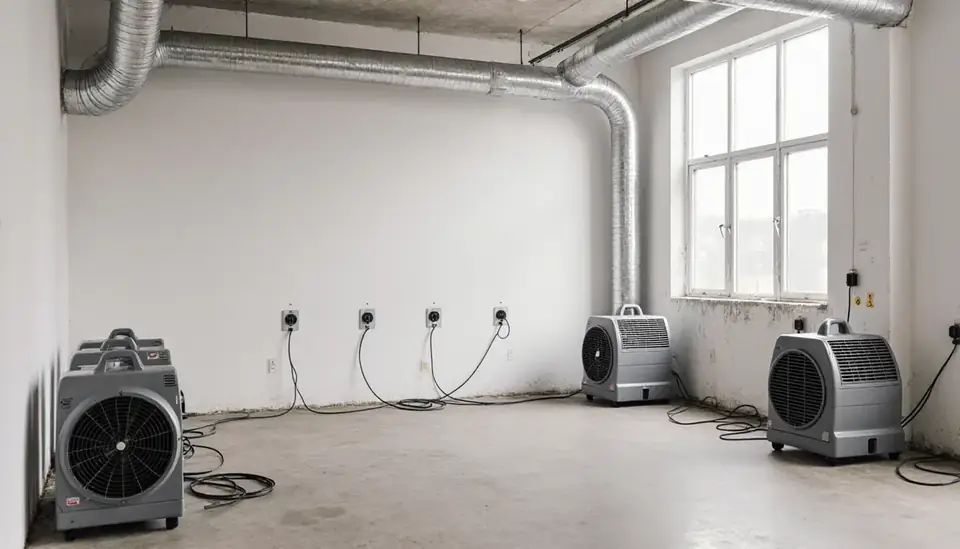
Water that comes in from outside, whether surge, bayou overflow or street runoff, should be treated as contaminated. Wet carpet and pad, the lower section of drywall and soaked insulation usually have to go before drying can work. A provider offering flood cleanup will typically extract standing water, cut walls above the waterline, disinfect, and then set dehumidifiers and air movers.

Older Homes in Gulfport's Historic Districts
Six local historic districts are on the National Register, including Second Street, Soria City, Broadmoor Place, Gulf Gardens, Central Gulfport and Southwest Gulfport. Older houses in these areas often sit on piers with a crawl space below, and they hide water in places owners rarely check: the subfloor, insulation between floor joists, ductwork under the house and the sill plate. Plaster walls and old heart-pine floors also dry differently from modern drywall and engineered flooring, so they need moisture readings rather than guesswork.
Newer slab homes in the north end of the city fail differently. A supply line under a sink or a water heater in a closet spreads water across the slab, under baseboards and into the bottom of cabinets. Either way, structural drying with meters is how you confirm the framing is actually dry before anything gets closed back up.
Nearly 63 Inches of Rain and a Long Humid Season
Gulfport averages about 62.8 inches of precipitation a year, and the city set an all-time high of 107 degrees on August 26, 2023. Heat plus moisture is exactly what mold needs. The EPA advises drying water-damaged materials within 24 to 48 hours to prevent growth, which is a short window in a coastal August, especially with the power out after a storm.
- Pull wet rugs, pad and cardboard out of the house first.
- Open closets, vanities and lower cabinets so trapped air can move.
- Run dehumidifiers with windows shut once power returns; outside air in summer is usually wetter than the air you want inside.
- If growth already shows on walls or ceilings, ask about mold remediation with containment.
Getting Help and Keeping Records
Harrison County Emergency Management posts hurricane information, evacuation and shelter details and an e-notification sign-up. Before a storm, photograph each room and the exterior. After one, document the waterline, the damage and any temporary repairs before cleanup begins, and keep receipts for tarps, fans and lodging.
Remember the difference between wind and water claims. Rising water from the Sound or a bayou is generally excluded from standard homeowners policies and handled by a separate flood policy, while rain entering through a roof torn by wind is often a homeowners claim. Neighbors across the Back Bay in Biloxi face the same split.
Neighborhoods and Nearby Communities
Calls come in from across Gulfport, including:
- East Beach
- West Beach
- Handsboro
- Mississippi City
- Orange Grove
- Lyman
- Turkey Creek
- Soria City
- Bayou View
The same line also serves nearby communities such as:
Questions From Gulfport Property Owners
My Gulfport house is north of I-10. Do I really need flood insurance?
Distance from the beach helps with surge but not with rain. Much of north Gulfport drains through the Biloxi River, Bayou Bernard and Turkey Creek, and the NHC found Katrina's surge pushed at least six miles inland in many coastal areas. Check your property on FEMA's Flood Map Service Center, and remember that a standard homeowners policy does not cover rising water.
Rain came in around my windows during a storm but nothing flooded. Is that serious?
It can be. Wind-driven rain soaks the wall cavity behind the window, where you cannot see it, and Gulfport humidity keeps it from drying on its own. Look for swollen trim, bubbling paint or a musty smell in the days afterward. A moisture meter check of the wall around the frame will show whether insulation and drywall need to come out.
How should water damage restoration in Gulfport work for an older pier-and-beam house?
The crawl space has to be part of the job. A restoration crew should check the subfloor, floor insulation and ductwork under the house, not just the rooms above. Soaked batts between joists usually come out, and the space may need its own dehumidification. Skipping the crawl space is one of the most common reasons odor and mold return months later.