
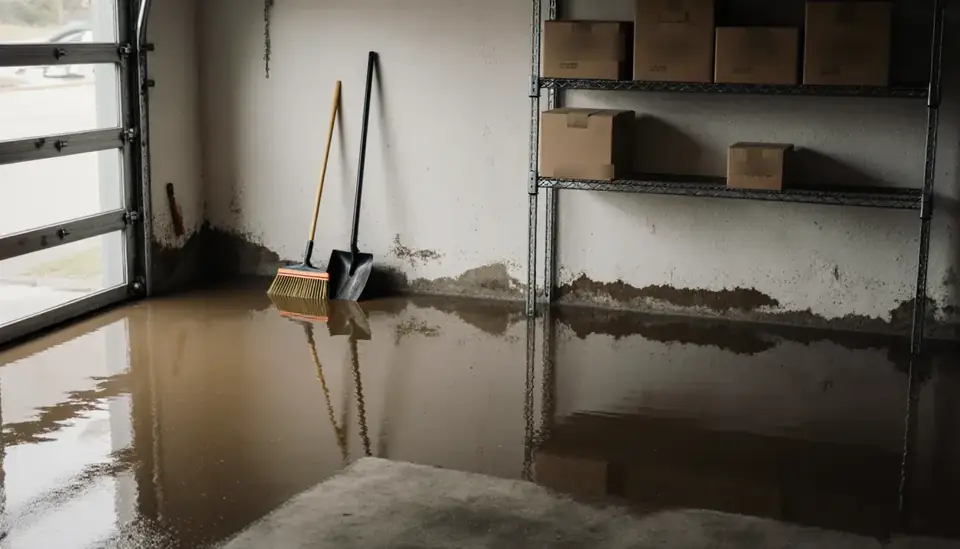
D'Iberville sits directly north of Biloxi across the Back Bay, at an elevation of about 13 feet, with the Tchoutacabouffa River and Cypress Creek winding through its eastern and northern side. The city was only incorporated in 1988, and it describes itself as founded on the banks of Back Bay. That location gives it two flood sources that behave very differently: tidal surge from the bay during hurricanes, and river flooding that can arrive a day or two after the rain stops.
The Restoration Job connects callers with independent restoration providers; it does not employ crews. Call (888) 317-9980 at any hour and we'll put you in touch with a provider that serves D'Iberville and nearby Harrison County communities. Typical work includes pumping out water, removing wet materials, drying and rebuilding, and many providers take emergency calls.
How the call works: when you call (888) 317-9980, The Restoration Job connects you with an independent restoration provider that serves D'Iberville. That provider inspects the damage, explains the scope and quotes the work. The Restoration Job doesn't perform restoration itself. Read our referral disclosure.
Reading the Tchoutacabouffa at Lamey Bridge
The city's flood prevention page ties river stages at the Lamey Bridge gauge to what happens on the ground, which is unusually useful for residents:
- 7 feet: the river leaves its banks near Lamey Bridge.
- 10 feet: camps along the river become inaccessible and roads go under.
- 16 feet: homes west of Highway 67 below Cypress Creek flood and Lamey Bridge Road closes.
- 18 feet: major flooding in homes along the river.
- 20 feet: widespread flooding from Highway 15 east to the Jackson County line.
The record crest, 19.00 feet, came on September 30, 1998, two days after Hurricane Georges made landfall near Biloxi and dumped heavy rain across the coast. Rain-driven river floods like that one rise slowly and stay high, so water can sit in a house for a day or more before it recedes.
When River Water Has Been Inside the House
River floodwater carries silt, sewage from overwhelmed systems and whatever was in the yard. Treat it as contaminated. Once the water drops and the power has been checked, the usual sequence is extraction of remaining water and mud, removal of carpet, pad and drywall to above the waterline, cleaning and disinfecting the exposed framing, and then a drying setup that runs for several days. A provider handling flood cleanup should take moisture readings at the start and end so you have proof the structure is dry before insulation and drywall go back in.
Slab-on-grade homes trap water under flooring and behind baseboards. Vinyl plank and laminate often have to come up so the slab can dry, even if the planks themselves look fine.

Back Bay Surge and the VE Zone
D'Iberville's flood maps include AE, Coastal AE and VE zones as well as designated floodways. VE zones are areas where waves add force to rising water, which is why the Back Bay shoreline carries stricter building rules than inland lots. Hurricane Katrina damaged the city heavily in 2005, and foreign military crews, including Mexican marines and Dutch navy sailors, helped with cleanup and aid.
Surge damage is a storm damage cleanup job as much as a drying job: debris removal, boarding up, roof tarping and salt rinsing of framing often come before any equipment is set. Families on both sides of the bay, including neighbors in Biloxi, tend to need the same sequence.
Permits, Elevation Certificates and the 50% Rule
The city is direct about this: development of any kind in a flood hazard area without a permit is illegal. In special flood hazard areas, elevation certificates from a Mississippi surveyor are required at the proposed, under-construction and finished stages. Substantial improvements cannot exceed 50 percent of a structure's fair market value over its lifetime, and a substantially damaged building must be raised two feet above base flood elevation.
That changes the math after a big flood. Before signing a large repair contract, ask D'Iberville's floodplain staff whether the damage could cross the substantial-damage threshold, since the answer may determine whether you repair or elevate.
Evacuation Week Mold in Shut-Up Houses
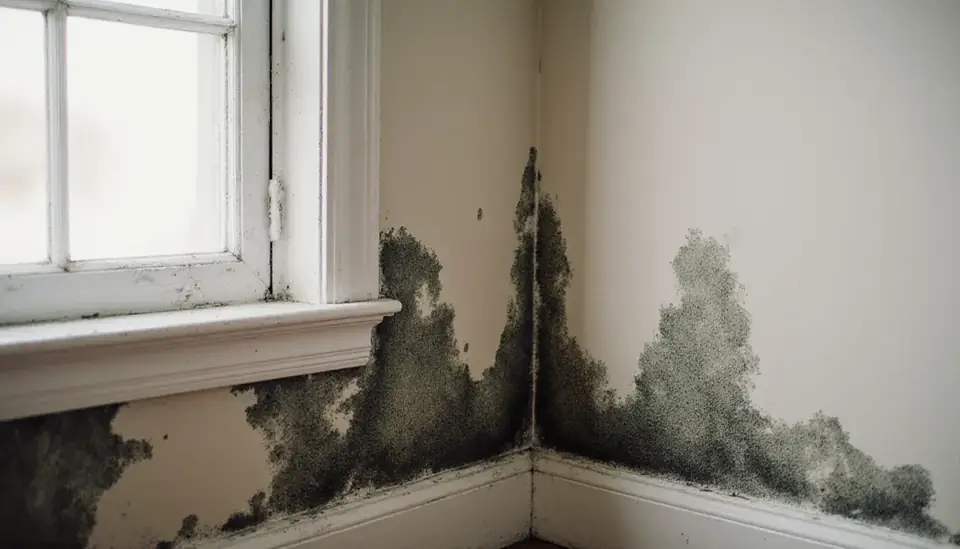
The Back Bay area averages around 67 inches of rain a year and stays humid for most of it. A house closed up during an evacuation with wet floors can develop mold within days. EPA guidance calls for getting wet materials dry inside a 24 to 48 hour window. When you get back, open interior doors and cabinets, remove soaked contents, and get dehumidification running as soon as power allows. If growth is already visible on drywall or framing, mold remediation with containment keeps spores out of rooms that stayed dry.
D'Iberville Neighborhoods and Surrounding Towns
The same line also serves nearby communities such as:
- Biloxi
- Gulfport
- Ocean Springs
- Gulf Hills
- Saucier
- Gulf Park Estates
Frequently Asked Questions
My D'Iberville home is not near the beach. Is flood insurance really worth it?
The city notes a 26 percent chance of experiencing a flood during the life of a 30-year mortgage, and much of the local risk comes from the Tchoutacabouffa River and Cypress Creek rather than the Gulf. Standard homeowners policies exclude flood, and new flood policies usually have a 30-day waiting period, so buying one when a storm is already forecast is too late.
How do I know if the river will reach my street?
Watch the Tchoutacabouffa gauge at Lamey Bridge, the reference point D'Iberville uses. The city lists what happens at each stage, from water leaving the banks at 7 feet to homes below Cypress Creek flooding at 16 feet and widespread flooding at 20. Compare those thresholds with your own address and with past high water, and move valuables up early.
Should I wait for the adjuster before pulling out wet drywall in D'Iberville?
You can take reasonable steps to prevent further damage, such as removing standing water and soaked carpet, but document everything first. Photograph each room, the waterline on the walls and the materials you remove, and keep a small sample of flooring or carpet if possible. In a flood hazard area, larger repairs may need a city permit, so check before rebuilding.