
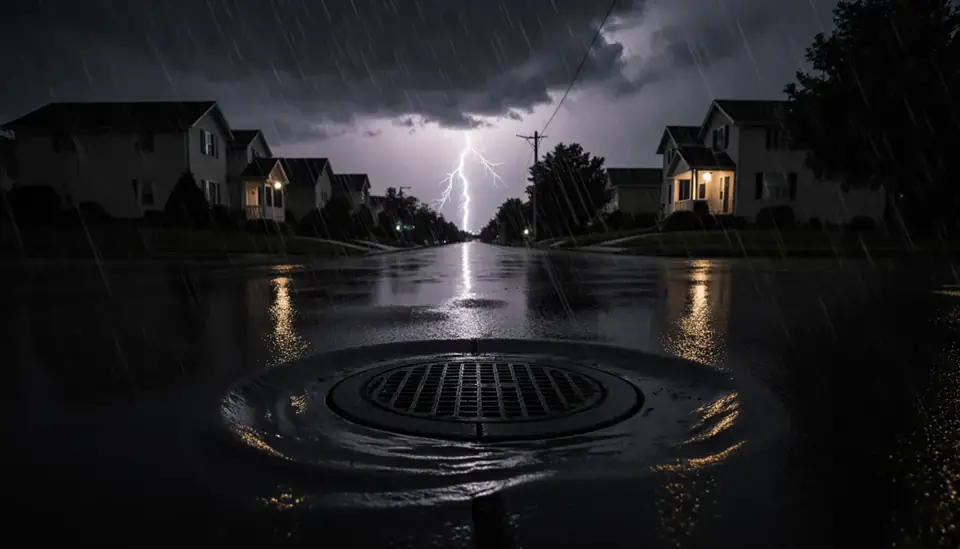
Tippah County takes its name from the Tippah River, which crosses the county from northeast to southwest before joining the Tallahatchie, and the Tallahatchie itself begins here. Ripley, the county seat, is a town of about 5,500 people in the North Mississippi hills, known for its historic center and the First Monday Trade Day held on Highway 15. Most homes around it sit on rural lots where storms, runoff and well-and-septic plumbing shape what water damage looks like.
The Restoration Job is a free referral service and does not have crews of its own. Call (888) 317-9980 at any hour and we'll connect you with an independent provider that serves Ripley and the surrounding part of Tippah County.
How the call works: when you call (888) 317-9980, The Restoration Job connects you with an independent restoration provider that serves Ripley. That provider inspects the damage, explains the scope and quotes the work. The Restoration Job doesn't perform restoration itself. Read our referral disclosure.
December Tornadoes and Spring Outbreaks in Tippah County
On December 23, 2015, an EF4 tornado with peak winds estimated at 170 mph tracked 75 miles across north Mississippi and into Tennessee, according to the National Weather Service in Memphis. It crossed Tippah County, damaged several homes in the Three Forks community and caused one death in the county. More recently, the EF2 tornado of April 5, 2025 ended about a mile southwest of Dumas after a path of more than 40 miles.
Those events are a reminder that severe weather here can come in winter as well as spring. Once a roof or wall is opened, rain does the rest. Storm damage cleanup after a tornado usually starts with tarping and board-up, then moves inside to remove soaked insulation, ceiling drywall and flooring.
Flash Flooding on Ripley Streets and County Roads
During the storms of May 1, 2010, NWS Memphis received reports of flash flooding in Ripley, and an EF1 tornado crossed southern Tippah and northern Union counties the same afternoon. Ripley averages about 57.6 inches of precipitation a year, and intense bursts of rain can overwhelm ditches and culverts in a hurry.
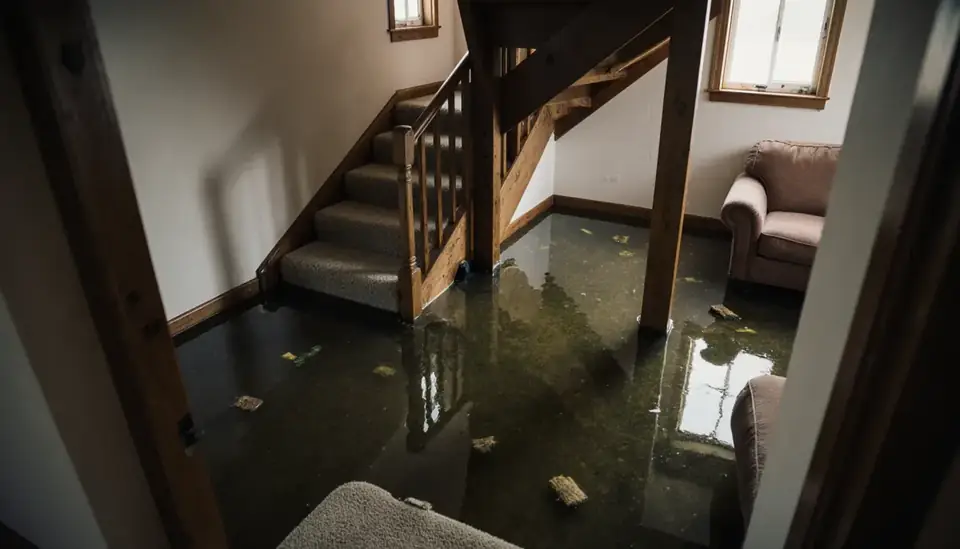
Water that comes into a house from outside carries soil, road runoff and sometimes septic or sewer contamination. Wet carpet, pad and the lower part of drywall usually come out, and surfaces are cleaned before drying. Standard homeowners policies typically do not cover rising water, so check FEMA's flood maps and ask your agent about a separate flood policy.
Rural Homes, Wells and Septic Systems
Tippah County is largely rural, and for homes outside town that run on private wells and septic systems, a few things change after water damage:
- A septic system that backs up during heavy rain sends contaminated water into the house; treat it as a sewage loss.
- Well pumps keep pushing water through a broken line, so know where the pressure tank shutoff is.
- Manufactured homes often have supply lines under the floor in the belly wrap, where leaks go unnoticed.
- Long driveways and distance from town make good photos and notes even more useful when an adjuster cannot come quickly.
For any backup involving wastewater, sewage cleanup procedures with protective gear and disinfection are the safe approach.
Older Buildings in the Ripley Historic District
Central Ripley's historic district is listed on the National Register of Historic Places. Older buildings there and on nearby residential streets tend to have plaster walls, wood floors and roof systems that have been patched many times. Leaks often travel along framing before appearing, so a stain in one room may come from a roof problem several feet away.
Drying plaster and original wood in place, rather than replacing them, is usually possible when the water was clean and work begins promptly. A provider should track moisture readings until the materials return to normal before any repainting or refinishing.
Getting Through the First Days and Limiting Mold
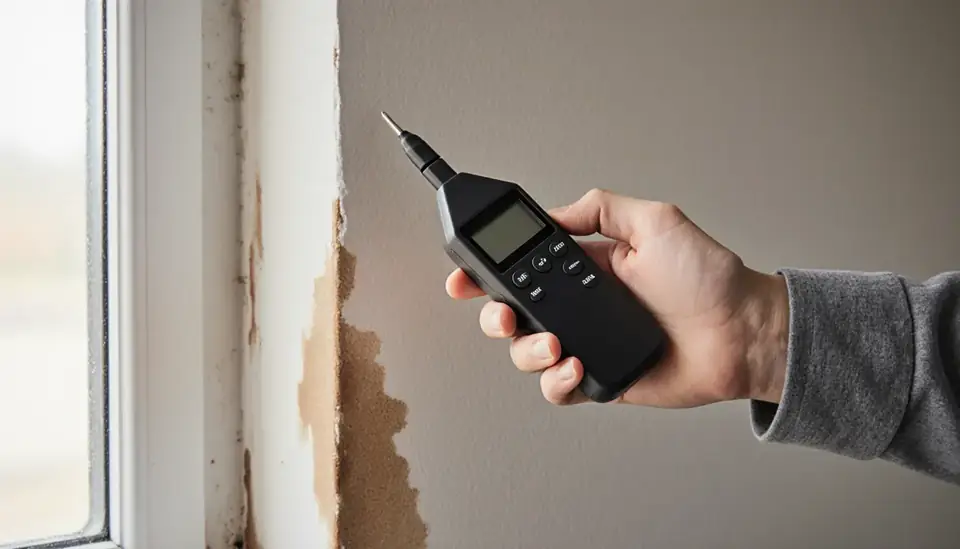
Turn off the water at the main or the well, shut off power to wet rooms if it is safe and take photos of everything. Call your insurer, then get furniture and boxes off wet floors. In the humid months, damp drywall and pad can grow mold in a few days, so do not wait for things to air out on their own.
A restoration provider will extract water, remove what cannot be saved and set dehumidifiers and air movers with daily checks. After a major storm, the Tippah County emergency management office, listed in MEMA's county directory, collects damage reports.
Neighborhoods and Nearby Communities
Calls come in from across Ripley, including:
- Ripley Historic District
The same line also serves nearby communities such as:
- Dumas
- Tiplersville
- Brownfield
- Cotton Plant
- New Albany
- Booneville
Ripley Water Damage Questions
My septic backed up into the house during heavy rain. Is it safe to clean myself?
Septic backup is sewage and carries bacteria and other pathogens. Keep children and pets away, avoid contact with the water and do not run fixtures that drain to the system. Porous materials it touched, such as carpet and lower drywall, generally need to be removed. A provider with protective gear and disinfectants is the safer route, and a septic contractor should inspect the system.
Who documents tornado damage in Tippah County?
The National Weather Service in Memphis surveys tornado tracks and assigns ratings. Damage to homes and property is reported to the Tippah County emergency management office, whose contact is in the Mississippi Emergency Management Agency's county directory. Your insurance claim is separate, so file it as well and keep photos of the damage before cleanup.
How do I find a leak under a manufactured home?
Signs include a sagging belly wrap, a soft spot in the floor, a musty smell, or water pooling under the home. Shut off the water and look for wet insulation where supply lines run. Opening the belly wrap lets a plumber reach the line and lets wet insulation be removed so the floor can dry.
Does Ripley flood from the Tippah River?
The Tippah River crosses the county, but the most common water problems for Ripley homes are flash flooding from intense rain, roof leaks after storms and plumbing failures. To see whether a specific property is mapped in a flood zone, enter the address on FEMA's Flood Map Service Center.