
Belen grew around two very different centers. Plaza Vieja, the old town, was in place by the 1790s, decades after colonists settled Nuestra Señora de Belén in 1740. Then the railroad arrived in 1880, the Belen Cutoff opened in 1907, and a grid of streets anchored by Becker and Dalies avenues became the downtown of the Hub City. That history matters when water gets into a building here: a century-old commercial block, an adobe home near the plaza and a newer house on the edge of town each soak up and give back water in different ways.
Our line is free to use and staffed around the clock. Call (888) 317-9980 any time and we'll connect you with an independent restoration provider that works in Belen and the surrounding part of Valencia County. We don't send crews ourselves, and we can't promise a particular arrival time, but providers in the area often take emergency calls for flooding, burst pipes and storm leaks.
How the call works: when you call (888) 317-9980, The Restoration Job connects you with an independent restoration provider that serves Belen. That provider inspects the damage, explains the scope and quotes the work. The Restoration Job doesn't perform restoration itself. Read our referral disclosure.
A Dry Town That Floods in Bursts
Belen averages only about 7.6 inches of precipitation a year, less than the roughly 9.2 inches recorded up the valley in Los Lunas. That low number is misleading. Most of the rain arrives between mid-June and late September as monsoon thunderstorms, and the National Weather Service lists flash flooding among the season's chief hazards. When an inch of rain falls in a short storm on hard, dry ground, very little soaks in. Runoff collects in streets and low lots, then looks for the nearest open door or foundation gap.
Valencia County has appeared in federal disaster and emergency declarations for storm flooding in 1973, 2006 and 2025. None of those were Belen-only events, but they show that the whole county sees damaging water from time to time, not just the mountain towns.
Older Downtown Buildings and the Rail District
Commercial buildings along Becker and Dalies avenues and near the BNSF yard tend to share walls, roof drains and sometimes basements or crawl spaces. A leak in one building can show up next door, so the first step is often working out where the water is actually coming from. Landlords, tenants and owners each have different responsibilities, and a written timeline of what happened helps sort that out with insurers.
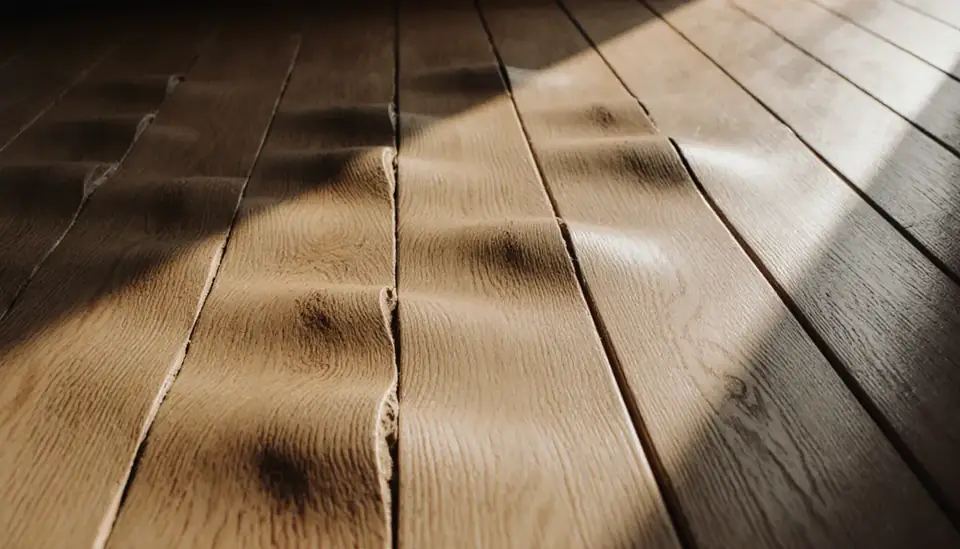
Older masonry and plaster hold water longer than modern drywall and can be damaged by aggressive demolition. A provider working on a historic structure should be willing to dry materials in place where that is practical, and to document moisture readings before anything is torn out. In the old neighborhoods around Plaza Vieja, adobe walls need particular care, because soaked mud brick can lose strength and should be dried slowly rather than blasted with heat.

The River Side of Town
Belen lies on the west bank of the Rio Grande, and the bosque along the river is close to the city, with Willie M. Chavez State Park right on the water along Highway 309. Floods once destroyed whole villages in this part of the valley; a territorial official writing in 1853 described nearby Tomé, across the river, as plagued by flooding. The Middle Rio Grande Conservancy District, which still runs a Belen Division, built levees and drains starting in the 1930s, and Cochiti Dam upstream has controlled flood flows since the 1970s. River flooding is far less common now, but homes near the bosque and the drains still deal with damp soil and slow drying.
Look up your address on FEMA's flood map before assuming you are in a low-risk zone, and remember that flood damage generally needs its own policy.
Belen Leak or Flood: Your First Few Hours
- Shut off water at the main or the fixture, and cut power to any room where water has reached outlets or cords.
- Photograph everything before moving it, including the water line on walls.
- Move rugs, furniture and boxes off wet floors.
- Call your insurer to open a claim, then call (888) 317-9980 to be connected with a provider for flood cleanup or drying.
- Keep children and pets away from storm water, which can carry sewage and debris.
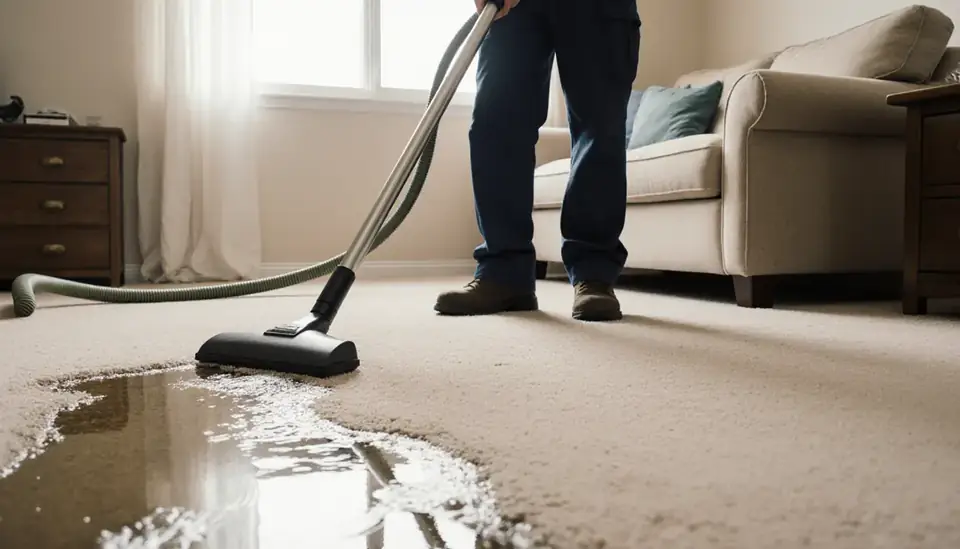
A crew will typically extract standing water, remove soaked materials that can't be saved, and set up dehumidifiers and fans. Drying times vary with the building; plaster, adobe and slabs take longer than framed walls.
Swamp Coolers, Monsoon Humidity and Mold
Belen's dry air helps exposed surfaces dry quickly, yet mold still turns up after leaks, especially inside closed walls and under flooring. Evaporative coolers add moisture indoors, and in July and August the outdoor air is humid too. A ceiling stain under a cooler, a musty closet or a warped baseboard are signs worth checking. Where growth is found, mold remediation should start by stopping the moisture source; otherwise the problem comes back.
Areas In and Around Belen
Calls come in from across Belen, including:
- Plaza Vieja (Old Town)
- Downtown (Becker and Dalies avenues)
The same line also serves nearby communities such as:
Common Questions
Is Belen in a flood zone?
Flood zone status in Belen varies from one parcel to the next, and being far from the river does not by itself put a property outside a mapped zone. The only reliable answer is to enter your address in FEMA's Flood Map Service Center, or ask the City of Belen planning office, which publishes GIS maps. A lender may also require flood insurance if a building sits in a mapped zone.
My business shares a wall with the building that leaked. Who pays?
That depends on the cause and on leases and policies, which is why documentation matters. Photograph the damage, note the time you found it, and notify your landlord or neighbor and your insurer in writing. A restoration provider can record moisture readings showing how far water spread. Insurers and owners then use those records to decide responsibility.
Can wet adobe walls be saved?
Often, yes, if the water is removed quickly and the wall dries gradually. Adobe softens when saturated, so avoid leaning heavy items against it, and don't use high heat to rush it. Plaster or stucco may need to be opened at the base so moisture can escape. A provider experienced with older construction can advise on what to keep and what to cut out.