

Pecos is a village of about 1,400 people built along the Pecos River, just where it leaves the Santa Fe National Forest and the canyon country below the Pecos Wilderness. At close to 7,000 feet, it gets snow from November into March, sharp spring swings between warm days and snow squalls, and a summer monsoon that the National Park Service at nearby Pecos National Historical Park describes as unpredictable and sometimes dangerous. Homes here contend with frozen plumbing in winter and fast runoff in summer, with the river as a constant neighbor.
The Restoration Job connects callers with independent, third-party restoration providers that serve the Pecos area. Our phone line, (888) 317-9980, is free and staffed 24/7. We are a referral service, not a contractor, so the provider you reach handles the inspection, estimate and work on its own schedule; many often offer emergency service.
How the call works: when you call (888) 317-9980, The Restoration Job connects you with an independent restoration provider that serves Pecos. That provider inspects the damage, explains the scope and quotes the work. The Restoration Job doesn't perform restoration itself. Read our referral disclosure.
Living Along the Upper Pecos River
The Pecos River rises above 12,000 feet in the Sangre de Cristo Mountains north of the village, and the stretch from its headwaters down to Tererro is a designated Wild and Scenic River. Water from that high country passes the village on its way south. Snowmelt and summer storms both raise the river, and smaller arroyos and side drainages carry runoff from the surrounding slopes toward it.
Homes close to the river, near low spots along roads or at the foot of a slope are the ones most likely to take water. Look up your property on the FEMA flood map, keep culverts and ditches near your driveway clear, and make sure the ground slopes away from your foundation on every side. Remember that standard homeowners insurance generally does not cover water that comes in from outside; that requires a separate flood policy.
Monsoon Season at Seven Thousand Feet
The National Park Service notes that most of the year's precipitation at the park falls during the monsoon months, averaging roughly 9 inches of rain. The National Weather Service in Albuquerque generally places the monsoon from mid-June to late September. Storms can form quickly over the mountains, bringing heavy rain, hail and gusty wind in a short window, then clear just as fast.
That pattern produces familiar damage: water forced under doors by runoff, roof leaks after hail cracks shingles or punctures a membrane, gutters that overflow against a wall, and swamp coolers that leak once their pans or lines fail. A provider doing storm damage cleanup will generally cover the roof opening first, then extract water and start drying.
The 2022 Calf Canyon/Hermits Peak Fire damaged land and homes across parts of San Miguel and Mora counties, and the Santa Fe National Forest still lists closures and recovery work tied to it. Burned slopes anywhere in a watershed can shed water much faster than forest, so pay attention to flash flood warnings.

Frozen Lines, Snow and Spring Swings
Winter nights around Pecos regularly fall into the teens, and spring can bring a 70-degree afternoon followed by snow the next day. Repeated freezing and thawing stresses pipes in exterior walls, crawl spaces and unheated outbuildings, and it opens gaps in roof flashing that let meltwater in. Cabins and second homes in and around the canyon are especially vulnerable when no one is there to notice a break.
- Keep the heat on and cabinet doors open under sinks on exterior walls during cold snaps.
- Shut off and drain water to a house that will sit empty.
- After a hard freeze, check the crawl space and around the water heater for fresh drips.
From Wet Floors to Finished Water Damage Repair
Restoration usually happens in two stages. First comes mitigation: stopping the source, extracting water, removing materials that cannot be saved and drying the structure with dehumidifiers and air movers until moisture readings are back to normal. Then comes water damage repair, the rebuilding of drywall, flooring, cabinets and trim. Some providers handle both; others hand off the rebuild to a contractor. Ask at the start, and keep photos, moisture logs and receipts together for your insurance claim.
Riverside Crawl Spaces and Hidden Mold
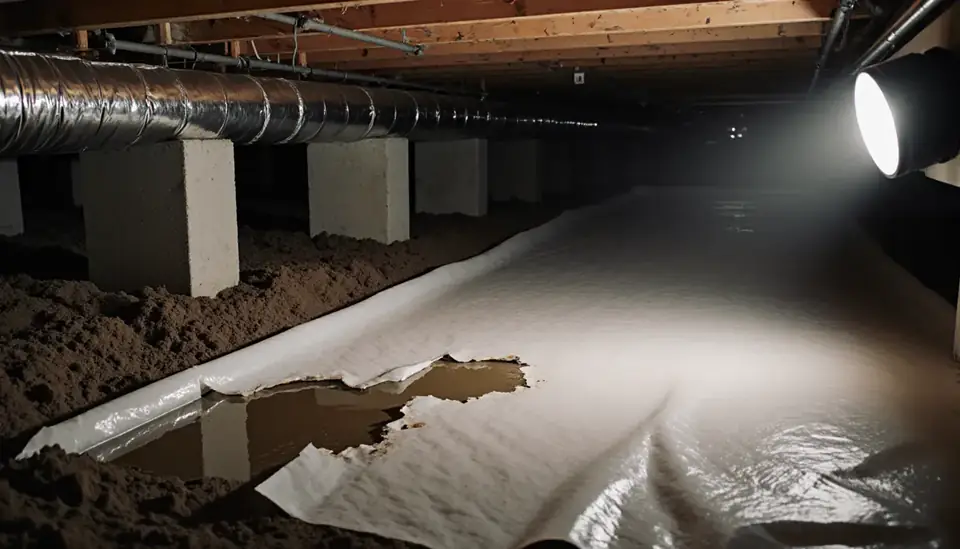
Pecos's thin, dry air helps surfaces dry, but crawl spaces near the river and walls soaked by a storm can stay damp far longer than the rooms around them. A musty smell, cupping floorboards or staining at the base of walls are signs that moisture is hanging around. Mold remediation generally means containing the affected area, removing damaged porous materials, cleaning remaining surfaces and verifying dryness before repairs begin.
Where Callers in the Pecos Area Are
The same line also serves nearby communities such as:
Frequently Asked Questions
Does Pecos flood from the river?
The village is built along the Pecos River, which is fed by snowmelt and summer storms in the mountains to the north, so lower-lying properties near the channel carry more risk. Risk varies a great deal from lot to lot. Search your address on the FEMA Flood Map Service Center and talk with your insurance agent about flood coverage, which standard homeowners policies generally exclude.
My cabin up the canyon had a frozen pipe burst. What now?
Turn off the water at the main or the pump, and cut power to wet areas if it is safe. Photograph the damage before moving anything, then notify your insurer. Because cabins are often vacant for weeks, water may have reached subfloors and wall cavities, so ask a restoration provider to check moisture beyond the visible wet spots.
How do I know if storm water damaged my roof?
Look for new ceiling stains, peeling paint near the top of walls, or drips around light fixtures and swamp cooler vents after a monsoon storm. Hail can crack shingles or puncture flat roof membranes without obvious signs from the ground. A roofer can inspect the surface, and a restoration provider can measure moisture in the ceiling and insulation below.