
Silver City's downtown has a 55-foot-deep reminder of what moving water can do. On July 21, 1895, a wall of water tore through the business district and carved what had been Main Street into a ditch about 55 feet below the original grade. Merchants turned their storefronts around to face Bullard Street, and the channel, now known as the Big Ditch, still runs behind them. The town sits at about 5,919 feet in the valley of San Vicente Arroyo, at the foot of the Pinos Altos Range and three miles east of the Continental Divide, so storm water from the slopes above has always funneled through it.
The Restoration Job offers a free 24/7 referral line at (888) 317-9980 for Silver City and the surrounding Grant County communities. We connect callers with independent restoration providers that serve the area; we do not perform repairs, and each provider sets its own schedule, though many often offer emergency service.
How the call works: when you call (888) 317-9980, The Restoration Job connects you with an independent restoration provider that serves Silver City. That provider inspects the damage, explains the scope and quotes the work. The Restoration Job doesn't perform restoration itself. Read our referral disclosure.
San Vicente Arroyo and Monsoon Street Flooding
Silver City is wetter than the desert towns to the south, averaging about 16 inches of precipitation a year, and much of it falls between July and September. Storms over the mountains send runoff down into the arroyo and through the streets. During the record-setting 2006 monsoon, the National Weather Service in El Paso reported more than 3 inches of rain over parts of Silver City, with major street flooding, road closures and rescues of people trapped by floodwater.
For homes, that kind of storm usually means water entering at the lowest door or through a basement or crawl-space vent, and mud left behind when it recedes. Never drive into a flooded street or wade through moving water; arroyo flows can be stronger and deeper than they look.
Brick, Cast Iron and Historic Interiors Downtown
The Silver City Historic District, roughly bounded by Black, College, Hudson and Spring streets, was listed on the National Register in 1978. Its commercial buildings are mostly two-story brick with cast-iron storefronts along Broadway and Bullard Street, and its houses include brick homes in Second Empire and other period styles. Brick was the local material of choice.
Water in an older masonry building needs a measured approach:
- Old brick and lime mortar should dry gradually; intense heat can damage soft brick faces.
- Original plaster, wood trim and floors are often worth drying in place rather than replacing.
- Basements and lower levels near the Big Ditch side deserve a careful moisture check after heavy storms.
Ask any provider how it plans to protect historic finishes before demolition starts.

Snow, Ice and Frozen Lines at Nearly 6,000 Feet
Elevation brings real winter. Silver City averages around 10 inches of snow a year, and cold nights are routine from late fall into spring. Pipes in exterior walls, under raised floors and in unheated additions can freeze and split, and the leak often shows up only once the line thaws. Snow piled against walls and ice at roof edges can also push water under shingles or through flashing.
Close the main shutoff as soon as a burst is found, open faucets to drain the system, and move belongings away from the wet area. Prompt water damage restoration focuses on extracting water, removing materials that wicked it up, and drying the framing and subfloor with monitored equipment.
What to Expect When a Provider Arrives
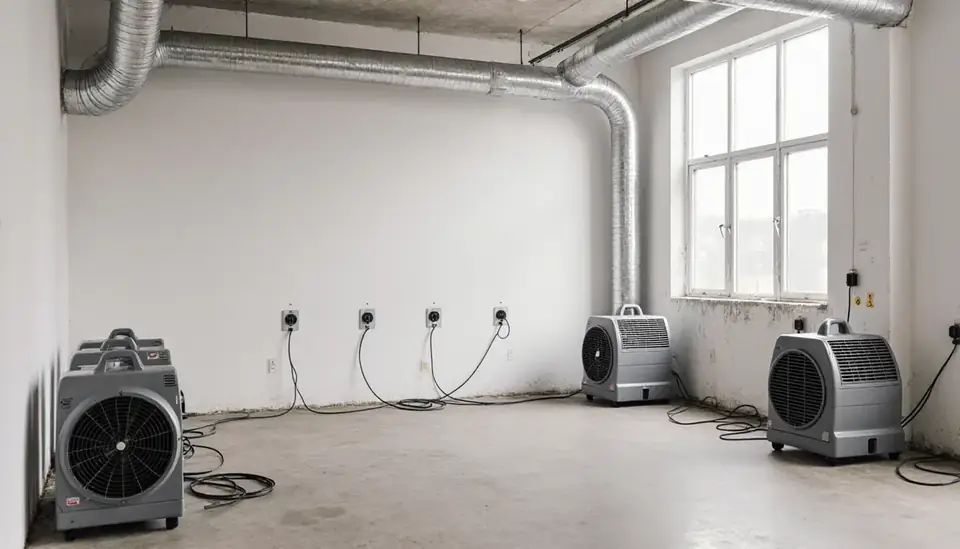
A restoration crew will usually begin by finding where water came from and how far it traveled, using moisture meters and sometimes thermal imaging. Next comes extraction, removal of soaked carpet, pad and drywall that cannot be saved, cleaning, and placement of air movers and dehumidifiers. Floodwater from the street is treated as contaminated, so more porous material is removed than with a clean supply-line leak. For storm-related roof or window damage, ask about storm damage cleanup and temporary protection.
Keep photographs and a list of damaged items. FloodSmart notes that most homeowners insurance does not cover flood damage, which requires a separate policy, while sudden pipe bursts are often handled under homeowners coverage.
Mold in Mountain-Town Houses
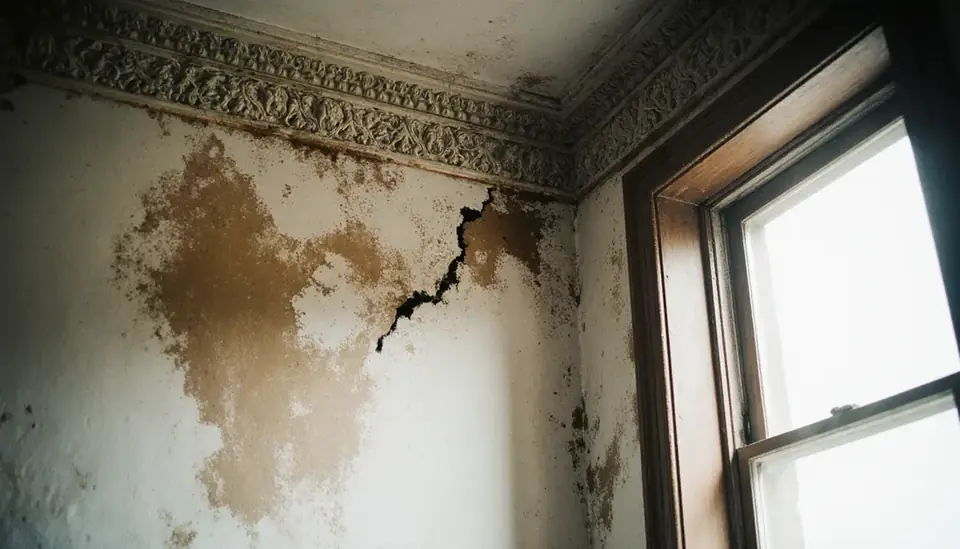
Silver City's extra rainfall, cool basements and older homes with limited ventilation give mold more chances than in the lower desert. After any leak, watch for musty odors in closets, staining at the base of walls and condensation in crawl spaces. Prompt drying within the first day or two is the main defense. Where growth has already started, removing the affected materials and correcting the moisture problem works better than painting over it.
Areas In and Around Silver City
Calls come in from across Silver City, including:
- Silver City Historic District
- Big Ditch
- Western New Mexico University area
The same line also serves nearby communities such as:
- Arenas Valley
- Bayard
- Hurley
- Pinos Altos
- Tyrone
- Deming
Questions From Silver City Property Owners
Is my Silver City home near the Big Ditch at higher flood risk?
Properties close to San Vicente Arroyo and the Big Ditch channel are nearer the path storm runoff follows through town, so it is worth checking. Search your address on FEMA's Flood Map Service Center to see whether it sits in a mapped flood hazard area. Even outside a mapped zone, street runoff during heavy monsoon storms can reach low entries and basements.
Can water-damaged historic brick or plaster be saved?
Often, yes. Masonry and lime plaster tolerate water better than drywall if they are dried slowly and not sealed while damp. The bigger risk is aggressive demolition or fast heat drying that cracks finishes. Tell the provider about the age and materials of the building at the start, and ask what it plans to remove and why.
Does the referral line cover Bayard, Hurley and Arenas Valley?
Yes. Calls from across Grant County are welcome, including Bayard, Hurley, Arenas Valley, Pinos Altos and Tyrone. The line at (888) 317-9980 connects you with an independent provider that serves your location. In more remote parts of the county, travel times are longer and availability depends on the provider.