
University Park is almost the same thing as the New Mexico State University campus. The census-designated place covers nearly all the land bounded by University Avenue, Interstate 10 and Interstate 25, surrounded on every side by Las Cruces, and its roughly 3,000 residents have a median age just under 21. Of 742 housing units counted in 2020, close to two-thirds were listed as vacant, a reflection of how student housing empties and fills with the academic calendar.
The Restoration Job is a free referral service with a line open 24/7 at (888) 317-9980. Renters, landlords and homeowners in and around University Park can be connected with independent restoration providers that work in the Las Cruces area. We do not do the work ourselves; providers set their own schedules, and many often offer emergency service.
How the call works: when you call (888) 317-9980, The Restoration Job connects you with an independent restoration provider that serves University Park. That provider inspects the damage, explains the scope and quotes the work. The Restoration Job doesn't perform restoration itself. Read our referral disclosure.
Empty Units Over Breaks Hide Leaks the Longest
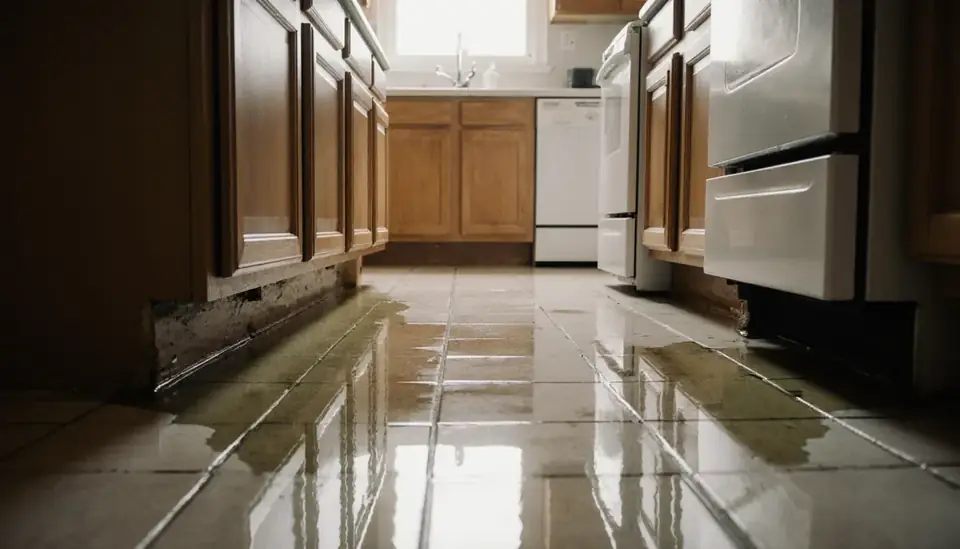
A leak that starts the day after students leave for winter or summer break can run for weeks before anyone sees it. Toilet supply lines, washing machine hoses, water heaters and ice maker lines are frequent sources, and in a vacant unit the water has time to spread under flooring, into neighboring units and down through ceilings. By the time it is found, drywall, cabinets and subfloors are often saturated.
Before leaving for a break, tenants and owners can reduce the risk:
- Shut off water to washers and, where practical, the whole unit.
- Set the thermostat to a safe level rather than turning heat off in winter.
- Ask someone to check the unit once a week.
- Report drips and running toilets before leaving, not after returning.
Who Handles What in a Rental
With so many residents renting, water damage often involves more than one party. In general, the landlord or property manager is responsible for the building and its fixtures, while a tenant's own renters policy, if they have one, covers personal belongings. Notify the landlord in writing as soon as you find water, take photos, and move your belongings out of the wet area. Landlords should arrange water extraction and drying quickly, since delays often turn a simple leak into a mold and flooring problem in more than one unit.
Monsoon Storms Over Tortugas Mountain and the Campus
Tortugas Mountain, with the white "A" students painted in 1920, rises about three miles east of the campus, and monsoon storms that build over the mesa can drop heavy rain in a short time. Parking lots, roofs and paved areas around campus shed water quickly into streets and low spots. The National Weather Service office in Santa Teresa tracks the monsoon from June 15 through September 30; its records show 2006 as the wettest season at El Paso, when regional flood damage reached about $450 million.
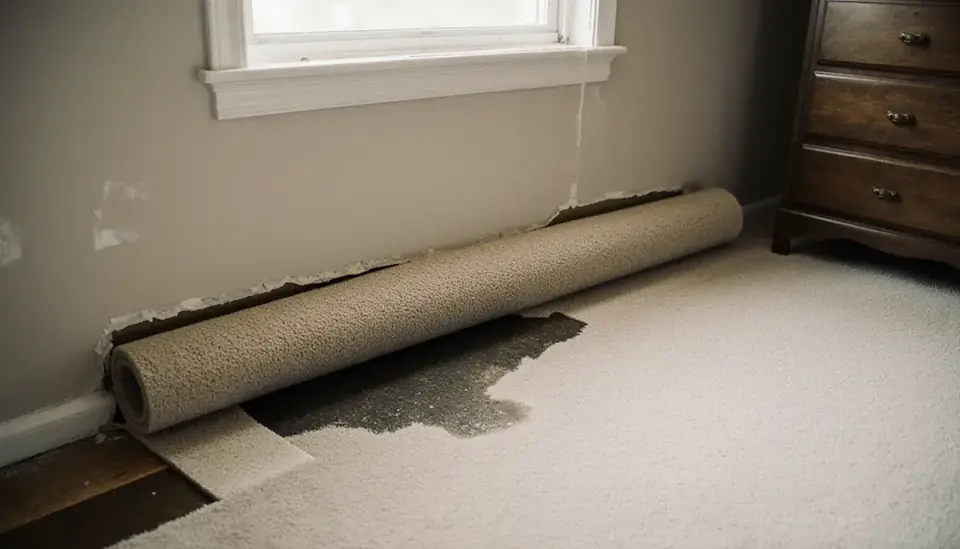
Flat and low-slope roofs on older buildings, clogged gutters and window wells are the usual entry points for storm water. If water came in from outside at ground level, treat it as dirty and expect porous materials it touched to be removed rather than dried.
An Older Campus Core and Its Buildings
NMSU was founded in 1888 as Las Cruces College, and its original master plan still centers on the Horseshoe. Branson Hall Library dates to 1951. Older buildings and the homes near campus may have aging supply lines, cast-iron drains and plaster or block walls that respond to water differently than new construction. Drying such walls takes patience and moisture testing, and structural drying should continue until readings, not appearance, show the job is finished.
Mold in Shared and Closed-Up Spaces
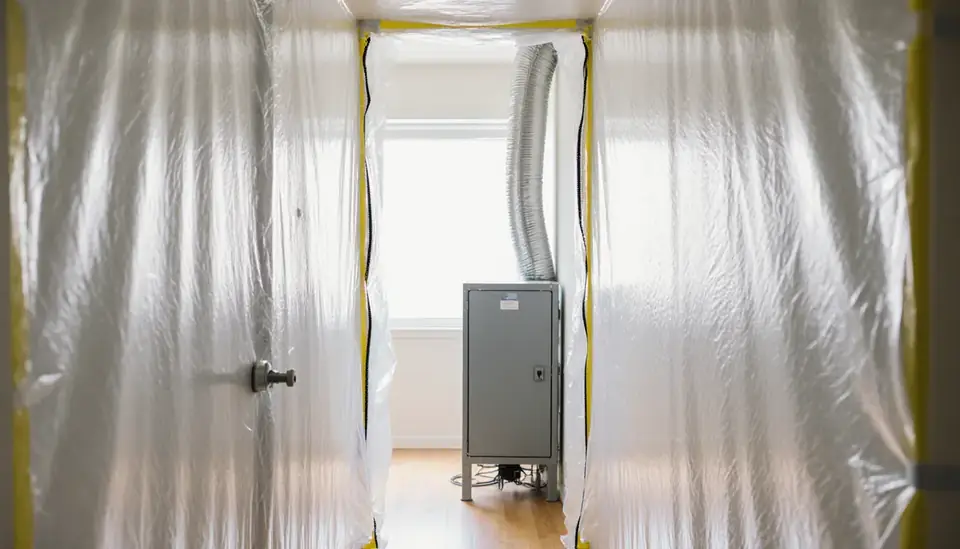
Apartments closed up for a long break, bathrooms without working exhaust fans and closets against damp walls are classic spots for mold, even in a dry climate. Monsoon humidity adds to the risk in late summer. If you smell mustiness or see spotting after a leak, tell the landlord and avoid simply painting over it. Removing wet material and drying the wall cavity is what stops regrowth, and larger areas may call for mold remediation with containment.
Areas In and Around University Park
Calls come in from across University Park, including:
- New Mexico State University campus
- The Horseshoe
The same line also serves nearby communities such as:
- Las Cruces
- Tortugas
- Mesilla
- Fairacres
- Organ
Common Questions
I rent near NMSU and my apartment flooded. What should I do first?
Stop the water if you can, usually at the fixture valve or the unit's main shutoff, and tell your landlord or property manager right away in writing. Photograph the damage and move your belongings to a dry spot. Your landlord typically arranges repairs to the building, while a renters policy, if you have one, may cover your personal items.
Can a landlord use the referral line for a student rental?
Yes. Property owners and managers can call (888) 317-9980 at any hour to be connected with an independent restoration provider serving University Park and Las Cruces. Mention whether the unit is occupied, how long the water may have been running, and whether neighboring units are affected, since that changes the scope of the job.
How long does drying usually take after a leak in an apartment?
It depends on how long the water ran, what materials it reached and whether it spread to other units. A small, quickly caught leak may dry in a few days with dehumidifiers and air movers. A leak found after a long break, with soaked subfloors or several units involved, can take longer and need materials removed. Daily moisture readings show when drying is complete.