
Two rivers frame Belmont. The Catawba runs along one side of town and the South Fork Catawba along the other, and both widen into arms of Lake Wylie, leaving the city on a peninsula about midway between Gastonia and Charlotte. Inland from the water sit a National Register downtown with buildings dating back as far as 1850, streets of houses that grew up around nearly twenty textile mills, and the grounds of Belmont Abbey. Waterfront living and old building stock both shape what water damage looks like here.
The Restoration Job connects callers with independent restoration providers for free. Reach the line at (888) 317-9980 at any hour, and we will put you in touch with a company that serves Belmont and the eastern edge of Gaston County. That company quotes and schedules the job on its own terms, and many offer emergency response.
How the call works: when you call (888) 317-9980, The Restoration Job connects you with an independent restoration provider that serves Belmont. That provider inspects the damage, explains the scope and quotes the work. The Restoration Job doesn't perform restoration itself. Read our referral disclosure.
Living on the Lake Wylie Peninsula
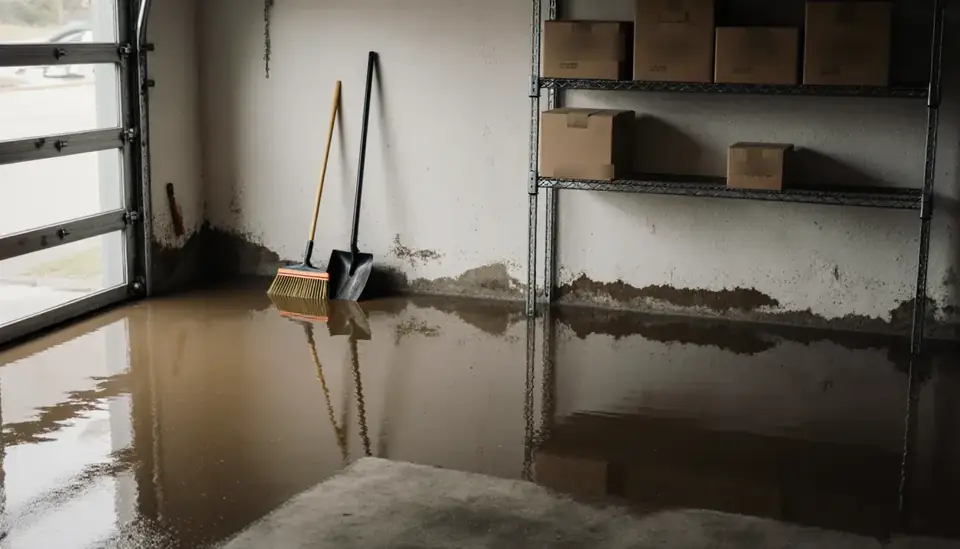
Lake Wylie is a managed reservoir, first impounded in 1904 and enlarged in 1925, with about 325 miles of shoreline across Gaston, Mecklenburg and York counties. Its level is set by dam operations rather than left to rise and fall freely, but heavy rain upstream still sends a lot of water down both the Catawba and the South Fork past Belmont. Lots that slope toward a cove collect runoff from the street side, and lower levels, walkout basements and garages facing the water are where it tends to end up.
Waterfront properties should be checked on the state Flood Risk Information System before you assume you are outside a flood zone. Remember that standard homeowners policies generally exclude surface flooding, so rising water from a lake or creek needs separate flood coverage.
Mill-Era Homes and the Downtown Historic District
The Downtown Belmont Historic District takes in 264 buildings constructed between 1850 and 1949, and the nearby mill neighborhoods add many more homes of similar age. Older houses like these often sit on brick piers or shallow crawl spaces, carry several generations of plumbing repairs and have roofs that leak first at chimneys and valleys. Commercial buildings downtown share walls, so a burst line upstairs or next door can show up in more than one storefront.
For these structures, water damage repair should begin with a moisture survey rather than demolition. Plaster and old-growth wood floors can often be dried in place; insulation, carpet pad and contaminated materials generally cannot.

Storm Season Between Two Rivers
The Gastonia area averages about 44 inches of precipitation a year, mostly as rain. Summer thunderstorms, winter ice and the remnants of tropical systems are the events most likely to bring down trees on a heavily wooded peninsula like this one. A limb through a roof can soak an attic and ceiling in a single afternoon, and an outage can knock out a sump pump in a lower level at exactly the wrong time.
After a storm, get roof openings covered, photograph everything, and keep receipts. Storm damage cleanup typically starts with tarping and tree removal so interior drying can proceed. Gaston County's Alert Gaston system and the National Weather Service in Greenville-Spartanburg are the main sources of warnings here.
Steps That Help in the First Day
- Stop the source: close the main shutoff or the valve at the fixture.
- Cut power to flooded lower levels from the panel if it is safe to reach.
- Move furniture, rugs and stored items out of wet areas and onto dry ground.
- Photograph water lines on walls and record which rooms were affected.
- Call your insurer to open a claim, and ask whether the cause counts as a sudden leak or as flooding.
When water came in from the lake, a creek or a sewer backup, treat it as contaminated. Porous materials it touched are usually removed and the structure cleaned before drying.

Humidity, Shaded Lots and Mold
Humid summers, tree cover and lake air keep moisture high around many Belmont homes, and crawl spaces near the water can stay damp even without a leak. Once water gets into framing or drywall, mold can follow within days. Look for musty odors, dark spotting on joists and swollen trim. Fast drying is the main defense. Where growth is established, mold remediation removes affected materials under containment so spores are not spread through the house.
Belmont Neighborhoods and Surrounding Towns
Calls come in from across Belmont, including:
- Downtown Belmont
- Belmont Abbey
The same line also serves nearby communities such as:
Frequently Asked Questions
Does Lake Wylie flood Belmont homes?
The lake level is controlled by dam operations, so it does not rise the way an open river does, but heavy rain upstream on the Catawba and South Fork can still push water higher than usual, and coves collect runoff from surrounding streets. Lower levels and garages facing the water are most exposed. Check the property on the state flood maps and consider separate flood coverage.
Who handles water damage in a shared-wall building downtown?
Responsibility usually follows the source. If the leak started in a neighboring unit or upstairs tenant space, that owner's insurance may be involved, but you should still report damage to your own carrier quickly and start drying. Document where the water entered and when. Lease terms and any association rules also affect who pays for what.
How fast does mold start in a Belmont crawl space after a leak?
In warm, humid weather, mold can begin growing on damp wood and insulation within a few days. That is why getting standing water out and drying the framing quickly matters more than anything else. If a crawl space has been wet for a week or longer, expect a provider to check for growth before closing up repairs.