
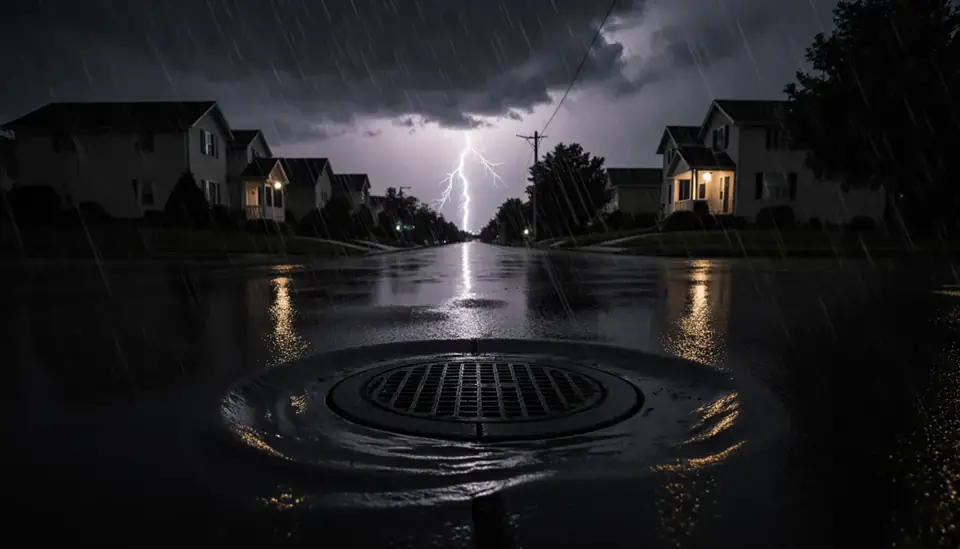
Shelby sits where the western Piedmont starts climbing toward the foothills. The South Mountains rise in the northwest corner of Cleveland County, the First Broad River runs south past Lawndale and the west side of town, and the city averages a bit over 50 inches of precipitation a year, several inches more than Statesville or Salisbury see in a typical year. That combination of mountain-fed streams, frequent heavy rain and a large stock of older homes shapes the water problems people deal with here.
The Restoration Job is a free phone referral line for Cleveland County callers: dial (888) 317-9980 at any hour and we will connect you with an independent restoration provider that works in Shelby and across Cleveland County. Providers set their own schedules and rates, and many handle emergency work.
How the call works: when you call (888) 317-9980, The Restoration Job connects you with an independent restoration provider that serves Shelby. That provider inspects the damage, explains the scope and quotes the work. The Restoration Job doesn't perform restoration itself. Read our referral disclosure.
Foothill Storms and the First Broad River
The First Broad River rises on South Mountain in Rutherford County and flows about 60 miles before joining the Broad River in southern Cleveland County. Storms that stall over the foothills can send that water downstream quickly, along with the smaller creeks that drain the city. Hurricane Helene's remnants in September 2024 were deadly here; two people died in Cleveland County, and at least a dozen were evacuated.
Most homes in Shelby are not near the river, so storm damage usually means wind and rain rather than rising water: limbs through roofs, shingles lifted at the edges and water running into attics and ceilings. Quick storm damage cleanup covers tree and debris removal, tarping or boarding openings and removing wet insulation and drywall so the structure can dry.
Minus 11 Degrees in 1966: Planning for Frozen Pipes
Shelby's record low is minus 11 degrees, set on January 31, 1966. Cold that severe is rare, but the area averages around four inches of snow a year, and a few nights in the teens are enough to split pipes in crawl spaces, exterior walls and unheated garages. The damage usually shows up when the pipe thaws and water runs freely, sometimes while a family is away.
- Insulate crawl-space and attic pipes and close foundation vents during hard freezes if your house has them.
- Let faucets on outside walls drip on the coldest nights.
- If you will be away, set the heat no lower than the mid-50s or shut off the main.
- Learn where the main shutoff is before you need it.
A burst line can put a lot of water into a house in an hour, so prompt water extraction is what keeps the damage from reaching additional rooms and the floor framing.
Central Shelby, East Marion-Belvedere Park and West Warren Street
The city has several historic districts, including Central Shelby, East Marion-Belvedere Park and West Warren Street, along with the brick commercial buildings of Uptown Shelby. Older houses there typically have plaster walls, hardwood floors and long plumbing runs with fittings from different decades. Older commercial buildings add flat roofs, internal roof drains and shared walls, where a leak in one storefront can travel to the next.
In these buildings, the order of work matters. Find and stop the source, map moisture with meters and thermal imaging, and dry materials in place where possible. Original plaster and flooring can often be saved when the water was clean and drying starts quickly.
Wet Floors, Humid Air and Mold Growth
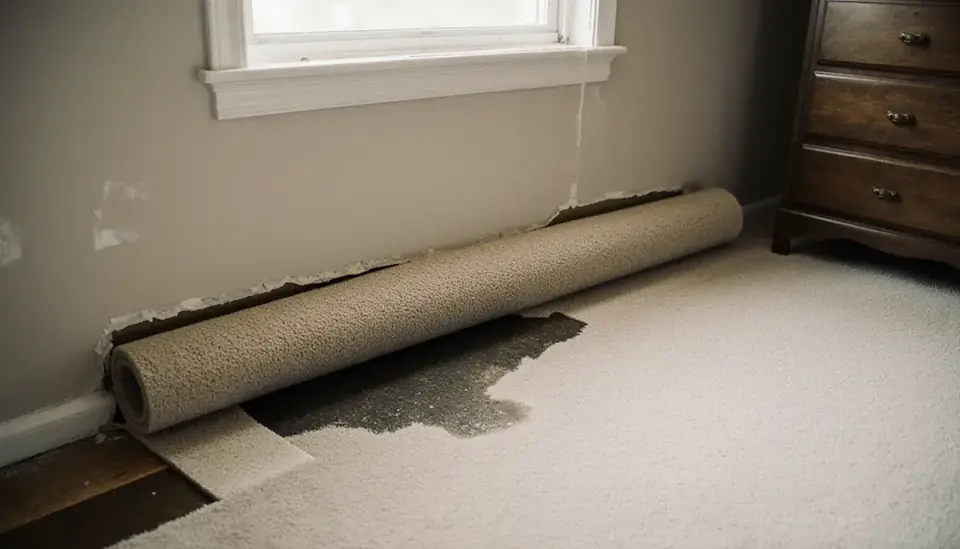
Cleveland County has long, humid summers. After a leak or storm, carpet pad, drywall and crawl-space insulation that stay wet can grow mold within a couple of days, and growth often starts out of sight under floors or behind baseboards. A persistent musty smell is usually the first clue.
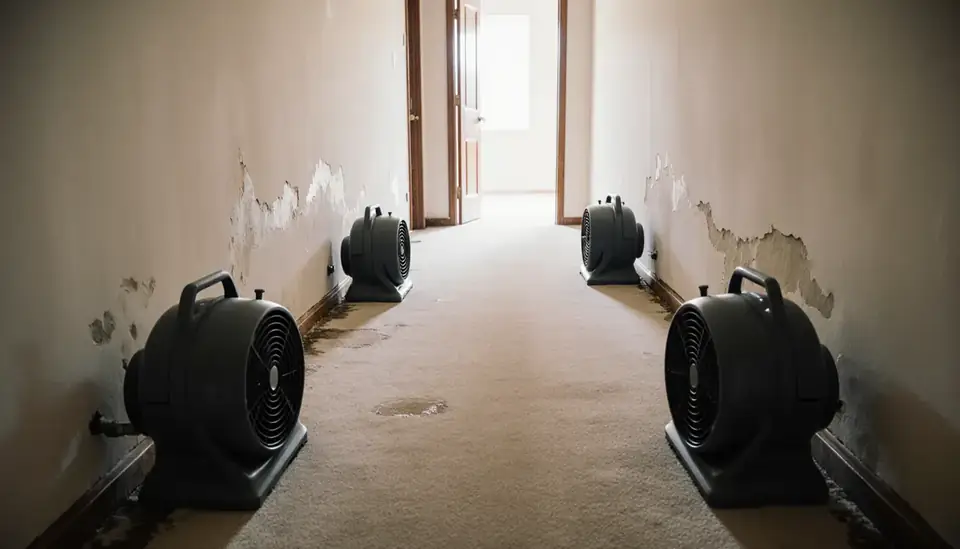
Surface cleaning is fine for a small spot on tile or a window frame. Larger problems call for mold remediation, which involves containing the work area, removing affected porous materials, cleaning the structure and drying it with dehumidifiers until moisture levels are normal. Without fixing the water source, growth comes back.
Insurance, Flood Maps and Stormwater in Cleveland County
Homeowners and renters policies cover many sudden plumbing leaks and storm openings but exclude flooding from rising water, which requires a separate policy. North Carolina's Flood Risk Information System shows the flood zone for any address near the First Broad River or local creeks. Document everything with photos, keep damaged items until the adjuster sees them if you can, and save receipts for emergency work.
Drainage problems in public streets, such as clogged inlets or pipes that overflow in storms, can be reported to the City of Shelby's stormwater division. Neighboring towns to the east include Lincolnton, which has its own page.
Areas In and Around Shelby
Calls come in from across Shelby, including:
- Uptown Shelby
- Central Shelby Historic District
- East Marion-Belvedere Park Historic District
- West Warren Street Historic District
The same line also serves nearby communities such as:
- Boiling Springs
- Kings Mountain
- Lawndale
- Mooresboro
- Lincolnton
Questions From Shelby Property Owners
How badly did Hurricane Helene affect Cleveland County?
Helene's remnants in late September 2024 caused two deaths and at least a dozen evacuations in Cleveland County, alongside widespread wind damage across the Piedmont. Around Shelby, most interior damage came from trees and limbs opening roofs and from rain entering afterward. Damage from that kind of event is usually handled under homeowners coverage, while rising floodwater requires a separate flood policy.
Who should I contact about street flooding or a clogged storm drain in Shelby?
The City of Shelby has a stormwater division that handles public drainage and can be reached at (704) 669-2064 or through the city's main line. Ditches and pipes on private property are generally the owner's responsibility. If runoff has already entered your home, treat it as contaminated water and start cleanup while the city deals with the drain.
My pipes froze but did not burst. What should I check?
Thaw them slowly with a hair dryer or space heater kept clear of anything flammable, never an open flame. Once water flows, check under sinks, in the crawl space and along exterior walls for drips over the next day, since small splits often leak only under pressure. Even a slow drip into a wall cavity is worth catching early in Shelby's humid climate.