

Lincolnton grew up on the South Fork of the Catawba River. Michael Schenck built North Carolina's first textile mill here in 1813, and the city has been organized around that water ever since. Clark Creek joins the South Fork in the northwest part of town, and the low ground along both streams is where heavy rain shows up first. Away from the river, the more common problems are the everyday ones: a split supply line, a failed water heater or a roof leak after a thunderstorm.
The Restoration Job offers a free referral line, staffed around the clock at (888) 317-9980. We connect callers with independent restoration providers serving Lincolnton, Boger City and the rest of Lincoln County. Each company sets its own prices and availability, and many offer emergency service.
How the call works: when you call (888) 317-9980, The Restoration Job connects you with an independent restoration provider that serves Lincolnton. That provider inspects the damage, explains the scope and quotes the work. The Restoration Job doesn't perform restoration itself. Read our referral disclosure.
The South Fork and Clark Creek After Heavy Rain
The South Fork begins south of Hickory, where the Henry Fork and Jacob Fork meet, and runs about 48 miles through Catawba, Lincoln and Gaston counties to Lake Wylie. Lincolnton sits roughly in the middle of that course, so it collects runoff from a wide area to the northwest. Clark Creek adds its own flow inside the city limits. When rain falls hard and long on the upper watershed, low-lying lots and roads near the creeks can take on water even if it is not raining much in town.
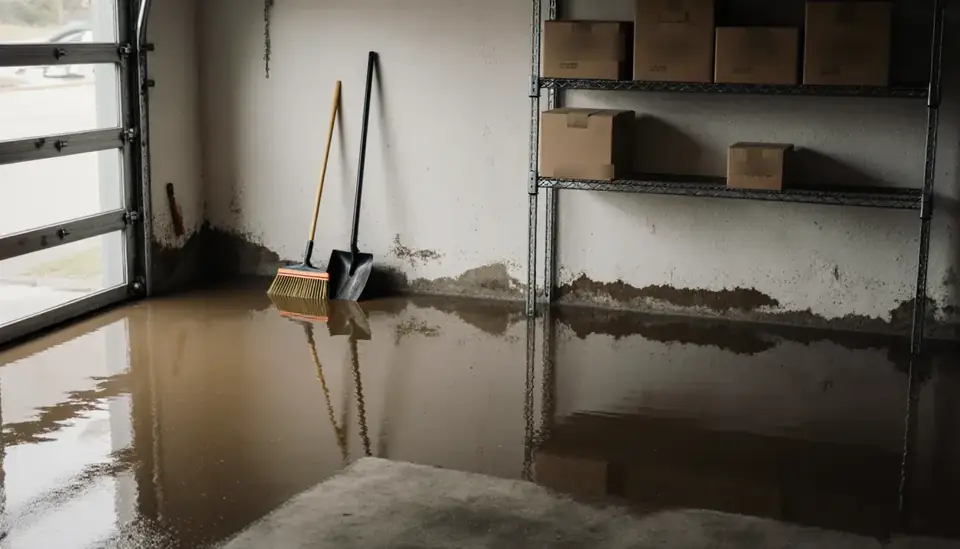
Floodwater from a river or creek is contaminated, so the cleanup is different from a pipe leak. Professional flood cleanup means pumping out water, removing soaked drywall, insulation and flooring, cleaning and disinfecting surfaces, and then drying the framing before rebuilding. Check your address on the state's flood maps; a home near the South Fork or Clark Creek may be in a mapped flood zone.
Mill-Era Houses and the Historic Core
The city's Lincolnton Commercial Historic District, South Aspen Street Historic District and West Main Street Historic District preserve many buildings from the 1800s and early 1900s. Houses from that era were built over crawl spaces with wood subfloors, and over the decades their plumbing has typically been replaced in sections, with old and new materials joined under the floor. Those joints, along with drain lines that have settled, are common sources of slow leaks.
Because the damage happens below the floor, the first sign is often a soft spot, a musty smell or a heating bill that jumps when ductwork gets wet. A restoration provider can open the crawl space, check moisture in joists and subfloor and set up drying equipment underneath the house rather than only in the living space.
City-Owned Power, Water and Sewer: Who to Call
Lincolnton runs its own electric, water and sewer utilities, with about 260 miles of water lines and 224 miles of sewer lines. For a public main break or sewer problem after hours, the city lists its Communication Center at 704-735-8202; during business hours the Public Utilities office is at 704-736-8940. That also matters during storms, since an electric outage means fans and dehumidifiers stop running until power returns.
- Shut off your main water valve for any leak inside the house.
- If water is near outlets or the panel, turn off power to those circuits only if you can do it from a dry spot.
- Photograph the damage and the source.
- Ask for a written drying plan with daily moisture readings.
Damp Crawl Spaces, Summer Humidity and Mold
Summers in the western Piedmont are hot and humid, and that humid air finds its way into vented crawl spaces where it condenses on cool ducts and pipes. Combined with a leak or poor drainage around the foundation, the wood under a house can stay wet enough for mold to grow within days.
If you see fuzzy growth on joists or smell mustiness inside, mold remediation should address both the growth and the moisture behind it: containment, removal of wet insulation and vapor barrier, cleaning the framing and drying the space down to normal readings. Gutters, downspout extensions and grading are part of the long-term fix.
Storm Season in Lincoln County
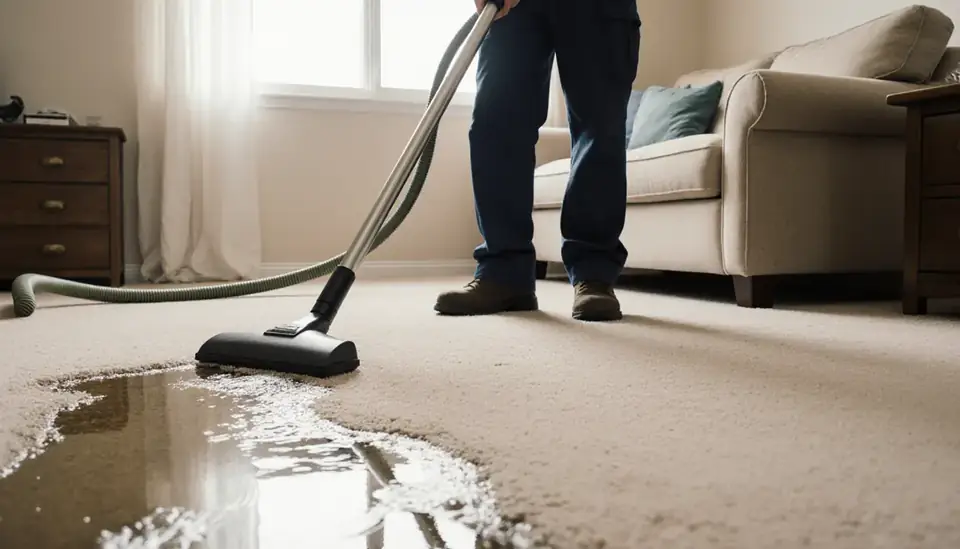
Thunderstorms and the remnants of tropical systems are the main source of sudden roof damage here. Hurricane Helene's remnants in September 2024 brought strong wind across the Piedmont and record flooding upstream on the Catawba River. Wind-driven rain can enter through lifted shingles, damaged flashing or a fallen limb, soaking attic insulation and ceilings below.
After a storm, tarp roof openings as soon as it is safe and pull wet insulation before it holds moisture against the drywall. Rising floodwater is excluded from standard homeowners policies, so homes near the South Fork rely on separate flood coverage. For neighbors farther west, see the page for Shelby.
Neighborhoods and Nearby Communities
Calls come in from across Lincolnton, including:
- Boger City
- Lincolnton Commercial Historic District
- South Aspen Street Historic District
- West Main Street Historic District
The same line also serves nearby communities such as:
- Iron Station
- Denver
- Maiden
- Shelby
- Mooresville
Common Questions
Is my Lincolnton home in a flood zone if it is near the South Fork?
It depends on elevation and distance from the river and Clark Creek, not just proximity. North Carolina's Flood Risk Information System shows the mapped flood zone and base flood elevation for a specific address. If you are in or near a mapped zone, a separate flood policy is the only coverage for rising water, since homeowners insurance excludes it.
Who do I call for a water main break or sewer backup at night?
The City of Lincolnton operates its own water and sewer systems and lists its Communication Center at 704-735-8202 for after-hours problems. The city handles public lines; plumbing and service lines on your side of the meter are the owner's responsibility. If sewage has entered the house, keep people out of the area and arrange professional cleanup.
How long does it take to dry a crawl space after a leak?
Usually a few days to a week once standing water is removed and dehumidifiers are running, though wet insulation and vapor barrier often need to be taken out first. Older Lincolnton homes with low clearance or thick plank subfloors can take longer. Daily moisture readings show when the joists and subfloor are back to normal, which is the right point to stop.