
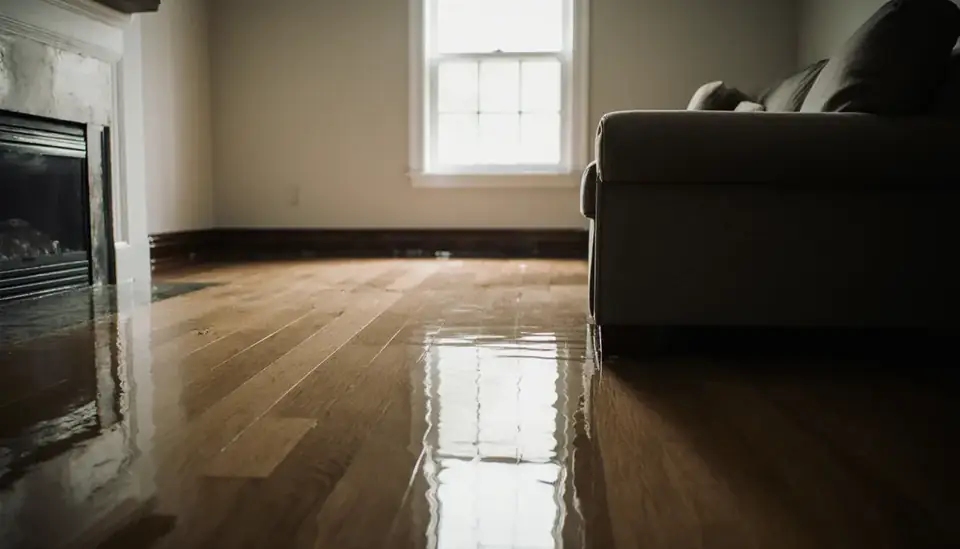
Indian Trail was a railroad crossroads of under 2,000 people in 1990. By 2020 it was the largest community in Union County, with close to 40,000 residents and more than 13,700 homes spread over about 22 square miles between Charlotte and Monroe. Almost all of that is subdivision housing built in the last three decades, much of it family homes with second-floor bathrooms and laundry rooms. Water damage here is mostly about modern construction: appliance failures, plumbing connections, roof and window flashing, and yards that send stormwater toward the house.
The Restoration Job is a free connection service with a 24/7 phone line. Call (888) 317-9980 and we will link you with an independent restoration provider that works in Indian Trail and the surrounding towns. The provider handles the work, pricing and scheduling directly, and many local companies offer emergency service.
How the call works: when you call (888) 317-9980, The Restoration Job connects you with an independent restoration provider that serves Indian Trail. That provider inspects the damage, explains the scope and quotes the work. The Restoration Job doesn't perform restoration itself. Read our referral disclosure.
Second-Floor Laundry Rooms and Other Modern Leak Sources
Floor plans popular since the 1990s put bathrooms and laundry rooms upstairs, directly over kitchens and living rooms. When a washer hose bursts or a toilet supply line lets go, the water heads straight down through subfloor, insulation and drywall ceiling. Other frequent culprits in newer homes include icemaker lines behind refrigerators, dishwasher connections, attic air handlers with clogged condensate drains, and water heaters at the end of their service life.
The ceiling below is usually the easy part. The hidden damage sits in the floor system between stories, where water spreads along joists and soaks the subfloor. Providers handling water damage repair generally open the ceiling enough to dry that cavity rather than just patching the stain.
Goose Creek and Runoff From Rapid Development
Goose Creek starts in Mint Hill and flows south into Union County before swinging northeast to the Rocky River near Fairview. The U.S. Geological Survey operates two active gauges on it near Indian Trail. Its watershed is less than half forested, and every new rooftop and driveway adds to how quickly rain reaches the creek and its tributaries.
For most homeowners, the practical issue is closer to home: graded lots that pitch toward the foundation, gutters that discharge next to the slab, swales clogged with mulch, and detention ponds or drainage easements that nobody maintains. A couple of inches of rain in an hour can put water against the back of a house that has never seen a problem. Check whether your lot is near mapped floodplain using the state's Flood Risk Information System, and clear downspouts and swales before storm season.

Restoration Steps for Slab and Crawl Space Homes
Houses around Indian Trail may sit on slab-on-grade or crawl space foundations, and the two dry differently.
- Slab homes: water spreads under baseboards and flooring and into the bottom of drywall. Carpet pad usually comes out; vinyl plank may need to be lifted to dry the slab beneath.
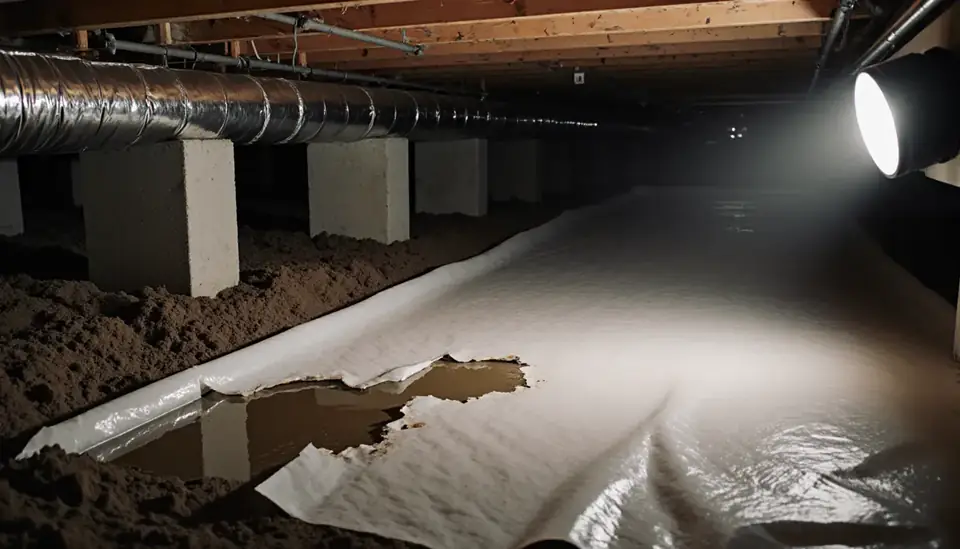
- Crawl space homes: water collects on the vapor barrier and soaks insulation in the floor system. Insulation is typically pulled and the space dried with dehumidifiers.
- Both: moisture readings should guide what is removed, and drying should be confirmed before repairs start.
Professional structural drying usually runs several days with air movers and dehumidifiers, with daily readings to track progress.
Damp Summers and Mold in Closed Wall Cavities
Union County summers are hot and humid, and air conditioning that runs for months can mask a slow leak until mold has already started. Wet drywall behind a vanity, carpet pad that stayed damp after a spill, or insulation over a leaking air handler are typical starting points. Signs include a musty odor that returns after cleaning, discolored baseboards and peeling paint. If you see growth larger than a small spot, ask about mold cleanup that includes containment and removal of affected materials.
Working With Insurers and HOAs After a Loss
In subdivisions governed by a homeowners association, the HOA can matter after storm damage to fences, shared drainage features or exterior finishes that must match community standards. Report the loss to your insurer promptly, take photos of the source and the damage, and keep anything that failed, such as a burst supply line. Surface water flooding is typically excluded from homeowners policies and needs separate flood insurance. For statewide flood and storm context, see the North Carolina service area page for more.
Neighborhoods and Nearby Communities
The same line also serves nearby communities such as:
Indian Trail Water Damage Questions
Why does water keep pooling against my Indian Trail foundation after storms?
In many newer subdivisions, final grading, downspout placement or blocked swales send runoff toward the house instead of away from it. Heavy summer thunderstorms make the problem obvious. Extending downspouts, clearing swales and regrading soil away from the slab often help. If water has already entered, have wet flooring and drywall checked promptly so drying can start.
Is my home near Goose Creek in a flood zone?
Only some properties near Goose Creek and its tributaries fall within mapped floodplain. You can look up an address on North Carolina's Flood Risk Information System to see the effective flood map. Remember that areas outside the mapped zone can still flood from local drainage, and standard homeowners insurance usually does not cover surface water.
An upstairs washer leaked into my kitchen ceiling. Can the ceiling be saved?
Sometimes, if the drywall did not sag and drying starts quickly. A provider will take moisture readings in the ceiling and the floor system above it. Saturated or sagging drywall and wet insulation are normally replaced. The subfloor upstairs also needs to be dry before any new flooring or ceiling patch goes in.