
The Swannanoa River starts only about three miles east of Black Mountain, at Swannanoa Gap, and runs east to west straight through town. Being this close to the headwaters means the river is small on an ordinary day, but the ridges of the Black Mountain range funnel enormous amounts of rain into it during a big storm. At 2,333 feet, the town sits at the southern end of that range, and the slopes above it shed water fast.
The Restoration Job connects callers with independent restoration companies; it does not send its own crews. Call (888) 317-9980 any time and we will put you through to a provider that covers Black Mountain, Montreat and the rest of the upper Swannanoa Valley. Providers set their own rates, and many of them handle emergency calls.
How the call works: when you call (888) 317-9980, The Restoration Job connects you with an independent restoration provider that serves Black Mountain. That provider inspects the damage, explains the scope and quotes the work. The Restoration Job doesn't perform restoration itself. Read our referral disclosure.
What Helene Did to the Upper Swannanoa Valley
Hurricane Helene's rain in late September 2024 fell hardest on the high ground. A volunteer CoCoRaHS observer just south of Black Mountain measured 22.12 inches over three days, according to the State Climate Office of North Carolina, well beyond the nearly 14 inches recorded at the Asheville airport. In town, roads and bridges washed out, and power, water and sewer service were down for days. The headquarters of the Ingles grocery chain, based in Black Mountain, flooded as well.
Losing water and power at the same time is a specific problem for drying. Wet drywall and flooring kept sitting in closed, humid houses, and equipment could not run until generators or utility service came back. When structures stay wet that long, a restoration crew usually has to remove more material than it would after a quick response, and moisture readings in framing need to be confirmed before rebuilding starts.
Mountain Runoff and Homes Below the Ridge
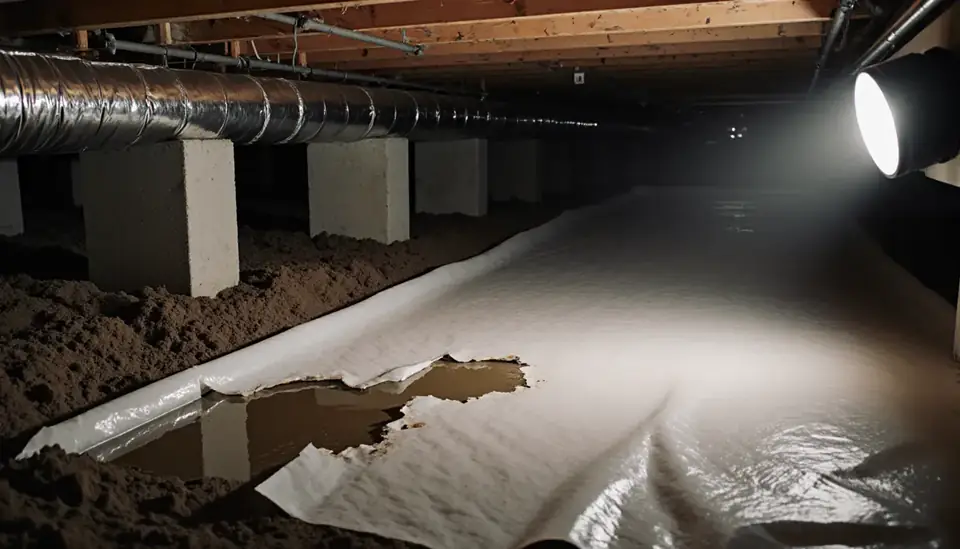
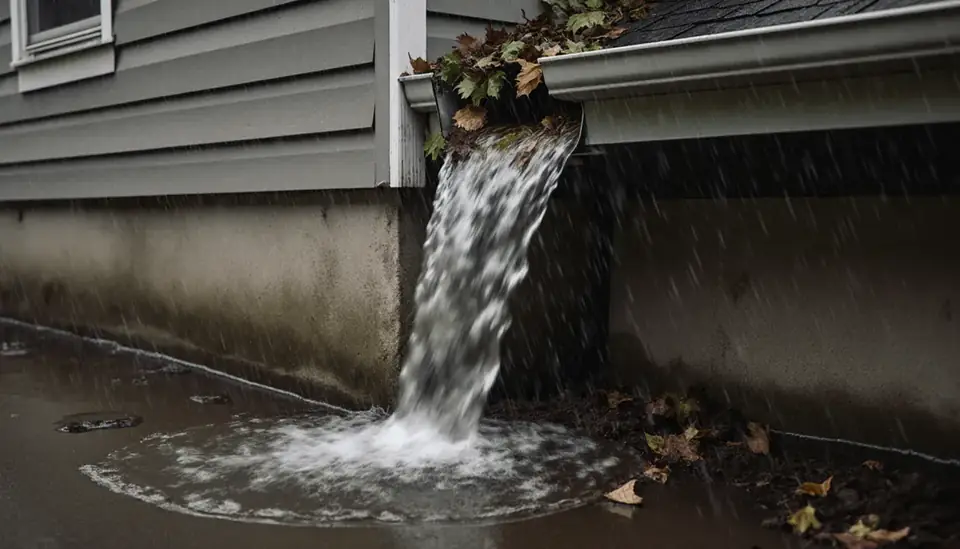
Most water damage in Black Mountain does not come from the river itself. It comes from runoff off the slopes, overwhelmed driveway culverts, and gutters that cannot keep up with a mountain downpour. Houses built into hillsides tend to take water along the uphill foundation wall, and lower levels or crawl spaces collect what gets past it.
- After heavy rain, walk the uphill side of the house and look for pooling or erosion.
- Keep culverts and ditches near the driveway clear of leaves and debris.
- Check the crawl space for standing water a day after a storm, not just during it.
For water that has already reached floors and walls, water extraction followed by dehumidification is usually the first step.

Downtown Storefronts and Older Buildings
Black Mountain's Downtown Historic District, along with places like the Blue Ridge Assembly Historic District south of town, includes older masonry and wood-frame buildings. Many downtown storefronts have shared walls, older roofing and basements that were never meant to stay dry in every storm. A roof leak or a burst pipe in one unit can spread to a neighboring business, so owners and tenants should document damage early and notify the building owner and adjacent occupants.
In the oldest buildings, moisture tends to linger in brick, plaster and heavy timber. Drying these materials takes time and careful monitoring; forcing it with high heat can crack plaster and warp old flooring.
Cold Nights at 2,300 Feet and Mold in the Warm Months
Elevation brings colder winter nights than the valleys to the east. Pipes in exterior walls, crawl spaces and vacation homes left empty for weeks are the usual casualties of a hard freeze. If you own a second home in the area, keep the heat on low, know where the main shutoff is and consider having someone check the house after a cold spell. Black Mountain also keeps an after-hours line for reporting water breaks and other utility emergencies.
In summer, the opposite risk takes over. Humid weather and wet building materials are an easy combination for mold, especially in closed-up crawl spaces and lower levels. A small area of growth can be cleaned, but widespread or recurring growth calls for professional mold cleanup that addresses the moisture source as well as the visible staining.
Insurance and Paperwork After a Flood
Rising water from the Swannanoa or from surface runoff is generally excluded from standard homeowners policies. Flood coverage comes through a separate policy, most often from the National Flood Insurance Program, and new policies usually have a waiting period. Wind damage to a roof and the rain that follows through the opening is a different claim.
Keep a simple file: dated photos before and during cleanup, a list of removed materials, receipts for fans, dehumidifiers and generator fuel, and copies of any estimates. Adjusters working a regional disaster are juggling many claims, and good records make yours easier to settle.
Neighborhoods and Nearby Communities
Calls come in from across Black Mountain, including:
- Downtown Black Mountain
- Blue Ridge Assembly
The same line also serves nearby communities such as:
Common Questions
Is Black Mountain really at risk of river flooding so close to the source?
Yes. The Swannanoa begins only a few miles east of town, but the steep slopes of the Black Mountain range can deliver a huge volume of water in a short time. During Helene, a gauge just south of town recorded more than 22 inches of rain. Small headwater streams can rise and fall within hours, carrying mud and debris that make cleanup harder than standing water alone.
Our power and water were out for days after the storm. Is it too late to dry the house?
Not necessarily, but expect more removal. Drywall, insulation and carpet pad that stayed wet for several days in warm weather often have to go. Framing, subfloors and masonry can usually be dried and cleaned. Have moisture levels measured in the studs and floor system before anything is closed back up, and watch for musty odors in the following weeks.
Who do I call about a water main break in the street?
Report it to the town. Black Mountain lists an after-hours line for water breaks and utility emergencies on its website. Leaks inside your walls or under the house are generally the owner's problem to fix, and that is where an independent restoration provider can help with extraction and drying.