
Elizabethtown occupies the western bank of the Cape Fear River, roughly halfway between Fayetteville and Wilmington. Chartered in 1773, the town saw a Revolutionary War skirmish in 1781 that drove Loyalists into a riverside ravine still known as Tory Hole, and it later shipped naval stores and lumber downriver. Browns Creek drains its southern side, and the surrounding Bladen Lakes country is full of Carolina bays and pocosins, with Jones Lake, Singletary Lake and White Lake all within about ten miles.
The same river that built the town is its biggest water hazard. In September 2018, a gauge about six miles northwest of Elizabethtown measured 35.93 inches of rain from Hurricane Florence, the most ever recorded from a single tropical cyclone in North Carolina. The Restoration Job is a no-cost referral line answered 24/7; call (888) 317-9980 and we will connect you with an independent restoration provider that serves Bladen County. Providers run their own businesses and set their own rates, and many offer emergency response.
How the call works: when you call (888) 317-9980, The Restoration Job connects you with an independent restoration provider that serves Elizabethtown. That provider inspects the damage, explains the scope and quotes the work. The Restoration Job doesn't perform restoration itself. Read our referral disclosure.
Matthew and Florence on the Cape Fear at Elizabethtown
Two storms two years apart set the modern benchmarks. After Hurricane Matthew, the Cape Fear at Elizabethtown crested at 36.44 feet on October 11, 2016, the fourth-highest level on record, and the National Weather Service in Wilmington reported major flooding in Elizabethtown as well as Clarkton, White Oak, Tar Heel and Bladenboro. Florence followed in 2018 with even more rain; the river crested two to six feet higher than during Matthew and set a new record at Lock and Dam No. 1, and a dike breach forced the evacuation of Kelly downstream.
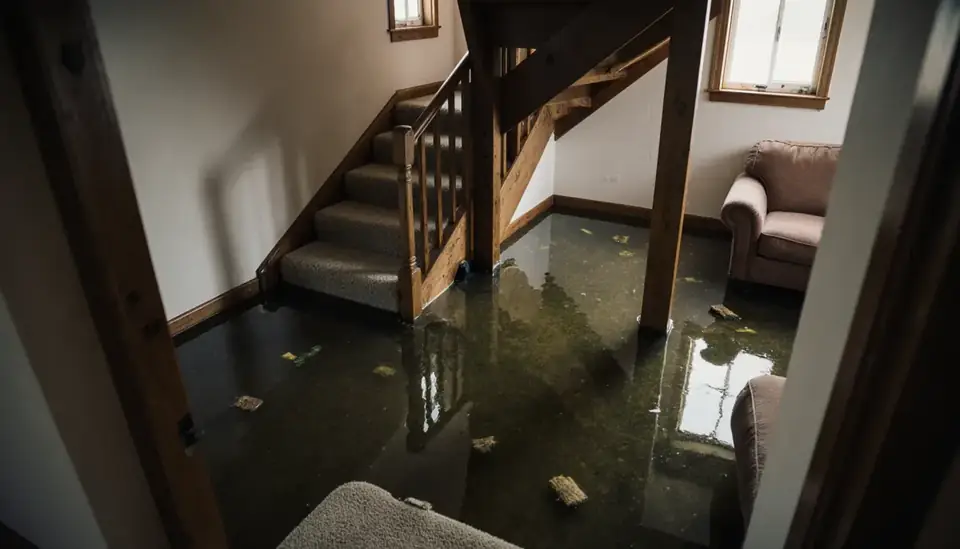
River flooding is slow. Water rises over a day or more and can stay for several days before it recedes, so materials soak longer and contamination is more thorough than with a quick flash flood. Plan for recovery accordingly.
Returning Home After the River Recedes
Wait for local officials to say it is safe before going back, and keep power off until an electrician has checked the system if water reached outlets or the panel. Then work methodically:
- Photograph and video every room, including water lines on walls, before removing anything.
- Discard any food, medication or toiletries that sat in river water.
- Pull out wet carpet, pad and upholstered items; they rarely survive river water.
- Open the house to air it out when outdoor humidity allows, but do not rely on that alone to dry it.
- Contact your flood insurer early, since adjusters are stretched thin after a regional event.
Professional flood cleanup usually means cutting out drywall and insulation above the water line, cleaning and disinfecting framing, and running dehumidifiers until wood moisture readings return to normal. Rebuilding on wet framing is the most common way mold problems start months later.
Flood Insurance and Low Ground in Bladen County
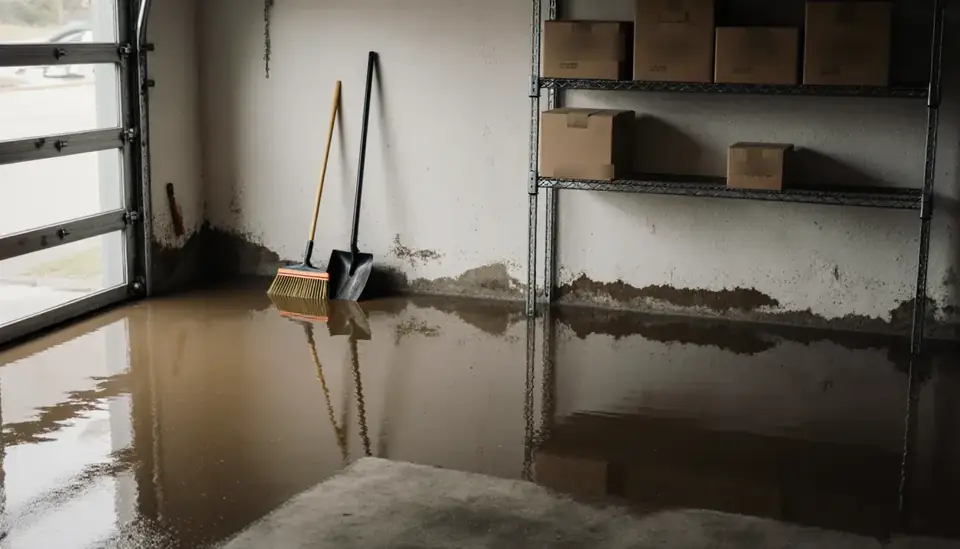
Standard homeowners policies do not cover rising floodwater, and federal flood policies typically have a waiting period before coverage starts, so buying one as a storm approaches is too late. The North Carolina Flood Risk Information System shows mapped flood zones by address, but maps are drawn for a particular storm probability, and a record event like Florence can push water past those lines. Homes near Browns Creek, along low roads toward the river, or close to swamps and bays should weigh coverage even if they sit outside a mapped zone.
Everyday Leaks in a Humid River Town
Between storms, the ordinary household leak is the more frequent problem. Failed water heaters, broken supply lines, leaking dishwashers and clogged air-conditioning drains account for plenty of wet floors, and older homes on crawl spaces can hide plumbing leaks for weeks. Fast structural drying limits how far the damage spreads, and moisture readings tell you when the job is actually finished.

Mold in the Weeks After a Flood
Eastern North Carolina's heat and humidity give mold every advantage. After a flood, growth can start within a day or two on drywall paper, insulation, wood trim and furniture. Wear gloves and a well-fitting respirator if you handle moldy materials, and keep people with breathing problems away from the work. When growth is widespread or inside wall cavities, mold remediation with containment and removal is the reliable approach, followed by drying to keep it from coming back.
Neighborhoods and Nearby Communities
The same line also serves nearby communities such as:
- White Lake
- Bladenboro
- Clarkton
- Dublin
- East Arcadia
- Tar Heel
- Kelly
- White Oak
Elizabethtown Water Damage Questions
How high has the Cape Fear River gotten at Elizabethtown?
The National Weather Service in Wilmington reported a crest of 36.44 feet at Elizabethtown on October 11, 2016, after Hurricane Matthew, the fourth highest on record at the time. During Florence in 2018, the Cape Fear crested two to six feet higher than in Matthew and set a record at Lock and Dam No. 1. Check NWS river forecasts whenever a tropical system approaches.
Can I clean up a flooded Bladen County home myself?
You can do some of it, such as removing soaked carpet and belongings, but river water carries sewage and chemicals, and drying a flooded house thoroughly requires commercial dehumidifiers and moisture meters. Most homeowners bring in a restoration provider for tear-out, disinfection and drying, then hire contractors to rebuild once materials test dry.
My home is outside the mapped flood zone. Do I still need flood insurance?
Flood zone maps reflect a particular level of risk, not a limit on where water can go, and Florence's record rain in this part of the state tested those lines. If you live near the Cape Fear, Browns Creek or low-lying swamps, a flood policy is worth considering even if it is not required. Homeowners insurance does not cover rising water, and flood policies usually take effect only after a waiting period.
Where can I find official storm information for Elizabethtown?
The National Weather Service office in Wilmington issues forecasts, river flood warnings and storm summaries for Bladen County. Its Hurricane Florence summary also documents local rainfall and river crests. The state flood risk website shows flood zones by address.