
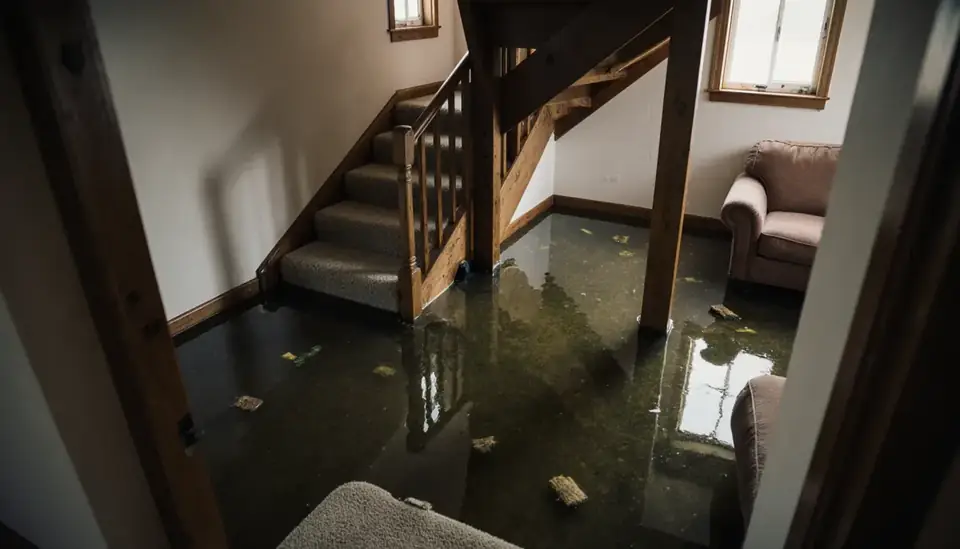
Lumberton was founded in 1787 as a place to send logs down the Lumber River, a dark blackwater stream that winds through swamps, pocosins and cypress forest on its way into South Carolina. The river is still the defining fact of life in the Robeson County seat. It crested at 24.39 feet on October 9, 2016, the highest on record at the time, and then rose about a foot higher during Hurricane Florence in 2018. Streets in south and west Lumberton were left largely abandoned after those two floods, and many people who stayed have been through water damage more than once.
The Restoration Job connects callers with independent restoration providers and charges nothing for the referral. Call (888) 317-9980, day or night, and we will put you in touch with a company that serves Lumberton and the surrounding parts of Robeson County. Each provider runs its own business, and many offer emergency response.
How the call works: when you call (888) 317-9980, The Restoration Job connects you with an independent restoration provider that serves Lumberton. That provider inspects the damage, explains the scope and quotes the work. The Restoration Job doesn't perform restoration itself. Read our referral disclosure.
Matthew, Florence and the Gap Under I-95
The 2016 flood exposed a weak point. According to the National Weather Service in Wilmington, water did not breach the city's levee during Hurricane Matthew; it went around it, flowing beneath Interstate 95 along the railroad tracks at VFW Road. The river also covered part of I-95 and closed it between exits 31 and 20, flooded the city's water treatment plant and cut off municipal water for weeks, and displaced thousands of people from homes and public housing.
When Florence approached in September 2018, about 100 residents, city workers and National Guard members filled sandbags to protect that same weak spot. The river still crested near 25.4 feet, and the Mayfair neighborhood just north of the city flooded as deep as eight feet. Low-lying parts of town again lost homes and businesses.
Cleaning Up After Blackwater Floods
River floods here are slow to rise and slow to leave, and the water carries mud, organic debris, fuel and sewage. That means anything porous it reached is usually a loss. Flood cleanup after Lumber River water typically involves:
- Removing carpet, pad, vinyl that trapped water, and drywall and insulation to a height above the waterline.
- Shoveling out silt, then cleaning and disinfecting studs, sill plates and slab or subfloor.
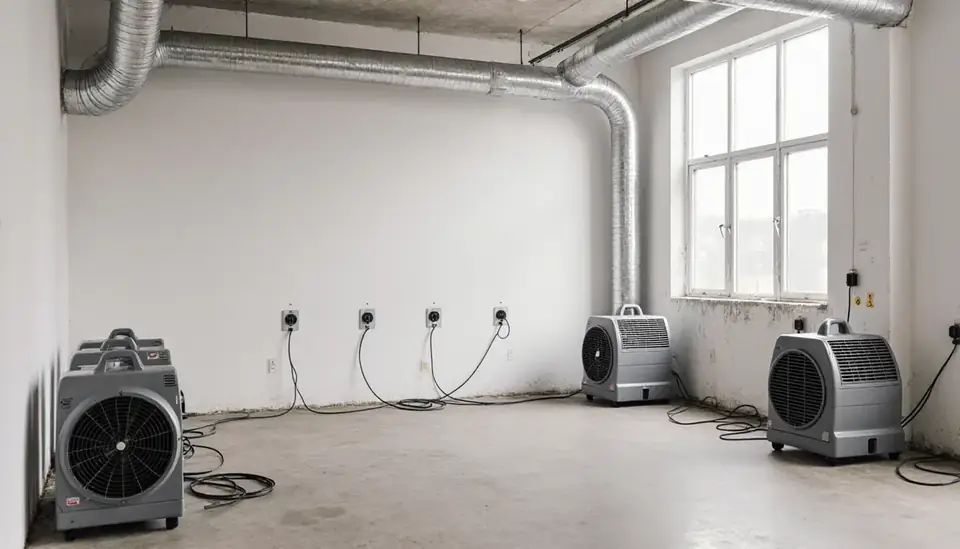
- Drying the structure with dehumidifiers and air movers, with moisture readings logged until framing is back to normal.
- Checking ductwork, water heaters and appliances that sat in floodwater before they are used again.
Wait for officials to say an area is safe before going in, keep power off until an electrician or the utility clears it, and wear boots and gloves around floodwater.
Heavy Rain, Swamps and a High Water Table
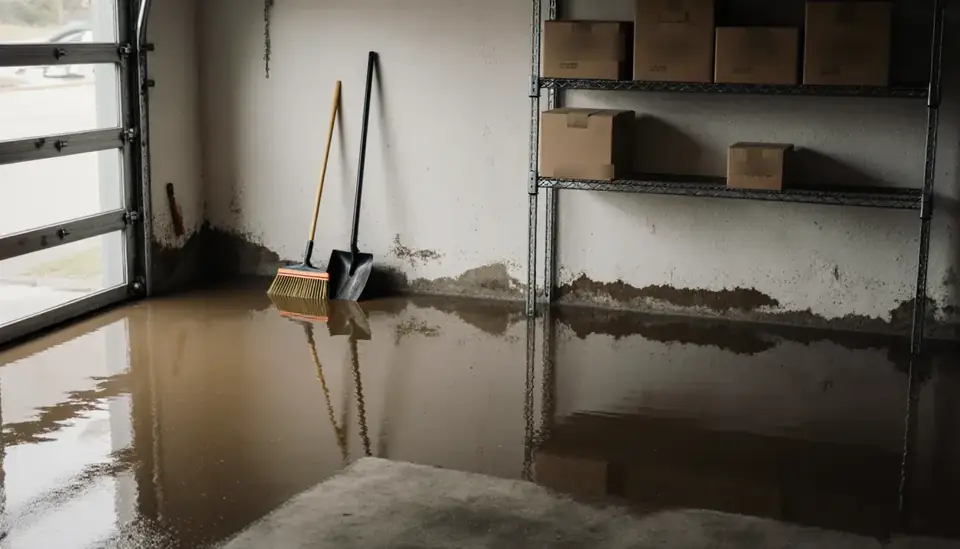
Lumberton averages roughly 51 inches of precipitation a year, and Robeson County holds about 50 swamps along with pocosins and Carolina bays. Water drains slowly across that flat Coastal Plain ground. Even without a river crest, a stalled thunderstorm can pond water in yards and ditches and push it into crawl spaces, garages and slab homes built close to grade.
Inside the house, the everyday causes are the same as anywhere: supply lines, water heaters, washing machine hoses, roof leaks after wind and AC condensate overflows. In a house that already flooded once, ask whoever handles the water damage restoration to look for leftover moisture or poorly dried framing from the earlier event before closing walls again.
Mold After a Flood in a Hot, Wet Climate
Southeastern North Carolina's heat and humidity give mold every advantage. After a river flood, houses can sit closed and wet for days while roads stay blocked and utilities are down, as happened when the city water supply was cut for weeks in 2016, and that delay lets mold spread through walls and furniture. Growth can begin within a day or two on wet drywall and wood.
The fix is removing contaminated porous materials, cleaning the framing, and drying the building thoroughly before rebuilding. Painting over stains or sealing walls while the wood is still damp tends to bring the odor and growth back within months.
Insurance, Flood Maps and Planning Ahead
Standard homeowners and renters policies generally exclude flood damage from a rising river. Coverage for that comes from a separate flood policy, and it needs to be in place before a storm is forecast. FEMA's Flood Map Service Center shows the mapped flood zone for an address, though both 2016 and 2018 showed that water can reach places outside the highest-risk zones.
Robeson County Emergency Management, based in Lumberton, runs the county's Code Red alert system and keeps a special needs registry for residents who may need help evacuating. Signing up before hurricane season is worth the few minutes it takes.
Where Callers in the Lumberton Area Are
Calls come in from across Lumberton, including:
- Downtown Lumberton
- South Lumberton
- West Lumberton
The same line also serves nearby communities such as:
- Pembroke
- St. Pauls
- Fairmont
- Rowland
- Maxton
- Red Springs
Common Questions
How high did the Lumber River get in Lumberton?
The river crested at 24.39 feet on October 9, 2016, during Hurricane Matthew, more than 11 feet above flood stage. During Hurricane Florence in 2018 it was estimated to crest near 25.4 feet, over a foot higher. Both floods damaged homes in low-lying parts of the city and nearby communities such as Mayfair.
Is it worth drying out a house that flooded from the river?
Often the structure can be saved even when contents cannot. Framing, slabs and many subfloors can be cleaned, disinfected and dried, while carpet, pad, drywall, insulation and upholstered furniture that sat in river water are normally removed. A restoration provider should document moisture readings so you know when rebuilding is safe.
How can I get flood warnings for Robeson County?
Robeson County Emergency Management uses Code Red for community alerts and weather warnings, and the National Weather Service office in Wilmington issues river forecasts for the Lumber River. Signing up for alerts gives you more time to move belongings, vehicles and important papers before water arrives.