
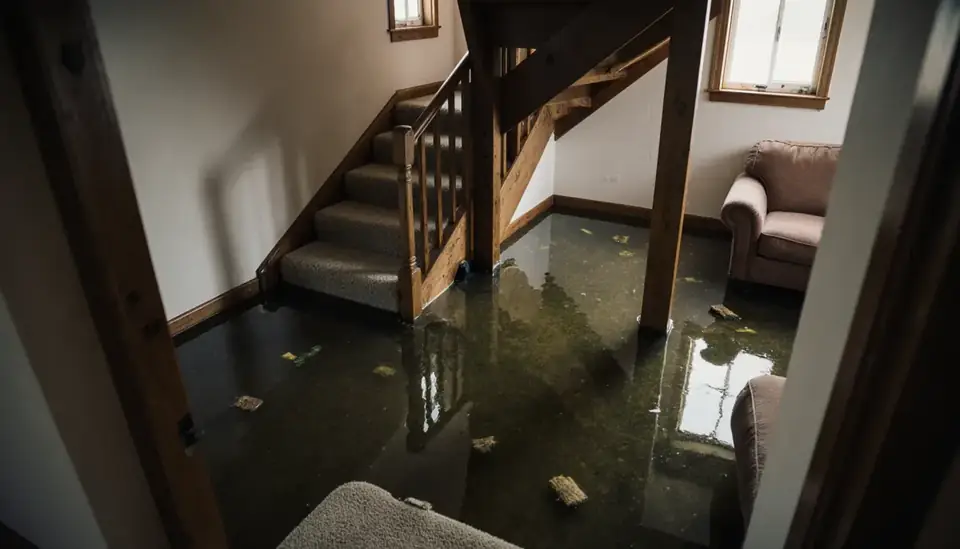
Fayetteville grew up where Cross Creek meets the Cape Fear River, and that pairing still shapes how water reaches homes here. The creek rises on the city's west side and runs east through downtown to the river, while Blounts Creek and Beaver Creek drain other parts of a city that now covers about 150 square miles, from the Haymount hill to the edge of Fort Bragg. Hurricanes that stall over the Sandhills, summer cloudbursts in August, the wettest month on average, and plumbing failures in houses built over the last two centuries all end up in the same place: wet floors, wet walls and a short window before mold starts.
No crew works for The Restoration Job, which is a no-cost phone referral line for Cape Fear Valley property owners. Call (888) 317-9980 at any hour and we will connect you with an independent restoration provider that works in Fayetteville and the rest of Cumberland County. Those providers set their own prices and schedules, and many of them offer emergency service.
How the call works: when you call (888) 317-9980, The Restoration Job connects you with an independent restoration provider that serves Fayetteville. That provider inspects the damage, explains the scope and quotes the work. The Restoration Job doesn't perform restoration itself. Read our referral disclosure.
When the Cape Fear Crests: Matthew and Florence
Two storms set the modern benchmark. In late September 2016 roughly 10 inches of rain soaked Cumberland and neighboring counties, and then Hurricane Matthew dropped another 10 to 14 inches on that saturated ground in early October. Two years later Hurricane Florence pushed the Cape Fear River to a crest of about 61.4 feet near Fayetteville on September 19, 2018, well above the levels seen during Matthew. Florence also sent the Little River over large areas of Cumberland and Harnett counties, cutting off communities where bridges were overtopped.
River flooding behaves differently from a burst pipe. The water rises over days, carries silt and sewage, and stays in contact with framing and insulation long enough to soak them through. Anything it touched should be treated as contaminated, and flood cleanup after a river event usually means removing drywall, insulation and flooring to a level above the waterline, not just extracting standing water.
Cross Creek, Blounts Creek and Neighborhood Street Flooding
Most water calls in the city do not involve the river at all. The city's stormwater program tracks 15 watersheds and lists Cross Creek, Blounts Creek and Beaver Creek among the streams it monitors, and it gives priority to areas with chronic flooding. In a heavy thunderstorm, culverts and ditches that feed those creeks can back up quickly, sending water across yards and into garages, crawl spaces and slab homes built close to grade.
Fayetteville runs a 24-hour hotline, 910-433-1613, for flooding and stormwater problems on public streets and drainage. Reporting a blocked inlet or overflowing ditch will not dry your house, but it helps the city find repeat trouble spots. Inside the home, the priorities are the same as with any outside water: shut off power to wet circuits if you can do it safely, photograph everything, and get wet materials out before they start to smell.

Haymount, Downtown and Houses Built Before Modern Plumbing
The Haymount District alone contains 60 contributing buildings put up between about 1817 and 1950, many in Queen Anne and Colonial Revival styles, and the downtown, Market House Square and Broadell historic districts hold more older construction. Plaster walls, heart-pine floors and raised crawl spaces respond to water differently than new drywall over a slab. Plaster can hold moisture for a long time behind a dry-looking surface, and old wood floors cup and buckle if they are dried too fast or not dried at all.
In older houses, a careful structural drying plan with moisture readings taken in walls, subfloor and joists matters more than speed. Supply lines, galvanized drain pipe and decades of remodels add joints where slow leaks can run for months before anyone notices a stain.
Military Moves, Rentals and Who Calls Whom
With Fort Bragg bordering the north side of the city, a large share of households are military families, many of them renting or moving on short notice. If you rent, tell your landlord or property manager about a leak immediately and in writing, take dated photos, and protect your own belongings, which are usually covered only by a renter's policy. Owners who are deployed or between duty stations should have someone local who can check on the house and let a restoration crew in.
Standard homeowners insurance generally does not cover rising floodwater; that requires a separate flood policy. The city's emergency management page links to the state FIMAN flood gauge map, which shows river and creek levels in real time.

Humidity, August Storms and Mold Growth
Fayetteville's humid subtropical climate makes drying harder from late spring into fall. Outdoor air is often too damp to dry a house by opening windows, so restoration crews rely on dehumidifiers and air movers and keep the building closed. Crawl spaces are a recurring trouble spot: water that collects under the floor after a storm can keep the subfloor damp for weeks.
Mold usually becomes visible within days on wet drywall, carpet pad and the paper backing of insulation. If materials stayed wet for more than a day or two, or you smell mustiness after a leak was fixed, mold remediation that removes affected materials and addresses the moisture source is more reliable than surface spraying.
Where Callers in the Fayetteville Area Are
Calls come in from across Fayetteville, including:
- Downtown
- Haymount
- Broadell
- Market House Square
- Gates Four
- Seventy-First
The same line also serves nearby communities such as:
- Hope Mills
- Spring Lake
- Eastover
- Stedman
- Raeford
- Rockfish
Frequently Asked Questions
How high has the Cape Fear River risen in Fayetteville?
During Hurricane Florence the river crested at about 61.4 feet near Fayetteville on September 19, 2018, higher than during Hurricane Matthew in 2016. Crests like that take days to build after the rain ends, so watch river gauges on the state FIMAN map and follow Cumberland Alerts instead of judging risk by the weather outside your window.
Who do I call about a flooded street or blocked ditch in Fayetteville?
The City of Fayetteville stormwater program runs a 24-hour hotline at 910-433-1613 for flooding and drainage problems on public property. That line handles streets, culverts and ditches. Water inside your home or business is a private repair, and you can call (888) 317-9980 to be connected with an independent restoration provider.
Does the age of my Haymount or downtown house change how it should be dried?
Often, yes. Plaster, old-growth wood floors and crawl-space framing hold water differently than modern drywall on a slab. Drying them too quickly can crack plaster or warp floors, and drying them too little invites mold. Ask the provider to document moisture readings in the walls and subfloor until materials reach normal levels.
I rent near Fort Bragg. What should I do first after a leak?
Stop the water if you can, notify your landlord or property manager in writing, and photograph the damage and your belongings. The building and its repairs are usually the owner's responsibility, while your furniture and clothing typically fall under a renter's policy. Keep receipts for anything you buy to limit the damage.