
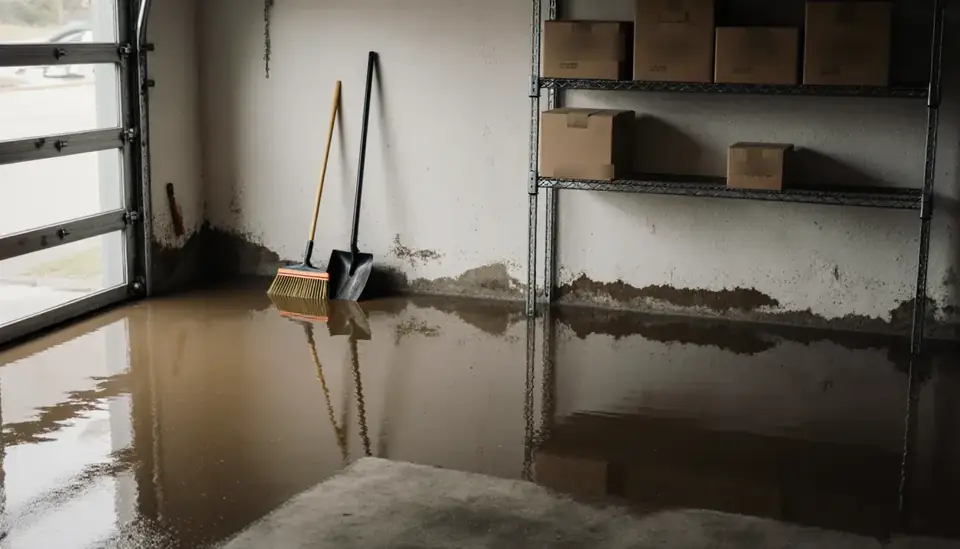
The General Assembly chartered Smithfield on April 23, 1777, making it the first town in Johnston County and its county seat ever since. It grew on the east bank of the Neuse River, which still divides downtown from West Smithfield across the water. At an elevation of about 125 feet, it sits far lower than the Triangle cities upstream, and every major storm that soaks the upper Neuse basin eventually sends its water past here.
The Restoration Job runs a free 24/7 phone line, (888) 317-9980, that connects Smithfield callers with an independent restoration company serving Johnston County. The company you are connected with does its own assessment, sets its own prices and performs the work; many such providers take emergency calls.
How the call works: when you call (888) 317-9980, The Restoration Job connects you with an independent restoration provider that serves Smithfield. That provider inspects the damage, explains the scope and quotes the work. The Restoration Job doesn't perform restoration itself. Read our referral disclosure.
Matthew's Record Crest on the Neuse
In October 2016, Hurricane Matthew pushed the Neuse River at Smithfield to a record crest of 29.09 feet, according to the National Weather Service in Raleigh. That level topped the previous records set by Fran in 1996 and Floyd in 1999, which had been the benchmarks for a generation. Upstream, the river near Clayton stayed in major flood for almost two days, and downstream Goldsboro also set a record.
River floods here are slow compared with flash flooding on small creeks. The crest can arrive days after the rain stops, which gives residents time to move belongings and vehicles but also tempts people to wait too long. If the forecast calls for a major crest, act on it early. The USGS gauge on the Neuse at Smithfield, run jointly with the Army Corps of Engineers, reports conditions online.
Spring Branch and Downtown Drainage
Not all of Smithfield's water problems come from the river. The town has launched the Spring Branch Resiliency Project, funded by the North Carolina Land and Water Fund, to study a 1.53-square-mile watershed that includes downtown Market Street and stretches from North Street to Brogden Road, bordered on the southeast by I-95. The stated goal is to address ongoing flooding, erosion and stormwater issues in that corridor.
For property owners in that part of town, heavy thunderstorms can overwhelm drainage well before the Neuse rises. Water that backs up in streets and yards finds its way into crawl spaces, ground-floor commercial spaces and storage rooms. Keeping gutters clear, extending downspouts and sealing low entry points will not stop a major event, but it does cut down on the routine soakings.
Older Homes and an Older Population
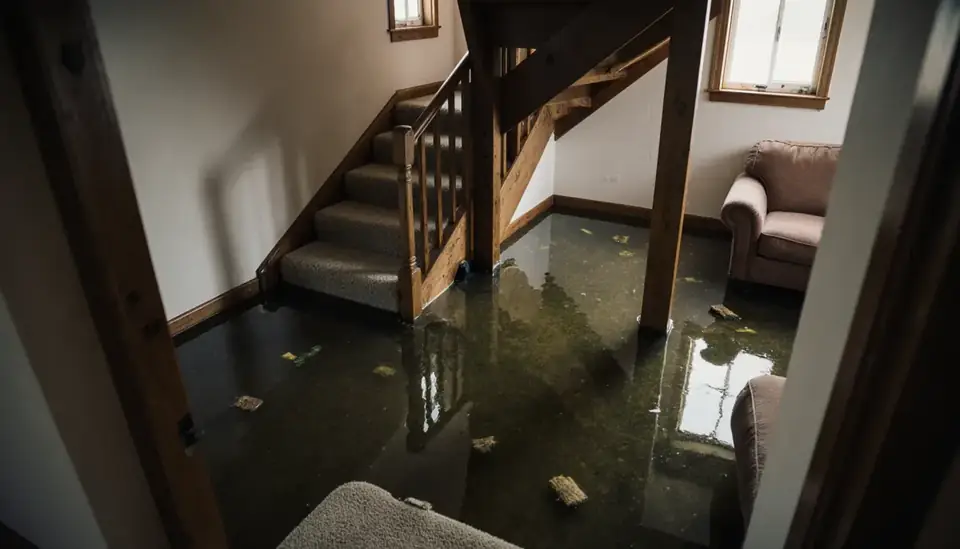
Smithfield's 2020 median age was 41.9, and more than a fifth of residents were 65 or older. That shapes how water damage plays out. Leaks in a home where someone lives alone can go unnoticed for days, and moving furniture or tearing out wet carpet is not a job everyone can do safely. Family members helping a parent after a flood should:
- Shut off water at the main and power to wet rooms before anything else
- Photograph damage and keep receipts for any emergency purchases
- Avoid lifting soaked carpet, drywall or furniture, which is heavier than it looks
- Call the insurer early and ask about flood versus homeowners coverage
If the house sits over a crawl space, checking under the floor after any flood or leak should be part of the plan.
Cleaning Up After River Water
Floodwater from the Neuse is contaminated and has to be treated that way. Flood cleanup usually means removing mud and debris, cutting out drywall and insulation above the waterline, cleaning and disinfecting framing and slabs, and then drying the structure with dehumidifiers before anything is rebuilt. Contents that absorbed floodwater, such as mattresses and upholstered furniture, are usually discarded. Where sewer lines have backed up into the house, the work follows sewage cleanup procedures, with protective gear and stricter disposal.
Flood damage is generally excluded from standard homeowners insurance. A separate flood policy is what pays for river flooding, and it usually has a waiting period before coverage starts.
Mold After a Long Wet Spell
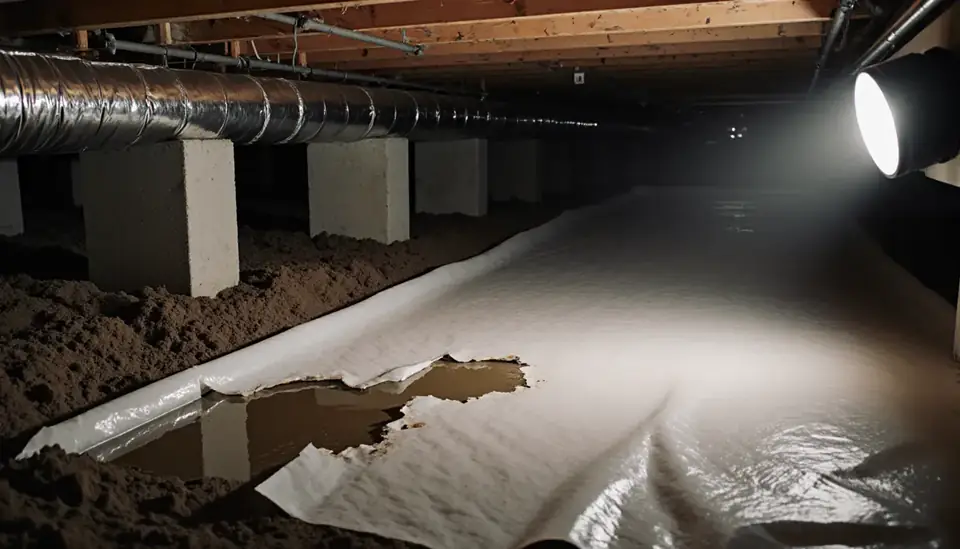
Eastern Piedmont humidity, plus houses that may sit wet for days while a river crest passes, makes mold a real follow-up concern after flooding in Smithfield. Growth often shows first on lower drywall, the back of baseboards, and floor joists in damp crawl spaces. Drying quickly and thoroughly is the most effective prevention. If mold is already visible or a musty odor will not go away after drying, have the area assessed so the affected material can be removed under containment.
Smithfield Neighborhoods and Surrounding Towns
Calls come in from across Smithfield, including:
- Downtown Smithfield
- West Smithfield
- Market Street
The same line also serves nearby communities such as:
- Selma
- Clayton
- Pine Level
- Four Oaks
- Wilson's Mills
- Princeton
Common Questions
Will the Neuse flood Smithfield again the way it did during Matthew?
Nobody can predict a specific crest years ahead, but Matthew showed the river can exceed earlier records. Use the North Carolina Flood Risk Information System to see your property's mapped flood risk, and watch National Weather Service river forecasts during any tropical system. The crest at Smithfield typically comes after heavy rain upstream, so the warning time is useful if you act on it.
I'm in the Spring Branch area and my yard floods in thunderstorms. What should I do?
The town's Spring Branch Resiliency Project is studying flooding, erosion and stormwater problems in that watershed, and residents can sign up for updates through the town. In the meantime, direct downspouts away from the foundation and check your crawl space after big storms. If water has already come inside, have it extracted and the structure dried promptly.
Does homeowners insurance cover a flooded crawl space?
The answer turns on the water's source. A broken pipe under the house is usually treated differently from groundwater or surface flooding, which typically falls under a separate flood policy. Take photos of the crawl space and the source, then describe the cause plainly to your insurer. A restoration provider can document moisture readings to support the claim.
Can someone help an elderly parent's home in Smithfield even if I live elsewhere?
Yes. You can call (888) 317-9980 on their behalf, and you will be connected with an independent provider serving Smithfield. Make sure someone can give access to the house and that the homeowner or their representative is involved in approving work and dealing with the insurance company.