
Spruce Pine is a small town built in the narrow North Toe River valley in southern Mitchell County, close to the Avery County line and a few miles north of the Blue Ridge Parkway. It is known worldwide for the high-purity quartz mined nearby, and locally for a compact downtown on the valley floor. That position made it one of the hardest-hit places in the state when Hurricane Helene stalled over the mountains in September 2024.
There is no fee to use this line, which passes calls to restoration companies that work independently. Call (888) 317-9980 any time and we will link you with a provider that serves Spruce Pine and nearby Mitchell and Avery County communities. Providers set their own availability and rates, and many can respond to emergencies.
How the call works: when you call (888) 317-9980, The Restoration Job connects you with an independent restoration provider that serves Spruce Pine. That provider inspects the damage, explains the scope and quotes the work. The Restoration Job doesn't perform restoration itself. Read our referral disclosure.
Twenty-Four Inches of Rain and the North Toe River
A volunteer weather observer in Spruce Pine measured 24.12 inches of rain over three days during Helene. The North Toe River rose far out of its banks, and the town's downtown suffered severe damage to shops, roads and utilities. The National Weather Service office in Greer described catastrophic flooding along the Toe River system in Mitchell and neighboring Yancey County, where the community of Celo reported a little over 30 inches.
The flooding also disrupted the quartz operations run by The Quartz Corp and Sibelco, drawing national attention because the area's high-purity quartz is used in semiconductor manufacturing. For residents, the more immediate concerns were mud-filled buildings, lost utilities and roads cut off for days.
Mud, Silt and Debris: What Mountain Flood Cleanup Involves
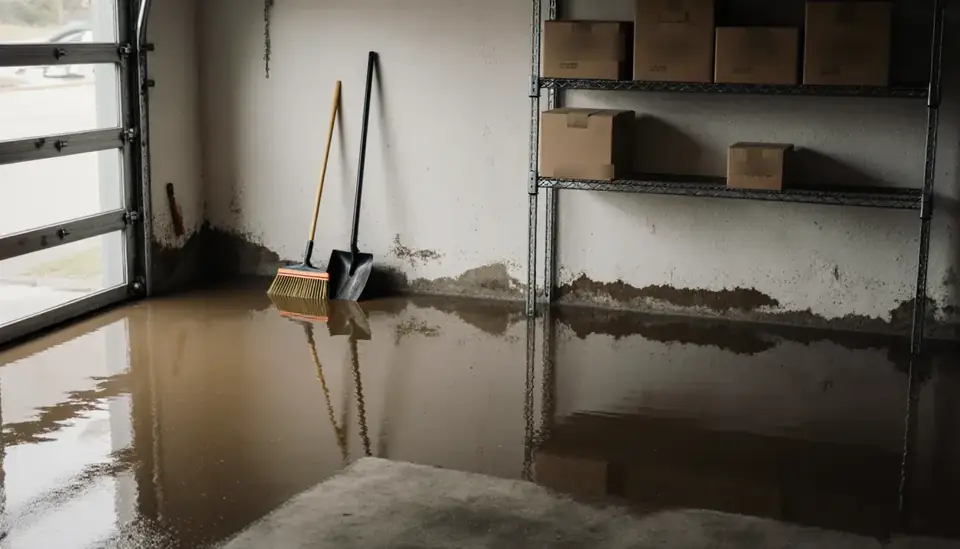
River flooding in a steep valley carries far more sediment than a slow coastal flood. Buildings along the North Toe were left with layers of silt, sand and debris, and that changes the order of work. A crew handling flood cleanup in this setting will usually:
- Shovel and haul out mud and debris before any drying equipment goes in.
- Remove flooded drywall, insulation, flooring and cabinets that absorbed river water.
- Wash down and disinfect framing, slabs and block walls.
- Check wall cavities and floor systems where silt settles out of sight.
- Run dehumidifiers and air movers, often on generators if power is still out.
Floodwater from the river should always be treated as contaminated with sewage and chemicals. Wear boots and gloves, and do not let children handle flood-soaked items.

Older Downtown Buildings and Hillside Homes
Spruce Pine's Downtown Historic District is made up largely of older commercial buildings, and the downtown blocks took some of the heaviest flood damage in town. Masonry and plaster in buildings like these soak up moisture and release it slowly, so drying them takes patience and repeated moisture readings. Owners should photograph historic finishes before removal, since some details can be salvaged or matched later.
Outside downtown, many homes sit on hillsides above the valley floor. They were less exposed to the river itself but face runoff, slides and water forced through foundation walls during extreme rain. A provider offering structural drying can measure how deep the moisture went before any rebuilding begins.
Mold After a Long Wait for Power
Spruce Pine averages about 57 inches of precipitation a year, and the weeks after Helene brought extended outages and blocked roads. In that situation, buildings stay closed and wet long enough for mold to take hold on drywall, wood trim and contents. Mold cleanup is far easier if wet materials come out within the first few days, but even late cleanups can succeed when damaged porous materials are removed and the structure is dried completely.
Watch for musty smells and dark spots returning on cleaned surfaces, which usually means moisture is still present somewhere in the wall or floor.

Insurance, Flood Maps and Mitchell County Neighbors
Standard homeowners and business policies usually exclude river flooding, so check whether you have National Flood Insurance Program or private flood coverage. The state Flood Risk Information System shows which parcels sit in mapped flood hazard areas along the North Toe and its tributaries, including Cane Creek, which runs through Bakersville about 11 miles away.
Independent providers reached through the line typically work across Spruce Pine, Bakersville, Newland and the smaller communities of the Toe River valley, and some also serve Boone and the rest of the High Country.
Areas In and Around Spruce Pine
Calls come in from across Spruce Pine, including:
- Downtown Spruce Pine
- Lower Street
The same line also serves nearby communities such as:
- Bakersville
- Newland
- Grassy Creek
Frequently Asked Questions
Is it safe to clean up river mud myself?
Small amounts can be handled with care, but floodwater from the North Toe should be treated as contaminated. Wear waterproof boots, gloves and eye protection, and use an N95 mask when the mud dries and turns to dust. Large amounts of silt inside walls and floor systems, or any sign of structural damage, are better left to a restoration provider with proper equipment.
How do I know if my Spruce Pine property is in a flood zone?
The North Carolina Flood Risk Information System lets you look up any address and see mapped flood hazard areas and base flood elevations. Because Helene's flooding went well past what many people expected, consider flood insurance even if your home is just outside the mapped zone. Your agent can explain the waiting period before a new policy takes effect.
Can a flooded older downtown building be saved?
Often, yes. Brick and stone walls can usually be cleaned and dried, though plaster, wood floors and interior finishes may need removal depending on how long they were underwater. Drying masonry takes longer than drywall, so expect repeated moisture checks. Document original features with photos before work begins so they can be restored or matched later.