
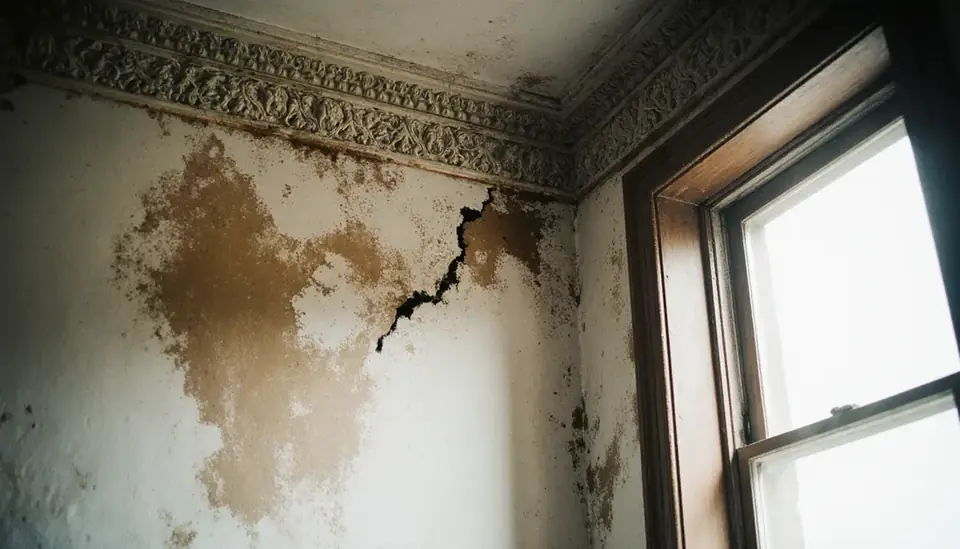
Marion sits at the edge of the Blue Ridge, about 1,330 feet up, with the young Catawba River running past town on its way to Lake James. The river rises at Evans Knob near Ridgecrest in the western end of McDowell County and drops over Catawba Falls before it reaches the valley, so storm water from the high country arrives here quickly. Helene showed how quickly in September 2024, washing away the center of Old Fort just upstream and soaking the county with more than a foot of rain.
The Restoration Job is a free referral line for McDowell County. Call (888) 317-9980, day or night, and we will connect you with an independent restoration provider that serves Marion. These providers are separate businesses with their own rates and schedules, and many respond to emergencies.
How the call works: when you call (888) 317-9980, The Restoration Job connects you with an independent restoration provider that serves Marion. That provider inspects the damage, explains the scope and quotes the work. The Restoration Job doesn't perform restoration itself. Read our referral disclosure.
Helene in McDowell County
The worst of Helene's damage in the county hit Old Fort, where the convergence of Mill Creek and the Catawba River washed the town center away and left roughly 820 residents without homes. The State Climate Office logged 15.55 inches of rain at a station west of Old Fort and 12.77 inches at a station just northwest of Marion, and landslides were reported across the county. Two people died in McDowell County, and the Baxter International manufacturing plant was flooded badly enough to halt production of IV fluids for a time.
A storm of that size can leave a Marion property with two very different problems: floodwater on low ground near the river and creeks, or a roof opened by a falling tree. Each needs a different response. Rising water calls for flood cleanup and disinfection; a tree through the roof calls for tarping, debris removal and drying of the attic and ceilings.
Main Street's Older Buildings
Downtown Marion's Main Street Historic District, listed on the National Register in 1991, includes the 1867 Marion Depot, the oldest surviving depot on the Western Rail Line, along with churches and commercial blocks rebuilt after an 1894 fire destroyed most of the wooden buildings. Brick and masonry structures like these handle water differently from newer houses.
- Masonry absorbs water and releases it slowly, so drying takes longer and needs monitoring.
- Flat or low-slope roofs with internal drains can back up during heavy rain and leak into upper floors.
- Shared walls let water travel between storefronts.
- Original plaster and wood floors can often be dried in place if work starts quickly and the water was clean.
Spring Rain, Crawl Spaces and Mold
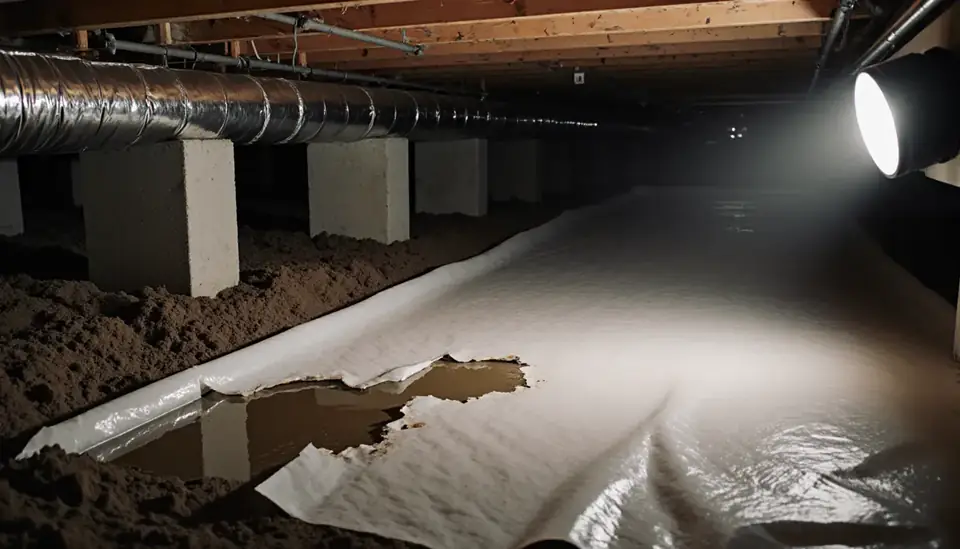
Marion averages around 54 inches of precipitation a year, and March is typically the wettest month. Long wet spells keep soil saturated against foundations, and houses on crawl spaces collect that moisture underneath. A crawl space that stays damp through spring can grow mold on joists and subflooring well before anyone smells it upstairs.
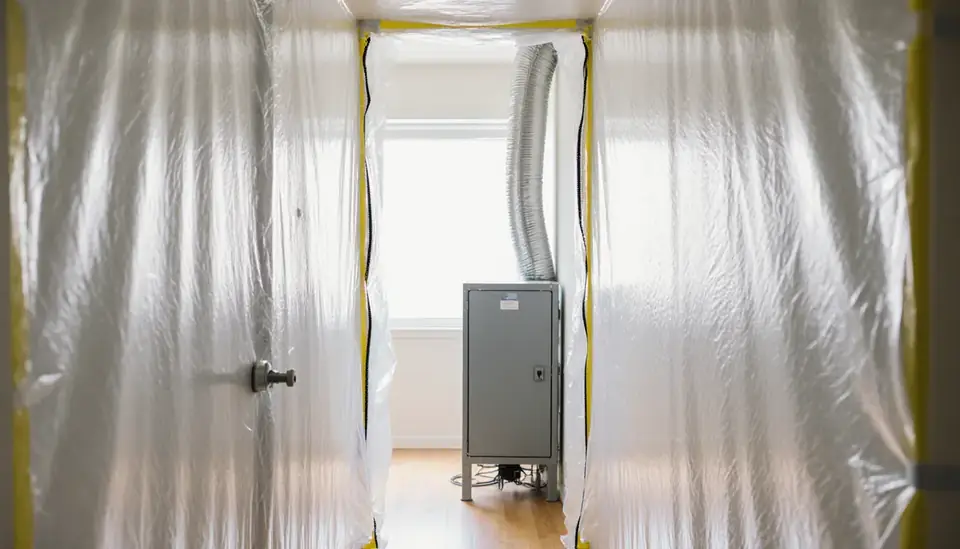
After a leak or flood, remove wet insulation and torn vapor barrier, pump out standing water, and dry the space with dehumidifiers. Visible growth over a larger area calls for mold remediation with containment, removal of affected material and drying until readings return to normal. Gutters and grading that steer water away from the house help prevent repeat problems.
What a Restoration Provider Will Check
A careful assessment after water damage in a Marion home usually covers more than the obvious wet spots. Expect the provider to find and stop the source, take moisture readings in walls, floors and the crawl space, and look for water that has wicked up drywall or traveled along framing. Thermal imaging can show cold, wet areas behind finished surfaces.
From there, the work plan sorts materials into those that can be dried in place and those that need removal. Clean-water leaks caught quickly can often be handled with extraction and drying alone. Water that sat for days, or came from a river or sewer line, usually means more removal and disinfection.
Alerts, Flood Maps and Insurance in McDowell County
McDowell County Emergency Management, on Barnes Road in Marion, coordinates disaster preparedness and response, and the county encourages residents to sign up for Nixle alerts by texting MCDOWELL911 to 888-777. The state Flood Risk Information System shows whether a property is in a mapped flood zone along the Catawba or its tributaries.
Flood damage from rising water needs a separate flood policy; standard homeowners insurance excludes it. For mountain flooding elsewhere in the state, see the North Carolina service area page, or check our page on water damage in Morganton just downstream.
Neighborhoods and Nearby Communities
Calls come in from across Marion, including:
- Downtown Marion
- Main Street Historic District
The same line also serves nearby communities such as:
- West Marion
- Old Fort
- Nebo
- Pleasant Gardens
- North Cove
- Glenwood
- Morganton
Questions From Marion Property Owners
Is flooding a risk in Marion or mainly in Old Fort?
Old Fort took the worst of Helene because of where Mill Creek meets the Catawba, but properties near the river and creeks around Marion can flood too. Check your address on the state FRIS map. Even outside mapped zones, heavy mountain rain can overwhelm drainage and send water into crawl spaces and basements, so it pays to know your risk.
How do I sign up for emergency alerts in McDowell County?
The county uses Nixle alerts. Text MCDOWELL911 to 888-777 to receive notices on your phone. Alerts give you time to move vehicles, lift valuables off the floor and leave low ground before flash flooding. McDowell County Emergency Management in Marion coordinates the county's disaster response.
Can historic downtown buildings in Marion be dried without removing original materials?
Often, yes, if the water was clean and drying begins quickly. Plaster, hardwood and masonry can usually be dried in place with careful monitoring. Floodwater or long delays change that, because contamination and mold may require removal. A restoration provider should take moisture readings and explain which materials can be saved before anything is torn out.