

Eighteen Mile Creek begins near the southwest side of Easley and follows Highway 123 toward Liberty, Norris and Central. That detail matters more than it sounds. Easley sits at about 1,011 feet near the top of several small watersheds, so it rarely sees big-river flooding, but its creeks, culverts and street drains carry a lot of water from a growing city during heavy rain. Most water damage here comes from runoff, plumbing failures and storm-driven roof leaks rather than rising rivers.
Calling (888) 317-9980 connects you, at no charge, with an independent restoration provider serving Easley and the rest of Pickens County. The Restoration Job is a referral line, not a contractor; providers set their own availability and rates, and many handle after-hours emergencies.
How the call works: when you call (888) 317-9980, The Restoration Job connects you with an independent restoration provider that serves Easley. That provider inspects the damage, explains the scope and quotes the work. The Restoration Job doesn't perform restoration itself. Read our referral disclosure.
Headwaters of Eighteen Mile, Golden and Twelve Mile Creeks
A Pickens County watershed plan places Easley in three creek systems at once. Eighteen Mile Creek starts near the southwest edge of town, Golden Creek drains parts of Easley along with Liberty and Norris, and the broader Lower Twelve Mile Creek watershed takes in Easley, Clemson, Central, Liberty, Six Mile and Norris. The same plan notes that development is concentrated along the main highways and that urbanization across these watersheds is expected to keep increasing.
More rooftops and pavement mean rain reaches creeks and storm pipes faster. The city's public works department has listed drainage projects on Bowen Avenue, Inverness Way, Morningside Drive, Lehigh Lane and Longview Terrace, including culvert rehabilitation. If water collects in your yard or street during storms, the city asks residents to report it to its stormwater staff at stormwater@cityofeasley.com.
Helene and the Pickens County Cleanup
Pickens County declared a state of emergency on September 26, 2024, as Hurricane Helene approached, and the county later coordinated storm debris removal with SCDOT. The National Weather Service in Greenville-Spartanburg recorded 7 to 13 inches of rain across much of its area from the storm and the heavy rain that came a day before it. Wind brought down trees across the Upstate and widespread power outages followed.
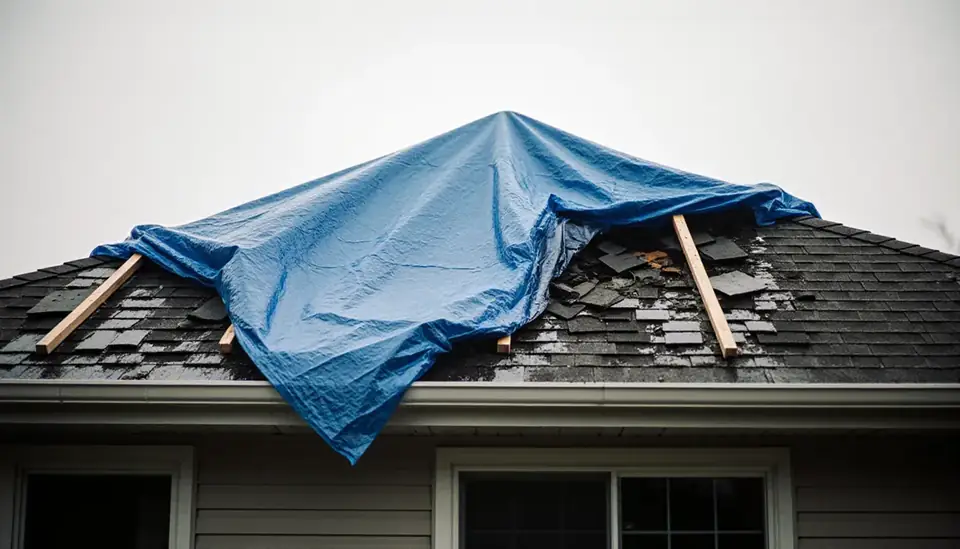
In Easley, the typical result was not a flooded first floor but a damaged roof and wet ceilings, sometimes with power out for days. That is the scenario where storm damage cleanup and interior drying need to happen together: cover the roof, pull wet insulation from the attic, open ceilings that are holding water, and get dehumidifiers running as soon as power or a generator allows.
From Mill Houses to New Subdivisions
The railroad turned Easley into a textile town, and the National Register lists Easley Mill, the Sheriff Mill Complex and nearby Arial Mill among its historic places. Houses from that era are often raised on crawl spaces with wood floors, and their plumbing has usually been replaced in pieces. Newer neighborhoods built as the city grew along U.S. 123 more often sit on slabs, with water heaters and laundry in garages or interior closets.
- Crawl-space homes: leaks and runoff collect underneath and go unnoticed until floors soften or odors rise.
- Slab homes: water spreads under flooring and wicks into the bottom of drywall and cabinets.
- Two-story homes: an upstairs supply line or toilet leak can soak ceilings and walls on both floors.
How a Restoration Job in Easley Usually Unfolds
Water damage restoration in Easley starts with stopping the source and documenting conditions with photos and moisture readings. A crew extracts standing water, then decides what stays and what goes: carpet pad and soaked insulation almost always come out, while hardwood, framing and some drywall can often be dried in place if the water was clean and the response was quick. Air movers and dehumidifiers then run for several days, with daily readings.
Runoff that came through a door or crawl-space vent counts as contaminated water, so porous materials it reached are usually removed rather than dried. For homes where water spread under flooring or into wall cavities, professional water extraction followed by structural drying gets materials dry faster than household fans.

Humidity, Septic Systems and Mold Risk
Upstate summers keep indoor humidity high, so wet drywall and insulation can start growing mold within a day or two. The watershed plan also estimates that a meaningful share of septic systems in these creek basins are failing to some degree, which is a reminder that not every backup in outlying parts of the Easley area comes from a city sewer line. Septic or sewer water inside a home is a sanitation problem first, and it should be handled with protective equipment and removal of affected porous materials. Visible growth after a leak calls for mold cleanup that addresses the moisture source, not just bleach on the surface.
Areas In and Around Easley
Calls come in from across Easley, including:
- Downtown Easley
The same line also serves nearby communities such as:
- Liberty
- Pickens
- Powdersville
- Norris
- Central
- Six Mile
Easley Water Damage Questions
Will the City of Easley fix drainage that floods my yard or crawl space?
The city handles public storm drains, pipes and culverts, and it has funded several neighborhood drainage projects. Problems coming from the city system can be reported to stormwater@cityofeasley.com. Water that reaches your foundation because of grading, gutters or downspouts on your own lot is usually the owner's responsibility. If water has already entered the home, get it dried first, then sort out the drainage cause.
Is storm runoff that came under my door covered by homeowners insurance?
Usually not. Surface water flowing across the ground and into a house is generally treated as flood damage, which standard homeowners policies exclude. Rain entering through a roof opened by wind may be handled differently. Document where the water came in, take photos before cleanup, and ask your insurer how they classify it. Flood coverage is a separate policy, often through the National Flood Insurance Program.
How long does drying usually take in an Easley home?
For a clean-water leak caught quickly, drying often takes three to five days of equipment running, confirmed by moisture readings. Crawl spaces, hardwood floors and humid summer weather can stretch that. Water left sitting for several days, or runoff that requires removing materials, adds demolition and rebuild time. A provider should explain how they will measure dryness rather than giving a fixed number of days.
Can I get help in Easley outside business hours?
Yes, the referral line at (888) 317-9980 answers 24/7 and will try to connect you with an independent provider that covers Pickens County. Many offer emergency calls, but availability depends on the provider and on how busy the region is after a storm. While you wait, shut off the water supply, turn off power to wet areas if it is safe to do so, and move valuables off wet floors.