
Simpsonville added more than 5,000 residents between 2010 and 2020, growing from 18,238 to 23,354 people, and the growth has continued since. Much of that growth arrived as new subdivisions around what had been a small mill town. The town itself was incorporated in 1901, the same year Woodside Mill opened and became its largest employer, and the oldest brick building in the city, a former pharmacy on East Curtis Street, dates to 1886. So the housing ranges from century-old storefronts and mill-era cottages near downtown to homes that are only a few years old.
Through The Restoration Job, callers reach independent restoration providers serving Simpsonville and the rest of southern Greenville County. The line at (888) 317-9980 is free and open 24/7. Providers set their own pricing and schedules, and many offer emergency service.
How the call works: when you call (888) 317-9980, The Restoration Job connects you with an independent restoration provider that serves Simpsonville. That provider inspects the damage, explains the scope and quotes the work. The Restoration Job doesn't perform restoration itself. Read our referral disclosure.
New Construction Is Not Leak-Proof
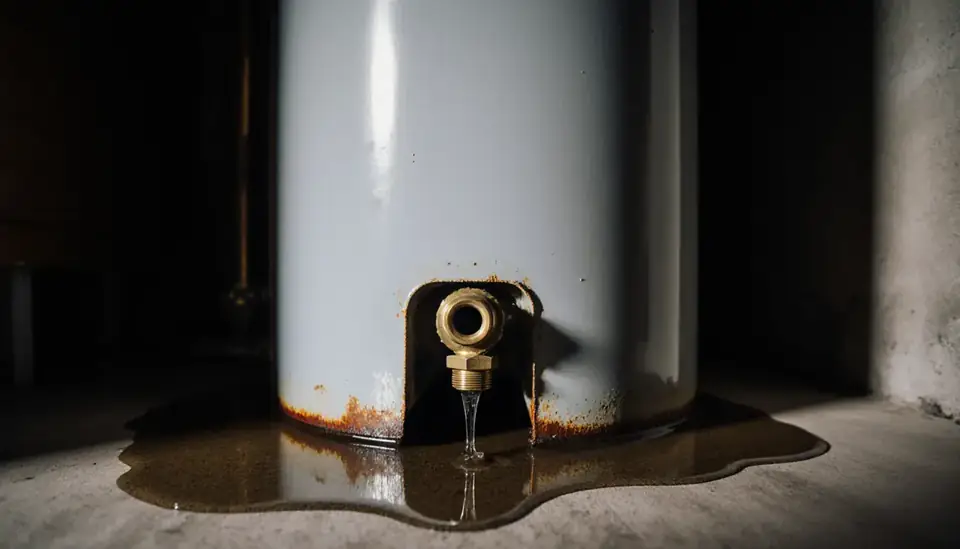
Newer homes have modern plumbing, but they also pack a lot of water-using equipment into finished space: second-floor laundry rooms, tank water heaters in garages or attics, ice makers, and HVAC air handlers in the attic with condensate lines running across the ceiling. Those are the sources behind a large share of indoor water damage in Simpsonville's subdivision homes. A clogged condensate drain can overflow quietly for days, and a burst washer hose upstairs can soak the ceiling and walls below within minutes.
- Check washer hoses and replace rubber ones with braided lines.
- Make sure the attic air handler has a drain pan and a working float switch.
- Know where the main shutoff is, often in the garage or at the meter by the street.
- Look at the water heater's age and the condition of its drain pan.
Downtown's Older Buildings Around Curtis Street
The older core of town near East Curtis Street, where that 1886 pharmacy building still stands, includes buildings that predate modern codes. Water in these structures often moves through gaps in older floors and walls, and aging roofs and gutters are a common weak point during heavy rain. When a leak hits an older building, moisture mapping with meters and thermal imaging helps find where the water traveled before anything is torn out. Professional water damage restoration in these buildings is often as much about tracing hidden water as it is about removing it.
Helene, Heavy Rain and Roof Damage
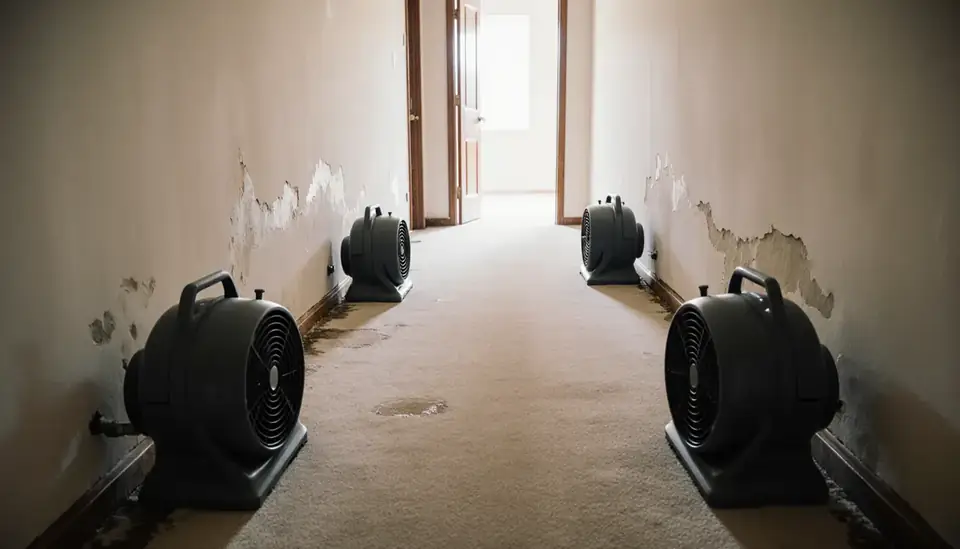
Helene's remnants dropped 4.46 inches of rain on the Greenville-Spartanburg airport on September 27, 2024, setting a record for the date. Six people died across Greenville and Spartanburg counties combined, and more than 1.3 million South Carolina customers were left without power. In Simpsonville neighborhoods with mature trees, falling limbs opened roofs, and rain did the rest. Long outages delayed drying, which is how a roof leak becomes a mold problem.
When rainwater has come in, water extraction is the first step, followed by removing wet ceiling drywall and insulation and drying the framing with dehumidifiers. Keep photos and receipts for anything you do before the adjuster arrives.
Flood Coverage and County Programs
Standard homeowners insurance does not cover rising floodwater, even when it comes from a small creek or a yard that drains toward the house. Greenville County participates in the National Flood Insurance Program's Community Rating System, which the county says gives residents a 15 percent discount on flood policies. The county's floodplain administration office also offers access to its 2021 flood maps and runs a Residential Elevation Grant Program. Check FEMA's flood maps for your address before assuming you are outside a risk area.
Mold After a Leak in a Humid Summer
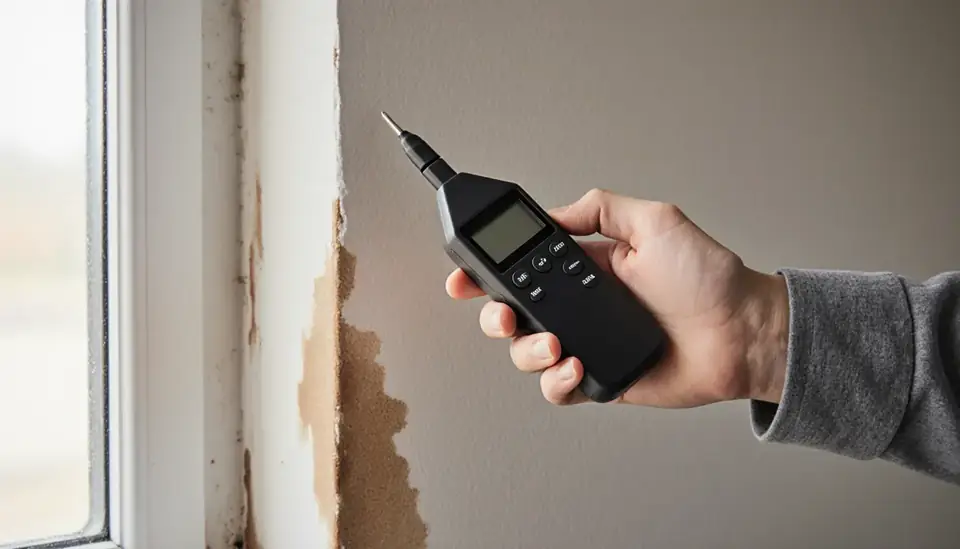
Summers in Simpsonville are warm and muggy, and a house closed up with wet carpet pad or drywall will grow mold quickly, often within two days. Hidden areas behind baseboards, under cabinets and inside wall cavities are where it usually starts. If you notice a musty smell after a leak has been fixed, have the area checked with a moisture meter. Mold remediation typically involves containment, removing affected porous materials, cleaning and drying, and a final moisture check.
Simpsonville Neighborhoods and Surrounding Towns
The same line also serves nearby communities such as:
Common Questions
Does my HOA cover water damage in my Simpsonville home?
Usually not for the inside of a detached single-family home. HOAs in subdivisions typically handle common areas, and the city notes HOAs handle things like custom subdivision street signs. Townhome and condo associations may insure some exterior or structural elements, so read your governing documents. Report damage to your own insurer, and let the association know if a shared wall or roof is involved.
Who handles sewer or storm drain problems in Simpsonville?
Simpsonville's Public Works department lists sanitary sewer and storm water among its services, along with streets and sanitation, and can be reached at 864-967-9531. Problems on your side of the property line, such as a blocked private sewer lateral or a clogged yard drain, are usually the owner's responsibility. If sewage has backed up into the house, treat it as contaminated and avoid running fans in the area.
How long does it take to dry a house after a burst pipe?
For a clean-water leak caught early, drying commonly takes several days, with equipment running continuously and moisture readings taken daily. Larger losses, hardwood floors, or water that sat for a while can take longer and may require removing materials. The schedule depends on what got wet, so ask the provider to show you their readings as drying progresses.