

By mid-October 2024, the City of Greenwood was running storm debris collection routes through its neighborhoods, and city council later approved permit fee waivers and refunds for properties damaged by Hurricane Helene. Greenwood County kept landfill fees waived for storm debris until March 2025. Those measures give a sense of how much repair work the storm left behind in the Lakelands, where downed trees, punctured roofs and days without power turned ordinary rain into indoor water damage.
There is no charge to use The Restoration Job, which only refers callers. Call (888) 317-9980 any time and we will connect you with an independent restoration provider that serves Greenwood, Lake Greenwood and the surrounding county. Each provider sets its own rates and schedule, and many offer emergency response.
How the call works: when you call (888) 317-9980, The Restoration Job connects you with an independent restoration provider that serves Greenwood. That provider inspects the damage, explains the scope and quotes the work. The Restoration Job doesn't perform restoration itself. Read our referral disclosure.
What Helene Left Behind in the Lakelands
The National Weather Service in Greenville-Spartanburg reported that Helene brought 7 to 13 inches of rain to much of the Upstate on September 27, 2024, along with frequent gusts of 55 to 70 mph. More than 1.3 million South Carolina customers lost power, and one death in Greenwood County was attributed to the storm. Wind like that brings water indoors in predictable ways: limbs through roofs and porches, siding torn loose, and rain driven under lifted shingles.
Roof damage from a single storm can keep causing problems for months if the attic insulation stays wet or a temporary tarp shifts. If you patched a roof quickly after Helene and later noticed ceiling stains, it is worth having the attic checked. Storm damage cleanup after a tree strike usually includes tarping, removal of soaked insulation and ceiling drywall, and drying the framing before repairs.
Greenwood Mill Village and Older Houses Near Uptown
The town grew around the railroad that arrived in 1852 and then around textiles after the Greenwood Cotton Mill opened in 1890. The Greenwood Mill Village Historic District, roughly bounded by West Cambridge Avenue, Hampton Avenue, Mill Avenue, Kitson Street, Maxwell Avenue and North Mathis Street, preserves rows of mill houses from that era. Elsewhere near Uptown and Lander University, individually listed historic houses such as Sunnyside on Dargan Avenue and the Vance-Maxwell House on East Cambridge Street sit among other older homes.
- Raised floors over crawl spaces mean leaks often pool below the house unseen.
- Galvanized and cast-iron lines in older homes tend to fail at joints and fittings.
- Heart-pine floors and plaster can often be dried rather than replaced if drying begins quickly.
Lake Greenwood Homes and Seasonal Properties
Lake Greenwood, created by the Buzzard's Roost Dam on the Saluda River in the 1930s, has about 212 miles of shoreline roughly eight miles northeast of the city. Lake houses and second homes there carry their own water risks. Properties that sit empty for weeks can have a supply line burst or a water heater fail with no one around to notice, and boathouses, decks and lower levels close to the water face moisture problems that inland homes do not.
During Helene, the Saluda River upstream at Greenville crested at 20.26 feet, above its 1949 record, before flowing toward the lake. For waterfront owners, a smart water shutoff valve, a leak sensor and a neighbor with a key are inexpensive protection. Check the FEMA flood map for your parcel as well, since flood coverage is separate from a homeowners policy.
First Steps After an Indoor Leak in the Lakelands
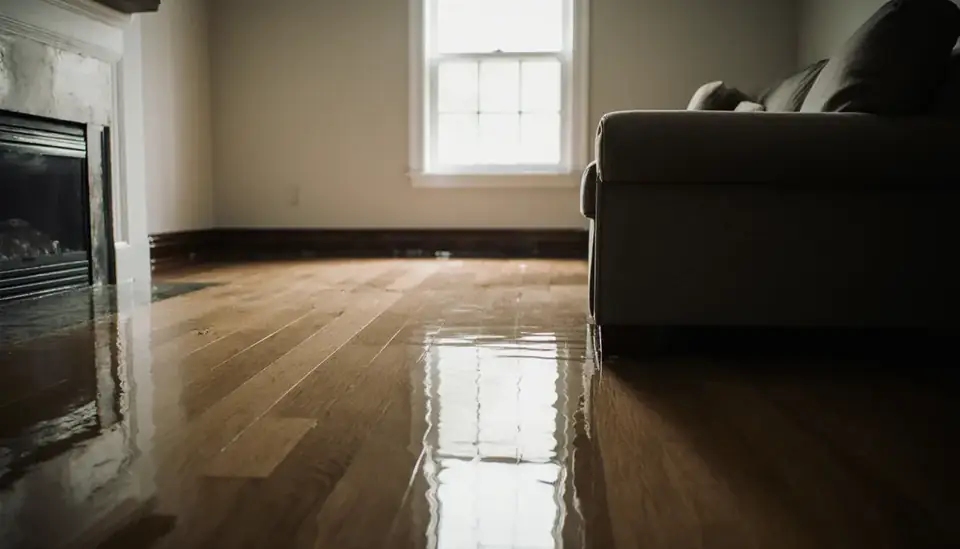
Most indoor water damage starts with something ordinary: a supply hose, a water heater, an ice maker line or a clogged condensate drain on an air conditioner that runs hard all summer. Shut off the water at the main, turn off power to wet areas if it is safe, and move furniture and rugs off wet floors. Then call for help early. Water damage restoration is most effective when it starts within the first day or two, before moisture wicks up walls and into cabinets.
If you are repairing storm damage, check with the city's building inspection office about permits for roofing, framing or electrical work. The city has offered fee relief programs after past storms, so it is worth asking what is currently available.
Mold Risk in the Humid Lower Piedmont
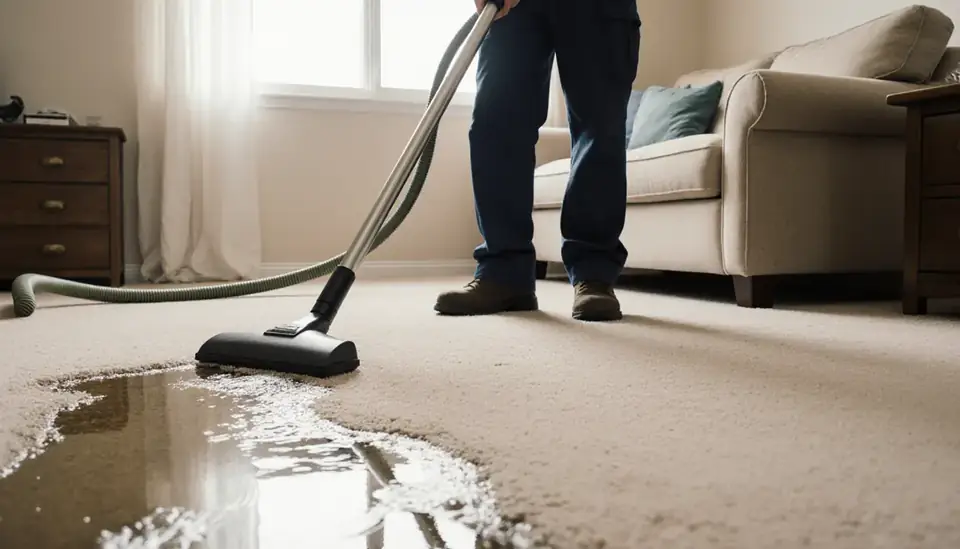
The city averages about 42 inches of precipitation a year, and July temperatures average near 79 degrees, which keeps indoor humidity high whenever the air conditioning is off. Wet drywall, carpet pad and wood can grow mold within 24 to 48 hours under those conditions. After any significant leak, the goal is to dry materials thoroughly and confirm the results with a moisture meter. If you already see growth, containment and removal of affected material is the reliable fix.
Greenwood Neighborhoods and Surrounding Towns
Calls come in from across Greenwood, including:
- Uptown
- Greenwood Mill Village
The same line also serves nearby communities such as:
- Ninety Six
- Hodges
- Ware Shoals
- Troy
- Abbeville
- Laurens
Frequently Asked Questions
How do I get emergency alerts in Greenwood County?
Greenwood County Emergency Management uses the Genasys (GEM) mass notification system. You can register through the link on the county's emergency management page to receive alerts by landline, cell phone, text or email, and a Spanish-language option is available. Signing up before storm season gives you time to secure property and check sump pumps and generators.
I still have ceiling stains from Helene. Is it too late to deal with them?
It is not too late to find out what is going on. Stains that grow or return after painting usually mean the roof is still leaking or insulation above is holding moisture. A provider can check with a moisture meter and thermal camera. Insurance deadlines for Helene claims may have passed, so reread your policy and any correspondence with your insurer before assuming coverage.
What should Lake Greenwood homeowners do before leaving a property empty?
Shut off the main water valve or install an automatic shutoff with leak sensors, set the thermostat to keep the house from freezing or overheating, and ask someone to check on it after storms. Clear gutters before you leave. Many expensive water losses at lake homes come from a small leak that ran for days before anyone saw it.