
Lyman grew up around a single employer. Pacific Mills bought more than 700 acres here in 1923 and by 1927 had built 375 houses for its workers alongside the Lyman Printing and Finishing Mill. The mill is gone, but many of those company-built homes still line the streets of this western Spartanburg County town, and they handle water very differently from the newer houses going up around them. Add the Middle and South Tyger rivers on either side of town and the occasional tropical system pushing inland, and Lyman has a fairly specific set of water problems.
The Restoration Job does not send crews of its own; it runs a free referral line that answers around the clock. Call (888) 317-9980 and we will connect you with an independent restoration provider that works in Lyman and the surrounding part of Spartanburg County. Each provider sets its own schedule and pricing, and many offer emergency service.
How the call works: when you call (888) 317-9980, The Restoration Job connects you with an independent restoration provider that serves Lyman. That provider inspects the damage, explains the scope and quotes the work. The Restoration Job doesn't perform restoration itself. Read our referral disclosure.
Between the Middle and South Tyger Rivers
The Tyger River starts as three separate forks in Spartanburg County that run southeast and finally meet near Woodruff. Two of them frame Lyman. The U.S. Geological Survey keeps stream stations on the Middle Tyger River at Lyman and below Lyman Lake, and on the South Tyger River just below town. These are small, shallow rivers most of the year, which makes it easy to forget how fast they and their feeder creeks rise during a long, heavy rain.
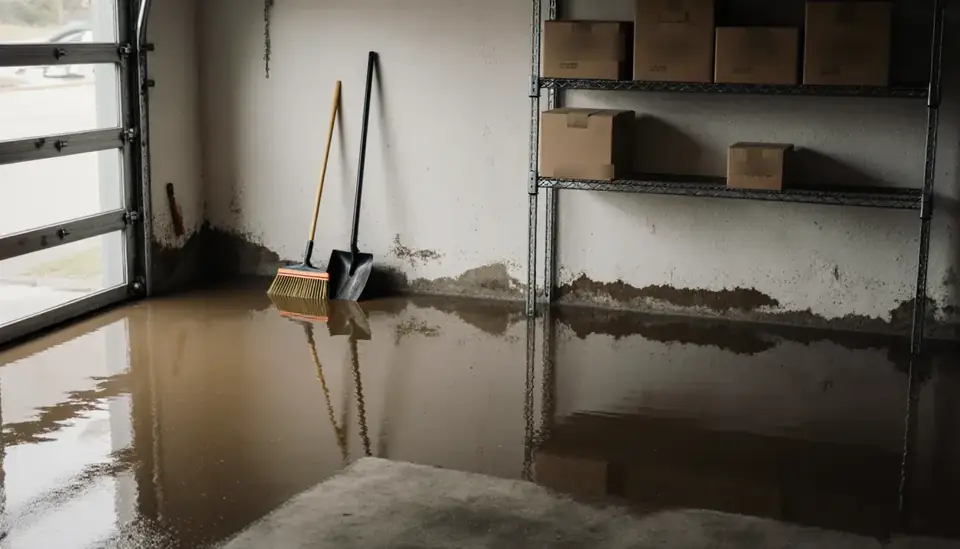
At about 784 feet in elevation, most of town sits above the river bottoms, so the more common problem is runoff rather than river flooding: water running down a driveway into a garage, pooling against a foundation, or finding its way into a crawl space through vents and low spots. Homes on lower lots near either fork deserve a look at the FEMA flood map before you assume you are outside a hazard area.
What Helene Taught Spartanburg County
Hurricane Helene arrived in the Upstate in late September 2024 after a separate band of heavy rain had already soaked the ground on September 25 and 26. The National Weather Service office in Greenville-Spartanburg reported storm totals of 7 to 13 inches across much of its area west of U.S. 321. Spartanburg County was among the counties where the storm caused deaths, and South Carolina had more than 1.3 million power customers in the dark, more than any other state the storm touched.
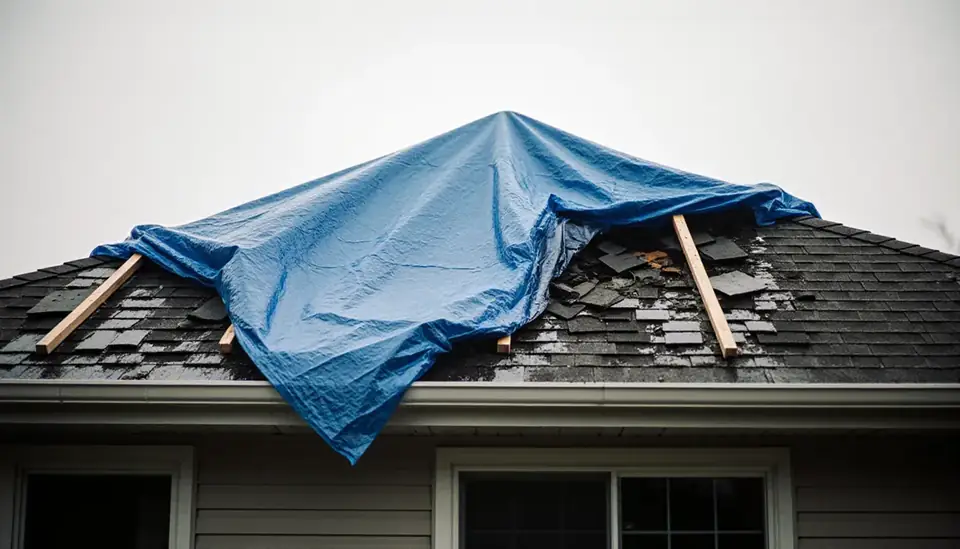
For a house in Lyman, that combination meant falling trees opening roofs, rain pouring into attics, and then days without electricity to run fans or sump pumps. When storm damage is the cause, the usual order of work is tarping or boarding the opening, removing soaked insulation and ceiling drywall, and drying framing before anything is closed back up. Storm damage cleanup that skips the drying step tends to show up later as stains, odors and sagging ceilings.
Mill Village Houses and Hidden Leaks
The houses Pacific Mills built in the 1920s are now roughly a century old. Homes of that age usually sit on piers or crawl spaces, with wood subfloors and plumbing that may have been patched several times over the decades. They tend to hide slow leaks well: a dripping drain under a bathroom can soak a joist for months before the floor feels soft. Newer houses around town, mostly on slabs or closed crawl spaces, show water at baseboards and carpet edges instead.
- After heavy rain, check the crawl space for standing water or insulation hanging down.
- Look for staining on ceilings below upstairs bathrooms and around water heaters.
- In older homes, ask whether supply lines are galvanized, copper or plastic; age and material change how likely a failure is.
Small leaks caught early are a water damage repair job. Leaks found late often involve replacing subfloor and treating framing.
Drying Out a Lyman Home Step by Step
Most water damage restoration in Lyman follows the same broad sequence, adjusted for the building. The water source is stopped first: a supply valve, a failed water heater, a roof opening. Standing water is extracted, and the crew maps moisture through walls and floors with meters rather than guessing. Wet carpet pad, saturated insulation and drywall that wicked water from the floor are usually removed, while framing and subfloors are dried in place with air movers and dehumidifiers.
Water that came from a river, creek or overland runoff is treated as contaminated, and porous materials it touched normally go to the curb. Clean-water leaks from supply lines allow more to be saved if drying starts quickly. A provider should take readings each day and only close walls when materials are back to normal dry levels.
Upstate Humidity and Mold in Crawl Spaces
Spartanburg County summers are long and humid, and a crawl space that took on water can stay damp for weeks if it is left to air out. That is where mold usually starts in this area: on joists, the underside of the subfloor and the paper facing of fiberglass insulation. Once growth is visible, mold cleanup means containing the area, removing what cannot be cleaned and drying the space so it does not come back. Vapor barriers, working vents or a dehumidifier help keep moisture down afterward. If the problem has spread, a mold remediation provider can scope the work.
Lyman Neighborhoods and Surrounding Towns
The same line also serves nearby communities such as:
- Wellford
- Duncan
- Reidville
- Startex
- Greer
Common Questions
Does living near the Middle or South Tyger River mean I need flood insurance?
Proximity alone does not require it, though a quick check makes sense. Standard homeowners policies exclude flooding from rivers, creeks and surface runoff, and those are the realistic flood sources around Lyman. Look up your address on the FEMA Flood Map Service Center, and remember that many flood claims come from properties outside mapped high-risk zones. A National Flood Insurance Program policy usually has a waiting period, so it cannot be bought once rain is already forecast.
My older Lyman house has a damp crawl space after every storm. Is that water damage?
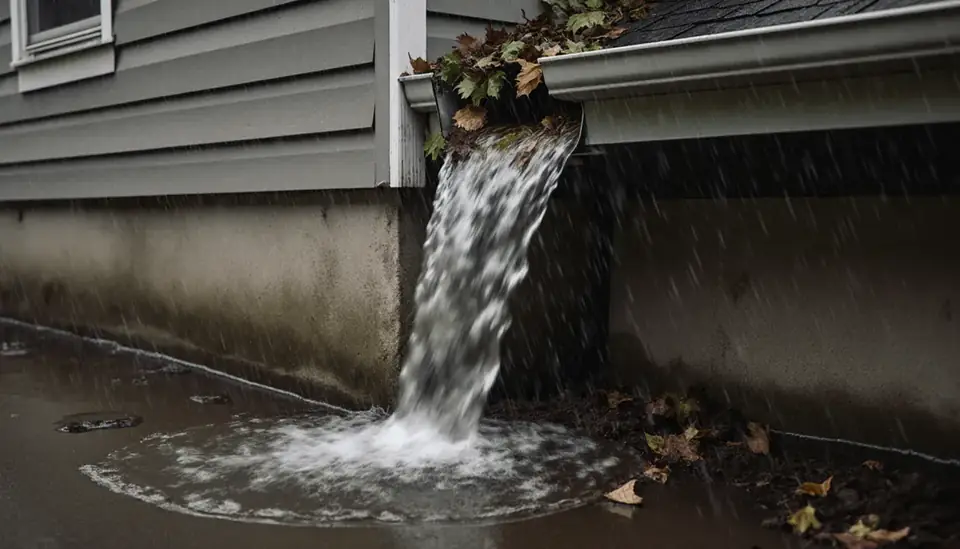
It can become water damage if the moisture sits there. Repeated wetting after rain usually points to grading, gutters or downspouts sending water toward the foundation, or vents letting runoff in. Wet insulation, soft subfloor or a musty smell upstairs are signs it has gone beyond normal dampness. A restoration provider can dry the space and measure the framing, and a drainage fix outside often prevents it from recurring.
Who should I call first after a tree falls on my roof?
If anyone is hurt or there is a gas smell or downed power line, call 911 and Duke Energy before anything else. Then contact your insurer and photograph the damage. You can call (888) 317-9980 to be connected with an independent provider for emergency tarping, water extraction and drying. Getting the roof covered quickly keeps a wind problem from turning into a ceiling and insulation problem.