

Clemson has a median age of 24, which says a lot about who is living in its housing. With a major university next door, many apartments and houses are leased to students, and water damage in a rental raises questions a homeowner never has to think about: who calls whom, who pays, and how fast anyone acts while the lease-holder is away for a weekend or a semester break. The city also runs along the edge of Lake Hartwell, and it sits close enough to the Blue Ridge foothills that tropical rain and thunderstorms arrive with some force.
The Restoration Job is a free, 24/7 call-connection service. Dial (888) 317-9980 and we will put you in touch with an independent restoration provider that covers Clemson and the surrounding parts of Pickens and Anderson counties. Providers handle their own estimates and scheduling, and many take emergency calls.
How the call works: when you call (888) 317-9980, The Restoration Job connects you with an independent restoration provider that serves Clemson. That provider inspects the damage, explains the scope and quotes the work. The Restoration Job doesn't perform restoration itself. Read our referral disclosure.
Leaks in Student Rentals and Apartment Buildings
The most common Clemson water call is not a flood. It is an upstairs unit's toilet, washer hose or dishwasher line that lets go and sends water through the ceiling below, or a leak that went unnoticed because tenants left town. In multi-unit buildings, water travels along floor framing and through shared walls, so the damage is often wider than what shows on the ceiling.
- Tenants: shut off the water if you can, photograph everything, and notify the landlord or property manager in writing right away.
- Landlords: get moisture readings in the neighboring units too, not just the one where the leak started.
- Renters' own belongings are generally covered by renters insurance, not the owner's policy, so check yours before you need it.
Fast water extraction limits how far water spreads between units.
Life Along Lake Hartwell and the Seneca River
Lake Hartwell, a U.S. Army Corps of Engineers reservoir finished in 1963, was authorized under the Flood Control Act of 1950 and has a normal full pool of 660 feet. When it was planned, Clemson College objected that the impounded water would damage its property, including Memorial Stadium. The settlement produced two diversion dams near campus that rechannel the Seneca River around university land, so part of the area's low ground exists today because of engineered protection.
Lake levels are managed and swing within a fairly narrow range; the recorded high was 665.4 feet in April 1964. For lakefront and low-lying homes, the bigger everyday risks are stormwater running downhill toward the shoreline, wet crawl spaces and basements on sloped lots, and roof leaks during storms. Check your address on the FEMA flood map before assuming any lakeside property is outside a hazard area.

Rainfall, Creeks and Helene's Upstate Toll
Clemson averages a little over 52 inches of precipitation a year, with August and February the wettest months, so summer thunderstorms and winter soaking rains both play a part. Part of the city drains to Twelve Mile Creek, whose lower watershed also takes in Central, Easley, Liberty, Six Mile and Norris.
Hurricane Helene in September 2024 showed what a large tropical system can do this far inland. The National Weather Service in Greenville-Spartanburg reported 7 to 13 inches of rain across much of the region, including a separate soaking the day before Helene arrived, and gusts of 72 mph were recorded in nearby Anderson. Fallen trees and long power outages were the main problems, and roof openings let rain into attics and upper floors.
What Drying a Clemson Unit or House Involves
Restoration starts with stopping the water and documenting the damage, which matters in rentals where an owner, a tenant and possibly an association all have a stake. A provider will extract standing water, remove wet carpet pad and any drywall or insulation that cannot be dried, and set air movers and dehumidifiers. Daily moisture readings show when framing and subfloor are dry enough to rebuild.
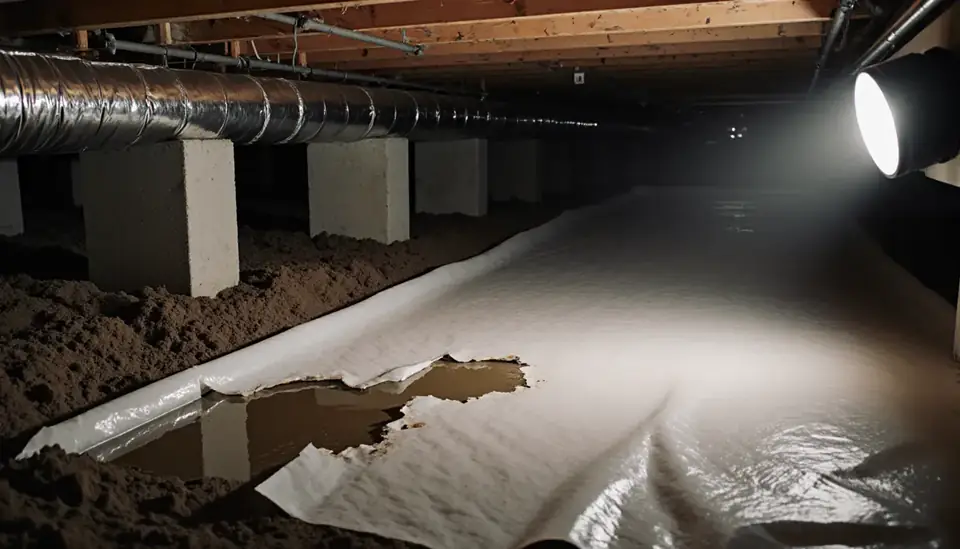
In older Clemson houses with crawl spaces, the work often extends under the floor, where insulation may need to come down. In slab-built apartments, water spreads under vinyl plank and into the bottom of drywall and cabinets. Water damage repair such as new drywall, trim and flooring follows once drying is confirmed, not before.
Mold After Semester Breaks
Upstate humidity is high from late spring into fall, and a leak that runs for a week while a unit sits empty gives mold plenty of time to establish itself. Musty smells, spotting on drywall near baseboards, or growth under sinks and around HVAC closets are common signs. Mold removal in Clemson rentals generally means fixing the leak, containing the affected area and removing materials that cannot be cleaned, then drying the space. Anyone with health concerns should talk to a medical professional; a mold remediation provider handles the building side.
Areas In and Around Clemson
The same line also serves nearby communities such as:
Questions From Clemson Property Owners
A leak in the apartment above soaked my Clemson unit, so who pays to dry it out?
In most Clemson rentals, the property owner or manager is responsible for the building, including drywall, flooring and drying, while your own belongings fall under your renters insurance. Notify the landlord in writing, photograph the damage, and keep a record of dates. If the building is a condo, the association may share responsibility for common pipes and structure, depending on its governing documents.
Does Lake Hartwell flood homes in Clemson?
The lake is a managed Corps of Engineers reservoir and its level stays within a limited range, so lake flooding of homes is uncommon. Water damage near the shoreline more often comes from stormwater running downhill, wet crawl spaces on sloped lots and storm-damaged roofs. Low-lying properties should still check FEMA flood maps, since standard homeowners policies exclude flood damage.
What should I do if I discover a leak after coming back from break?
Shut off the water at the fixture or main, switch off power to any wet areas if it is safe, and take photos before moving anything. Notify your landlord right away, since water that has been sitting for days usually needs professional drying and possibly mold work. You can call (888) 317-9980 any time to be connected with an independent provider serving Clemson.