
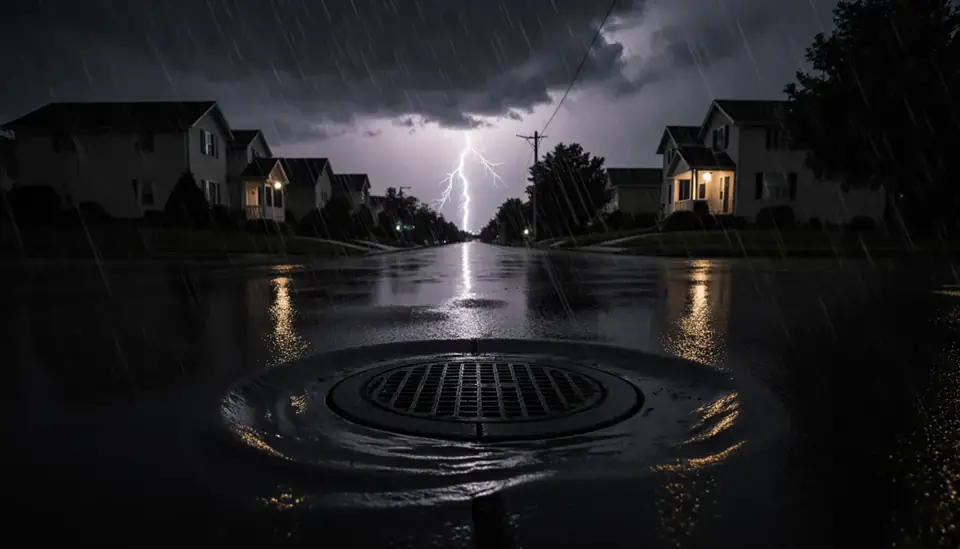
Lexington became the county seat in 1820 precisely because it was supposed to be safer: chronic flooding at Granby, down on the Congaree, pushed the courthouse to higher ground about a dozen miles west of Columbia. Nearly two centuries later, the October 2015 storm proved that higher ground has its own hazards. The National Weather Service reported that multiple dam failures on Twelvemile Creek sent floodwater into town and on toward the Saluda River, destroying homes, businesses and parks along the way.
Help is a phone call away through The Restoration Job, a free call-connection service with no crews of its own. Ring (888) 317-9980 day or night and we will link you with an independent restoration provider that covers Lexington and the surrounding county. Each provider quotes and schedules its own work, and many respond to emergencies.
How the call works: when you call (888) 317-9980, The Restoration Job connects you with an independent restoration provider that serves Lexington. That provider inspects the damage, explains the scope and quotes the work. The Restoration Job doesn't perform restoration itself. Read our referral disclosure.
Twelvemile Creek, Fourteenmile Creek and the Ponds Between
Two creeks frame the town. Fourteenmile Creek drains the north side and Twelvemile Creek the south, both running northeast to the Saluda. Small dams along them create the ponds that residents know as parks, including Gibson Pond off Gibson Road and the Old Mill Pond on East Main Street. In 2015 those dams became the problem: Gibson Pond, Old Mill Pond and Barr Lake were among the Lexington County dams that failed, sending a pulse of water down Twelvemile Creek. Gibson Pond Park reopened in 2021, and the Old Mill dam was rebuilt in 2022.
The takeaway for owners is that flood risk here can depend on what happens at an upstream dam, not just how much rain falls on your roof. Homes and businesses near the creek corridors and below the ponds deserve a close look at FEMA flood maps and insurance options.
A Town That Tripled in Twenty Years
Lexington had about 9,800 residents in 2000 and more than 23,500 by 2020, with some 3,200 new homes built inside town limits since 2005. A large share of the housing stock is therefore relatively new. Newer does not mean leak-free, though, and recently built homes have their own typical failure points:
- Attic air handlers whose condensate pans overflow when a drain line clogs, staining ceilings below.
- Ice-maker and washing-machine supply lines that split behind appliances.
- Water heater leaks in garages that run under the wall into finished rooms.
- Grading and gutter issues on new lots that let rainwater collect against the foundation.
The First Hours After a Leak in a Newer Home
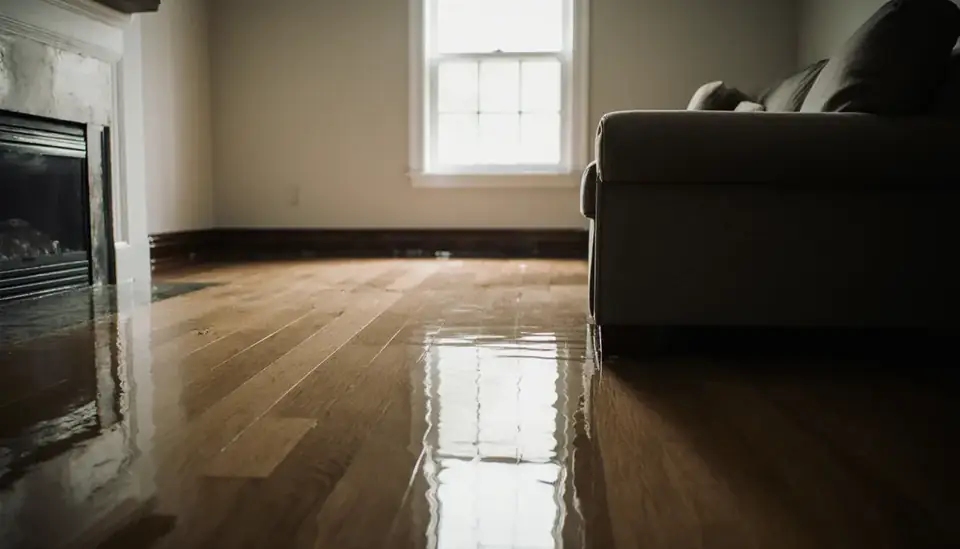
Turn off the main water valve if the source is plumbing, and switch off power to any room where water is near outlets or cords. Photograph the damage before moving belongings. Then get standing water out quickly; drywall and engineered flooring absorb water within hours. A provider will usually measure moisture in walls and floors, remove saturated pad and baseboards, and set up air movers and dehumidifiers. In slab homes, water often travels under laminate or vinyl plank flooring farther than it appears, so readings across the whole room matter. The water damage restoration page explains each stage in more detail.
Lake Murray Storms and Wind Damage
The 1.7-mile Saluda Dam that holds back Lake Murray sits about five miles north of town, but for most residents the bigger storm threat is wind and falling trees rather than the lake itself. When Hurricane Helene moved through in September 2024, the National Weather Service recorded gusts of 70 to 80 mph in Lexington County, with 41 homes damaged and three destroyed, mostly from fallen trees and power lines. Once a limb opens a roof, rain does the rest, soaking attic insulation and ceilings. Quick tarping and storm damage cleanup limit how far water spreads. The county's emergency management office maintains a road closure map and CodeRED alert sign-up for these events.
Keeping Mold Out of Newer Construction
Modern homes are built tighter than older ones, which saves energy but also traps moisture after a leak. In a humid Midlands summer, wet drywall and the paper backing on insulation can start growing mold within a couple of days if air is not moving and humidity is not controlled. Run the air conditioning, keep doors to wet rooms open, and make sure any wet insulation in walls or the attic is removed rather than left to dry on its own. Spots that keep returning usually mean a hidden moisture source, which is where mold remediation combined with leak repair comes in.
Where Callers in the Lexington Area Are
The same line also serves nearby communities such as:
- Red Bank
- Oak Grove
- White Knoll
- Gilbert
- Pine Ridge
- Chapin
- West Columbia
- Irmo
Common Questions
My subdivision is near one of Lexington's ponds. How worried should I be about a dam failure?
The 2015 storm showed that small dams on Twelvemile Creek can fail in extreme rain and send water downstream quickly. Several have since been rebuilt, but no dam removes all risk. Check your address on the FEMA flood map, ask your insurance agent about flood coverage, and sign up for Lexington County's CodeRED alerts so you get warnings during heavy rain.
Why is my ceiling stained when it hasn't rained?
Many newer homes place the HVAC air handler in the attic. If its condensate drain clogs, the overflow pan can fill and spill onto the ceiling below, especially in summer when the system runs constantly. Shut the system off, check the pan and drain line, and have the wet drywall and insulation evaluated before mold sets in.
Is flood damage from a broken dam covered by my homeowners policy?
Usually not. Water that arrives from outside over the ground, whatever started it, is generally treated as flood and requires a separate flood policy. Damage from a burst pipe or roof leak is handled differently. Read your policy, document the damage with photos, and talk with your agent or adjuster before major demolition.
Can I get help on a weekend or holiday?
The (888) 317-9980 line operates around the clock, every day. We connect you with an independent provider serving Lexington, and many providers take emergency jobs on weekends and holidays. Arrival times depend on the provider and on how many calls are coming in, which climbs sharply after regional storms.