
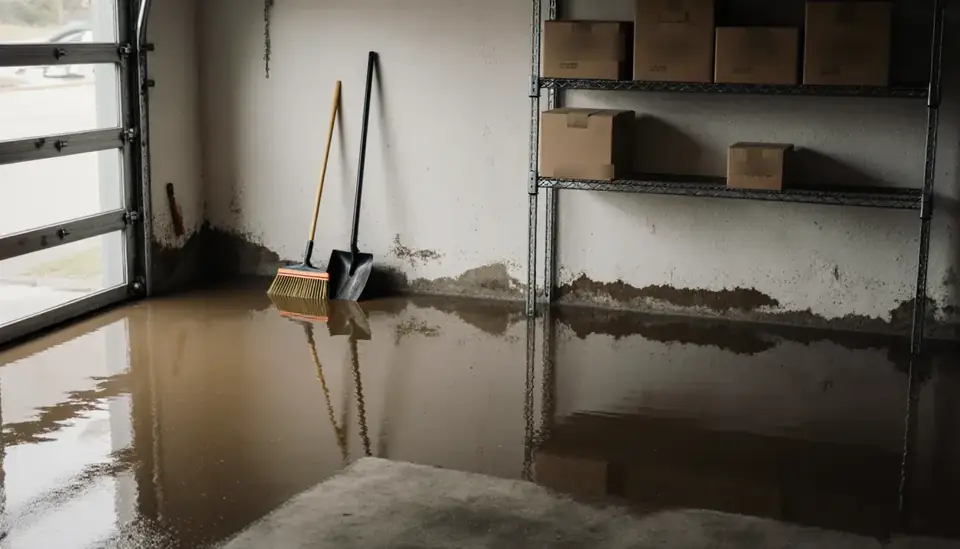
The Saluda River forms the southwest edge of Seven Oaks, a Lexington County community of about 14,600 people tucked between Irmo and the Columbia city limits, roughly eight miles from downtown. Interstates 20 and 26 both run through it, and neighborhoods such as Challedon, Whitehall, Grenadier and Woodland Hills make up much of the housing. At around 217 feet, the area sits noticeably lower than neighboring St. Andrews across the county line, which matters when heavy rain drains toward the river.
The Restoration Job connects callers with independent restoration companies; it does not employ crews or perform work. Call (888) 317-9980 any time of day and we will put you in touch with a provider that serves Seven Oaks. Each company quotes its own rates, and many answer after-hours emergencies.
How the call works: when you call (888) 317-9980, The Restoration Job connects you with an independent restoration provider that serves Seven Oaks. That provider inspects the damage, explains the scope and quotes the work. The Restoration Job doesn't perform restoration itself. Read our referral disclosure.
Living Downstream of the Saluda Dam and Lake Murray
Upstream of Seven Oaks, the Saluda Dam holds back Lake Murray, a reservoir of roughly 50,000 acres that spans four counties. The earthen dam, finished in 1930, is about a mile and a half long and 220 feet high. Below it, the lower Saluda runs past Seven Oaks and West Columbia before joining the Broad River at Columbia to form the Congaree.
For most homes here the river itself is not the daily concern. The more common problem is stormwater from higher ground working its way downhill through yards, ditches and small drainage channels toward the Saluda. Lots that back up to wooded draws or sit at the bottom of a street tend to see water first. Checking your lot on the FEMA Flood Map Service Center is a good start, but it will not show every low spot that collects runoff in a cloudburst.
Lexington County's Experience in the 2015 Flood and Helene
During the October 2015 rain event, the National Weather Service recorded 10.28 inches over two days at Columbia Metropolitan Airport, and several small dams in Lexington County gave way, including Gibson Pond Dam on Twelve Mile Creek in the town of Lexington. Lexington County was among the counties designated a federal disaster area afterward.
Nine years later, Hurricane Helene brought a different kind of damage. NWS Columbia reported wind gusts of 70 to 80 mph in Lexington County, with many trees and power lines down, three homes destroyed and 41 others damaged. Wherever large trees stand over a house in Seven Oaks, a roof can be opened up in a single gust, letting rain into attics and ceilings for hours before anyone can tarp it. For that kind of event, storm damage cleanup usually starts with securing the roof before any interior drying begins.
Crawl Spaces, Slabs and Plumbing in Established Subdivisions
Houses in a long-settled suburb like Seven Oaks come in a mix of foundation types, and each fails differently when water gets in.
- Crawl spaces: a leaking supply line or drain under the floor can run for weeks before anyone notices a soft spot or musty smell. Wet insulation hanging from the joists holds moisture against the subfloor.
- Slab-on-grade: water spreads under flooring and wicks into the bottom of drywall and baseboards, so damage is usually wider than the visible puddle.
- Aging fixtures: original water heaters, washer hoses and toilet supply lines are frequent sources of sudden indoor flooding.
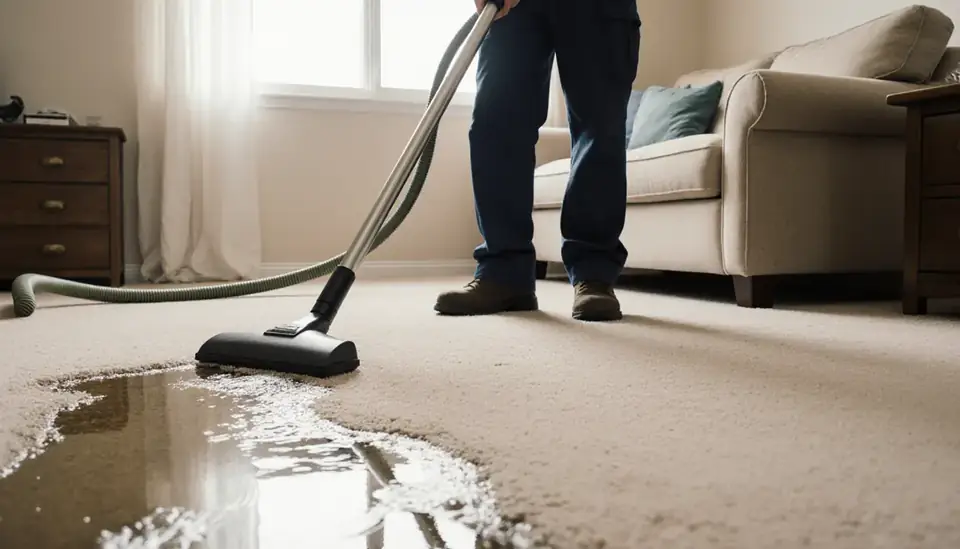
A provider handling water extraction will typically remove standing water first, then map moisture in walls and floors to decide what can be dried in place and what has to come out.
Mold Pressure in a Low, Humid River Corridor
Lexington County averages around 47 inches of precipitation a year, and Midlands summers keep humidity high for months. Low-lying ground near the river and shaded, tree-covered lots dry out slowly. Once building materials are soaked, mold can appear in a day or two, especially in crawl spaces and behind cabinets where air does not move.
The practical answer is speed: get water out, open up wet cavities and run dehumidification until readings come back to normal. If mold has already taken hold, removal should be done with containment so spores are not spread into clean rooms. Bleach on drywall does not solve the underlying moisture problem.

Alerts, Road Closures and Paperwork
Lexington County Emergency Management offers Code Red notifications and an emergency road closure map that shows hazardous areas during storms, which is useful in Seven Oaks given how many residents commute on I-20 and I-26. Before any cleanup starts, photograph every affected room, keep damaged items if your adjuster may want to see them, and save receipts for emergency repairs. Flood damage from surface water is not covered by a standard homeowners policy; it requires a separate flood policy.
Neighborhoods and Nearby Communities
Calls come in from across Seven Oaks, including:
- Challedon
- Whitehall
- Grenadier
- Woodland Hills
The same line also serves nearby communities such as:
Common Questions
Is Seven Oaks part of Columbia or Irmo?
Neither. Seven Oaks is an unincorporated census-designated place in Lexington County, bordered by Irmo to the northwest and Columbia to the southeast. That means Lexington County, not a city government, handles emergency management and many permitting questions. When you call (888) 317-9980, mention the county so you are connected with a provider that serves this side of the Saluda.
Does Lake Murray release water that floods Seven Oaks?
The Saluda Dam sits upstream and the lower Saluda River forms the community's southwest border, so homes right along the river corridor should know their flood zone. For most Seven Oaks properties, though, the more common water damage comes from heavy rain runoff, plumbing failures and storm-damaged roofs rather than the river. The FEMA Flood Map Service Center shows the mapped risk for your address.
How do I know if my crawl space got wet after a storm?
Look for standing water at the crawl space access, a musty odor indoors, damp or sagging insulation, or floors that feel soft or cupped. Under older homes in Seven Oaks, a broken drain line can soak the ground for weeks without visible signs upstairs. A restoration provider can measure moisture in the joists and subfloor and set up drying equipment under the house if readings are high.