
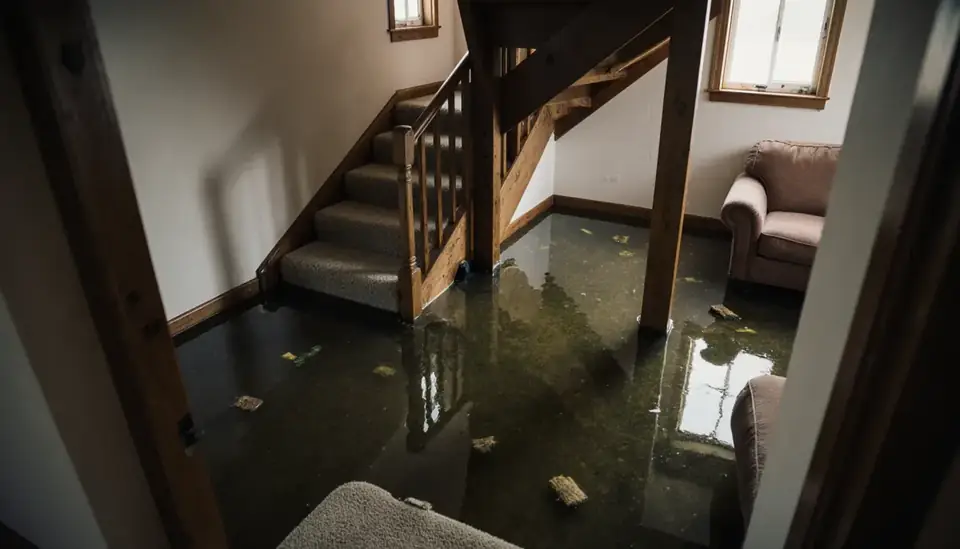
North Augusta occupies the South Carolina bank of the Savannah River, directly across from Augusta, Georgia. Part of the modern city stands on the grounds of Hamburg, a 19th-century river town that floods eventually emptied; the last residents left after a disastrous flood in 1929. Upstream dams built from the 1950s onward changed that picture, and today the riverfront hosts a ballpark and new development. Most water damage in North Augusta now comes from storms, trees and plumbing rather than the river itself, though the river still deserves respect.
The Restoration Job offers a free, round-the-clock referral line at (888) 317-9980. We connect you with an independent restoration provider serving North Augusta, Belvedere and nearby parts of Aiken and Edgefield counties. Pricing, scheduling and emergency availability vary by provider.
How the call works: when you call (888) 317-9980, The Restoration Job connects you with an independent restoration provider that serves North Augusta. That provider inspects the damage, explains the scope and quotes the work. The Restoration Job doesn't perform restoration itself. Read our referral disclosure.
From Hamburg's Floods to a Dam-Controlled Savannah
The Savannah River at Augusta drains about 7,330 square miles, and USGS peak-flow records at the Augusta gauge reach back to 1796. Augusta built river protection after a 1911 flood, but Hamburg, on the South Carolina side, was left unprotected and was abandoned after 1929. The J. Strom Thurmond Dam, completed in 1954 and still widely known as Clarks Hill, was followed by Hartwell in 1962 and Richard B. Russell in 1985. Those reservoirs were built partly for flood control, and development on the old Hamburg grounds has taken place under their protection.
Regulated is not the same as risk-free. Properties near the riverfront and along low drainage paths that run toward the river should be checked on FEMA's flood maps. A separate flood policy is the only coverage that responds to rising water, since homeowners policies exclude it.
Helene's Rain and Trees Across North Augusta
Hurricane Helene's remnants crossed Aiken County on September 27, 2024. Two North Augusta gauges measured 7.32 and 6.79 inches of rain, among the higher totals in the county, and the NWS office in Columbia reported widespread downed trees and power lines, 35 homes destroyed and 1,288 damaged countywide. For many households the damage came in a familiar order: a limb or whole tree through the roof, then hours of rain into attics, ceilings and walls, then days without power to run drying equipment.
When the roof has been breached, storm damage cleanup generally starts with tree removal and tarping, followed by removal of soaked ceiling drywall and insulation and a monitored drying plan for the framing and floors.
Postwar Growth and the Houses It Produced
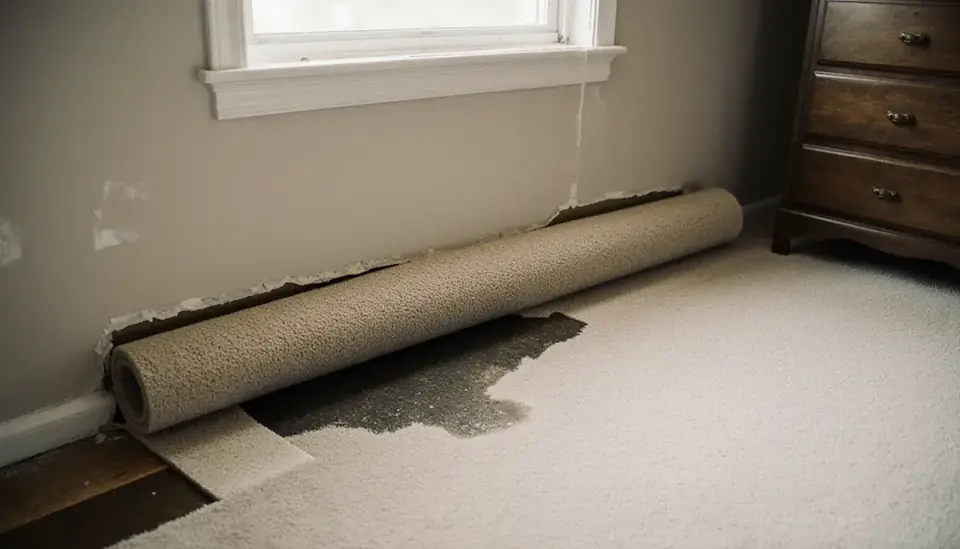
Construction of the Savannah River Plant in the 1950s transformed the city. Its area grew from 772 acres to 5,139, and the population has since reached more than 24,000. That growth suggests much of the housing dates from the second half of the 20th century or later, with newer subdivisions added more recently. Each era carries its own typical problems:
- Older homes: aging galvanized or cast-iron plumbing, original water heaters and crawl spaces that hold moisture.
- Mid-century slab homes: leaks under the slab that show up as warm spots, damp baseboards or a rising water bill.
- Newer construction: failed washing machine hoses, ice maker lines and second-floor bathroom leaks that come through the ceiling below.
For a sudden indoor leak, close the main valve, cut power to wet areas and start water extraction before water wicks deeper into walls and subfloors.
Humidity on the River and Mold Prevention
Summers along the Savannah are hot and humid, which slows natural drying. Wet drywall, insulation and carpet pad can begin to grow mold within a day or two, and crawl spaces near the river can stay damp much longer than the living space above. The most effective prevention is fast drying with dehumidifiers and air movers, checked with moisture meters rather than by touch.
Where mold is already visible or a musty smell persists, containment and removal of affected materials is the dependable fix. Spraying bleach on drywall or painting over stains tends to hide the problem rather than remove it.
Working Across Two Counties and Two States
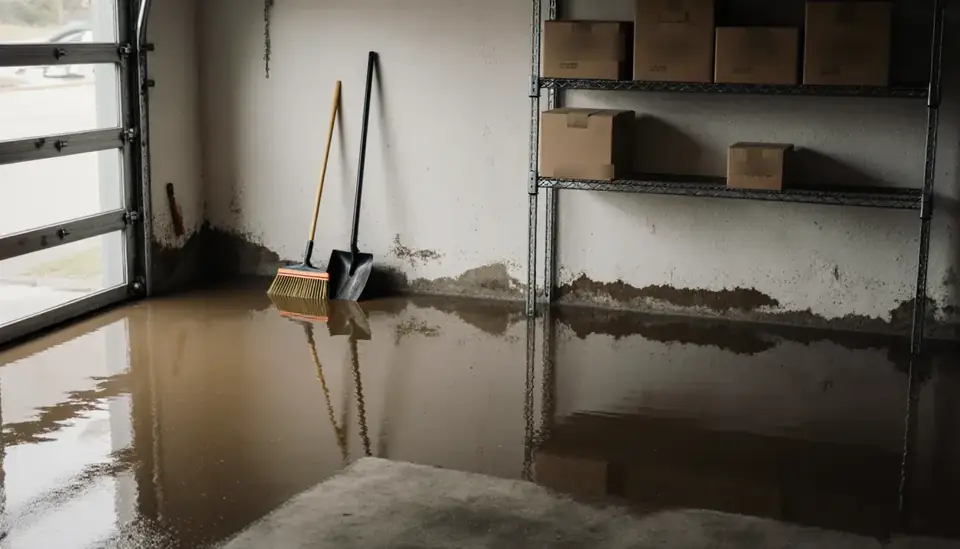
Most of North Augusta is in Aiken County, but a small part extends into Edgefield County, so it is worth confirming which county's permits and floodplain rules apply to your address before rebuilding. Neighbors across the river in Georgia fall under a different state's programs entirely. For statewide context on hurricanes and flooding, see the South Carolina service area page, and if you are in the Aiken area, our Aiken water damage page covers that city's conditions.
Where Callers in the North Augusta Area Are
Calls come in from across North Augusta, including:
- Georgia Avenue-Butler Avenue Historic District
The same line also serves nearby communities such as:
- Belvedere
- Aiken
- Jackson
- New Ellenton
North Augusta Water Damage Questions
Can the Savannah River still flood North Augusta?
The river is regulated by upstream dams built partly for flood control, including Thurmond (Clarks Hill), Hartwell and Russell, and the floods that emptied old Hamburg in 1929 came before any of them were built. Still, heavy regional rain can raise the river and local drainage can back up. Check FEMA flood maps for your address and consider flood insurance if you are near the river or low ground.
How much rain did Helene drop on North Augusta?
Two gauges in North Augusta recorded 7.32 and 6.79 inches during Helene on September 27, 2024, according to NWS Columbia data. Combined with widespread fallen trees in Aiken County, that rain caused extensive interior water damage through damaged roofs. If ceilings or insulation got wet and were never fully dried, it is worth having moisture levels checked for hidden mold.
My home is in the Edgefield County part of North Augusta. Does that change anything?
It can affect which county handles permitting and floodplain administration for repairs, so confirm with the city and county before rebuilding. The restoration process itself, extraction, drying and removal of damaged materials, is the same. When you call (888) 317-9980, mention your address so we can connect you with an independent provider that serves your location.