
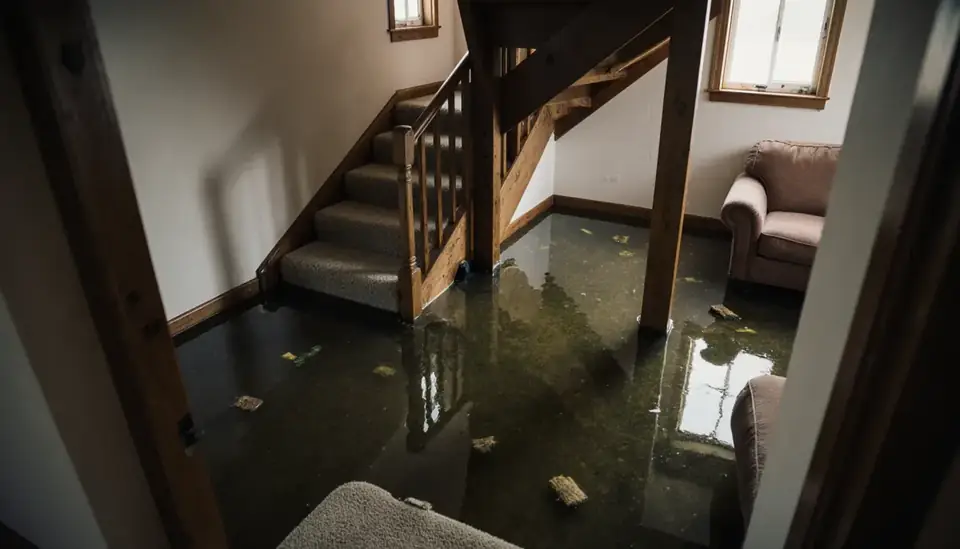
The Tennessee River once put all of Chattanooga under water. The 1867 flood crested at 58 feet and inundated the city, and downtown still sits around 676 feet above sea level, among the lowest ground in East Tennessee. TVA dams have tamed the river since the 1930s, but the creeks that drain Missionary Ridge, Walden's Ridge and north Georgia still rise fast, and average yearly precipitation here tops 52 inches.
No crews work for The Restoration Job; it simply routes your call. Call (888) 317-9980 at any hour and we will connect you with an independent restoration provider that serves Chattanooga and the rest of Hamilton County. Pricing and timing are set by whichever company takes the job, and many of them handle after-hours emergencies.
How the call works: when you call (888) 317-9980, The Restoration Job connects you with an independent restoration provider that serves Chattanooga. That provider inspects the damage, explains the scope and quotes the work. The Restoration Job doesn't perform restoration itself. Read our referral disclosure.
A River Held Back by Dams, and Creeks That Are Not
Since the Tennessee Valley Authority system took shape in 1933, the highest Chattanooga river stage has been nearly 37 feet, reached in 1973. Without TVA regulation that same flood would have crested around 52.4 feet. In May 2003 the river came up again, cresting at 36.1 feet on May 8, and the National Weather Service estimated damage in Hamilton County alone at close to $20 million, with hundreds of people evacuated.
The bigger day-to-day threat is usually the tributaries. South Chickamauga Creek flows out of Catoosa County, Georgia, through East Ridge and into the city. After the 1973 flood, a 2.6-mile levee was built along its west bank between Shallowford Road and I-75 to protect the Brainerd neighborhood. Properties outside that levee, and along smaller streams that drain the ridges, can still take water when storms stall over the valley.
Easter 2020 and the Storm Track Through East Brainerd
Late on April 12, 2020, an EF3 tornado crossed from Fort Oglethorpe, Georgia, into eastern Chattanooga, cutting through Harris Hills, East Brainerd, Drake Forest and Holly Hills before moving on to Collegedale and Ooltewah. Across the metro area, 2,718 properties were damaged and 254 destroyed. Torn roofs and broken windows let rain into homes that never saw floodwater, which is why storm damage cleanup after wind events often turns into a drying job as well.
Summer is busy too. July brings a secondary peak in rainfall from thunderstorms, and a slow-moving cell can overwhelm gutters, window wells and basement drains in an hour. The remnants of Ida dropped more than 4 inches at several Chattanooga gauges between August 31 and September 1, 2021.

Basements, Crawl Spaces and Hillside Lots
Chattanooga's housing ranges from older homes in long-established neighborhoods such as Fort Wood, Ferger Place, Highland Park and St. Elmo to ridge-top houses on Missionary Ridge and newer subdivisions out toward Hixson and Tyner. That mix creates different trouble spots:
- Hillside foundations. Houses cut into a slope often have one basement wall below grade on the uphill side, where runoff collects and seeps in.
- Older crawl spaces. Original plumbing and minimal ventilation let small leaks soak floor framing unnoticed.
- Valley-floor lots. Homes near creeks or on low streets may see surface water or sewer backup when lines surcharge in heavy rain.
- Historic districts. Battery Place, Glenwood, Missionary Ridge and others are locally designated, so exterior repairs may need approval.
What Happens After Water Gets Inside
Shut off the water main for plumbing failures, and keep power off to any flooded room until it is safe. Photograph everything before moving it. Creek and street water should be treated as contaminated, so items like carpet pad and saturated drywall generally come out rather than being dried in place.
A restoration crew will usually extract standing water, remove materials that cannot be saved, then set air movers and dehumidifiers and check moisture readings each day until framing and subfloor are back to normal. Professional flood cleanup in Chattanooga also includes cleaning and disinfecting surfaces that stay in place. Rebuilding should wait until readings confirm the structure is dry.
Humid Summers and Mold in the Tennessee Valley
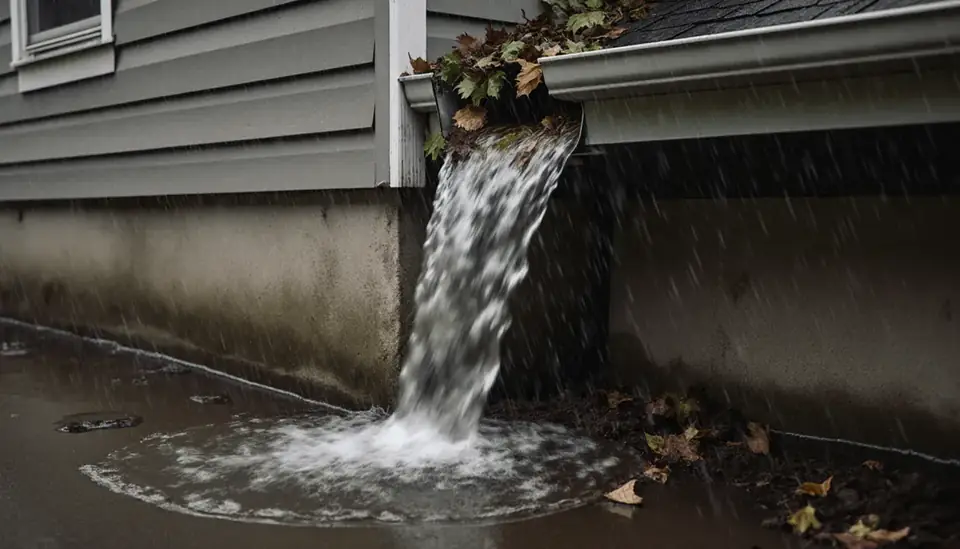
Warm, humid air settles in the valley from late spring into fall, and that makes wet materials a mold risk within a couple of days. Basements and crawl spaces stay damp longest, especially on the shaded side of a ridge. Running a dehumidifier, keeping gutters clear and directing downspouts away from the foundation all help. If growth has spread across drywall or framing, mold cleanup with containment keeps spores from moving to clean rooms while the work is done.
Chattanooga Neighborhoods and Surrounding Towns
Calls come in from across Chattanooga, including:
- St. Elmo
- Highland Park
- Fort Wood
- Ferger Place
- Glenwood
- Missionary Ridge
- Brainerd
- Hixson
- Tyner
- Lupton City
The same line also serves nearby communities such as:
- East Ridge
- Red Bank
- Signal Mountain
- Soddy-Daisy
- Collegedale
- Lookout Mountain
- Rossville
- Fort Oglethorpe
Chattanooga Water Damage Questions
Does TVA flood control mean my Chattanooga home is safe from flooding?
Not entirely. The dams have kept the Tennessee River well below its 1867 record, but heavy rain can still push the river up, as it did to 36.1 feet in May 2003, and local creeks like South Chickamauga Creek respond to rain the dams do not control. Check your address on FEMA's flood map, and remember standard homeowners policies typically exclude flood.
Who should I call about flooding on my street versus water in my house?
Water inside your home is your responsibility to address, and a restoration provider can extract and dry it. Drainage problems on public streets or in ditches belong to the city's public works and stormwater staff. For countywide emergencies, Hamilton County's Office of Emergency Management posts alerts and hazard information at hamiltonready.org.
I live in a historic district. Can I replace water-damaged siding or windows myself?
Extracting water and drying the interior should not wait. Exterior changes in Chattanooga's local historic districts, such as Battery Place, Glenwood or Missionary Ridge, may require design approval before replacement. Document the damage with photos, protect the opening temporarily, and check with the city before ordering new materials so the repair does not have to be redone.
How can I tell if storm damage caused hidden water problems?
After a wind or hail storm, look for ceiling stains, damp attic insulation, peeling paint near windows and musty smells in closets on exterior walls. Water can travel along rafters well away from the hole in the roof. A provider with moisture meters and thermal imaging can map wet areas so drying covers everything, not just the visible spot.