
Two old coal-era communities, Soddy and Daisy, joined in April 1969 to form one city strung along roughly nine miles of U.S. 27. The setting explains most of the water problems here. To the west, the Cumberland Escarpment climbs to Walden Ridge; to the east, the lower end of Soddy Creek forms an inlet of Chickamauga Lake. Rain that hits the ridge drains downhill through town on its way to the lake.
The Restoration Job does not own equipment or employ workers. It is a free service that answers (888) 317-9980 day and night and links you with an independent restoration provider covering Soddy-Daisy and northern Hamilton County. Costs and timing are worked out directly with that provider, and many handle emergency situations.
How the call works: when you call (888) 317-9980, The Restoration Job connects you with an independent restoration provider that serves Soddy-Daisy. That provider inspects the damage, explains the scope and quotes the work. The Restoration Job doesn't perform restoration itself. Read our referral disclosure.
Runoff From the Cumberland Escarpment
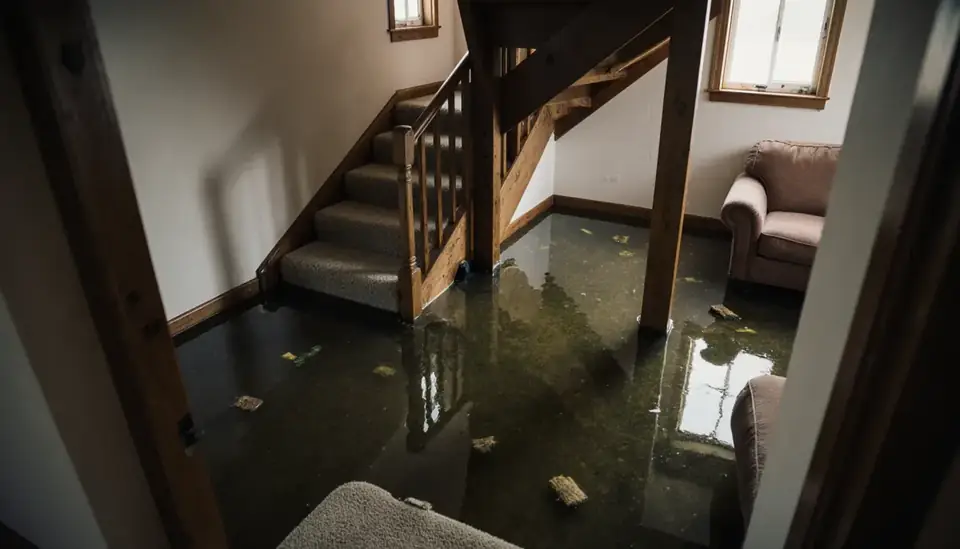
The city sits right at the base of the escarpment, the steep east face of Walden Ridge, at about 699 feet. During intense storms, water comes off that slope quickly and collects in low yards, roadside ditches and the creek corridors heading toward the lake. Homes built into the hillside on the west side of U.S. 27 can take water through the uphill foundation wall, while properties lower down may see runoff pond around crawl space vents and garage doors.
When Ida's remnants passed through, a Soddy-Daisy gauge measured 3.29 inches by the morning of September 1, 2021. Rain like that, falling on ground already wet, is the classic setup for a flooded crawl space.
Living Along Chickamauga Lake and Soddy Creek
Chickamauga Lake stretches almost 59 miles behind Chickamauga Dam, which TVA completed in 1940, and has about 810 miles of shoreline. TVA keeps the lake between 675 and 677 feet through March, then raises it to a summer range of 681.5 to 682.5 feet by mid-May. That seasonal swing of several feet is visible at docks and seawalls near the Soddy Creek inlet.
Homes close to the water also tend to stay humid. Basements, boathouses and crawl spaces close to the water dry slowly, so even a small leak deserves fast attention.
From Standing Water to a Dry House
- Stop or wait out the source. Close the main for a plumbing break; for runoff, let the rain end and water recede.
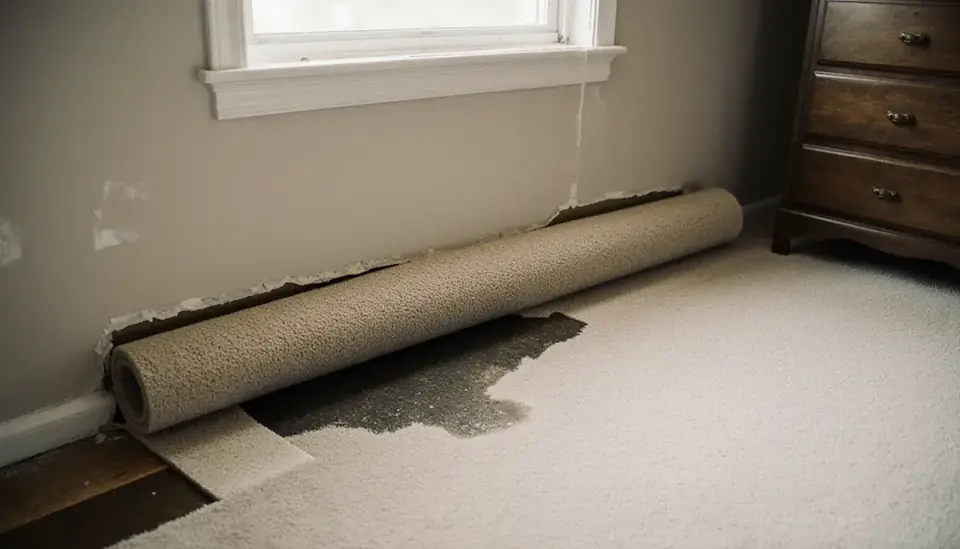
- Get water out fast. Pumps and extractors clear basements and carpet; prompt water extraction shortens drying time.
- Remove what holds water. Pad, insulation and wet drywall below the waterline usually come out, especially after outside water.
- Dry and measure. Equipment stays in place until meter readings in framing and subfloor reach normal levels.
- Permit the rebuild. Soddy-Daisy requires building permits for interior or exterior repairs valued over $1,000.
For water that came in from outside, see how flood cleanup differs from a clean-water pipe leak.
Crawl Spaces, Hillsides and Hidden Wood Rot
Houses on sloped lots commonly sit on crawl spaces or partial basements. Once water gets under a house, it can stay in the soil and wood for weeks. Wet insulation sags against joists, sill plates wick moisture, and floors start to feel soft or bouncy. Thorough structural drying targets that framing directly, often with dehumidifiers placed in the crawl space and a vapor barrier restored or replaced afterward.
Mold Risk Near the Soddy Creek Inlet
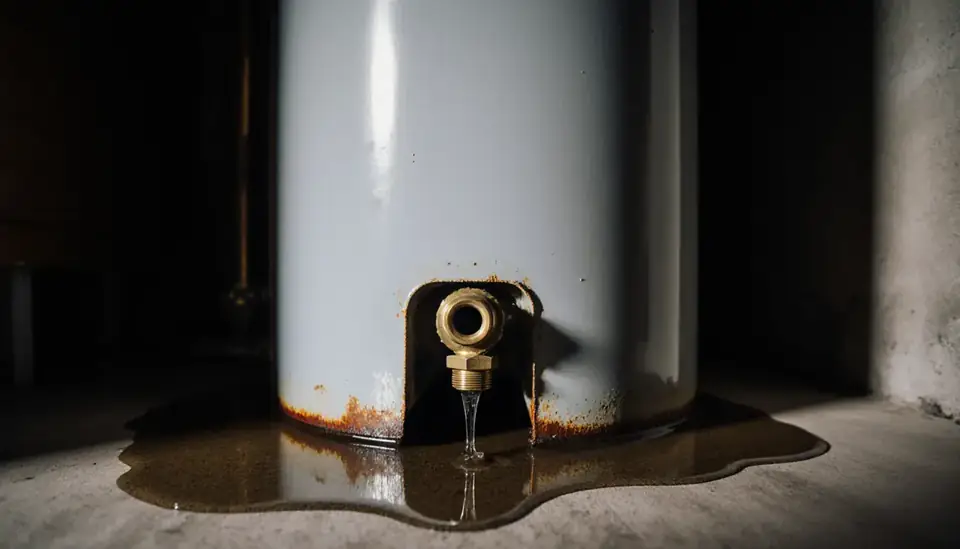
Summer humidity near the lake makes mold a steady concern. Wet drywall, wood or carpet left more than a day or two can start to grow it. Keep a dehumidifier running in basements, make sure dryer and bath fans vent outdoors, and check crawl spaces after big storms. If a musty odor persists after cleanup, there is likely moisture still hiding in a wall cavity or under flooring that needs to be found and dried.
Where Callers in the Soddy-Daisy Area Are
Calls come in from across Soddy-Daisy, including:
- Soddy
- Daisy
The same line also serves nearby communities such as:
- Chattanooga
- Red Bank
- Signal Mountain
- Walden
- Lakesite
- Dayton
Soddy-Daisy Water Damage Questions
Does Chickamauga Lake flood homes in Soddy-Daisy?
TVA manages the lake within set seasonal ranges, rising from about 675 to 677 feet in winter to roughly 681.5 to 682.5 feet by mid-May, so ordinary lake levels are predictable. Most local water damage comes from storm runoff off the escarpment, creek overflow and plumbing failures. Check FEMA's flood map for your parcel, especially if you are near the Soddy Creek inlet.
When do I need a permit for water damage repairs in Soddy-Daisy?
The city's building department requires permits for interior or exterior repairs to existing structures where the value exceeds $1,000, with staged inspections for framing, insulation, plumbing, electrical and mechanical work. Drying out and removing wet materials can begin before a permit, but rebuilding usually needs one. City Hall can be reached at 423-332-5323.
How can I keep hillside runoff out of my crawl space?
Direct gutters and downspouts well away from the house, regrade soil so it slopes outward, and clear any swale or ditch on the uphill side. A French drain or curtain drain can intercept water before it reaches the foundation. Inside, a sump pit and pump in the crawl space plus a sealed vapor barrier help keep the area dry between storms.