
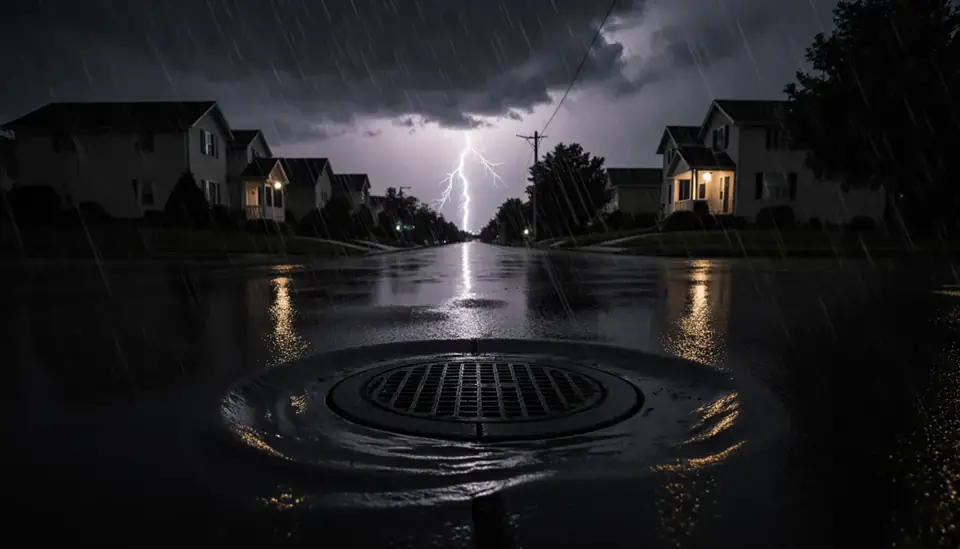
Cookeville sits on the Highland Rim at about 1,089 feet, a few hundred feet above Nashville, and its long-term average rainfall runs a little over 60 inches a year. On the night of March 27, 2021, a CoCoRaHS observer in the city measured 6.21 inches, and the National Weather Service logged reports of several roads under water across town. A year earlier, the March 3, 2020 tornado tore through western Putnam County and left damaged homes exposed to the rain that followed.
Our part is the phone call, not the cleanup. The Restoration Job runs a free referral line for Putnam County: call (888) 317-9980 at any hour and we will connect you with an independent restoration company that covers Cookeville and the surrounding area. Each provider sets its own pricing and schedule, and many of them take emergency calls overnight.
How the call works: when you call (888) 317-9980, The Restoration Job connects you with an independent restoration provider that serves Cookeville. That provider inspects the damage, explains the scope and quotes the work. The Restoration Job doesn't perform restoration itself. Read our referral disclosure.
Sixty Inches a Year on the Highland Rim
Putnam County's rain does not come in one season. It arrives as winter soakers, spring lines of thunderstorms and summer downpours that dump an inch in an hour. Because the town is built on rolling upland rather than along one big river, most flooding here is local: storm drains that cannot keep up, low spots along creeks, and parking lots that shed water toward the nearest building. The March 2021 storm was a good example. No major river crested in town, yet streets flooded and basements and crawl spaces filled.
The Falling Water River runs through the southeastern part of the county, passing under Interstate 40 and into City Lake, which supplies Cookeville's drinking water, before dropping off the Rim at Burgess Falls. Its history includes a late-June 1928 flood that broke part of the old dam there. For most homeowners, though, the practical risk is closer to home: a yard that slopes toward the foundation, a clogged gutter, or a crawl space vent at grade level.
Roof and Window Damage After Putnam County Tornadoes
The March 3, 2020 tornado was rated EF-4 by the National Weather Service in Nashville, with estimated peak winds of 175 mph. It touched down northwest of Baxter, crossed the Double Springs and Plunk Whitson Road areas, leveled 17 homes mostly along Hensley Drive and lifted near Cookeville Regional Medical Center. Nineteen people died. It was the worst tornado on record in Putnam County.
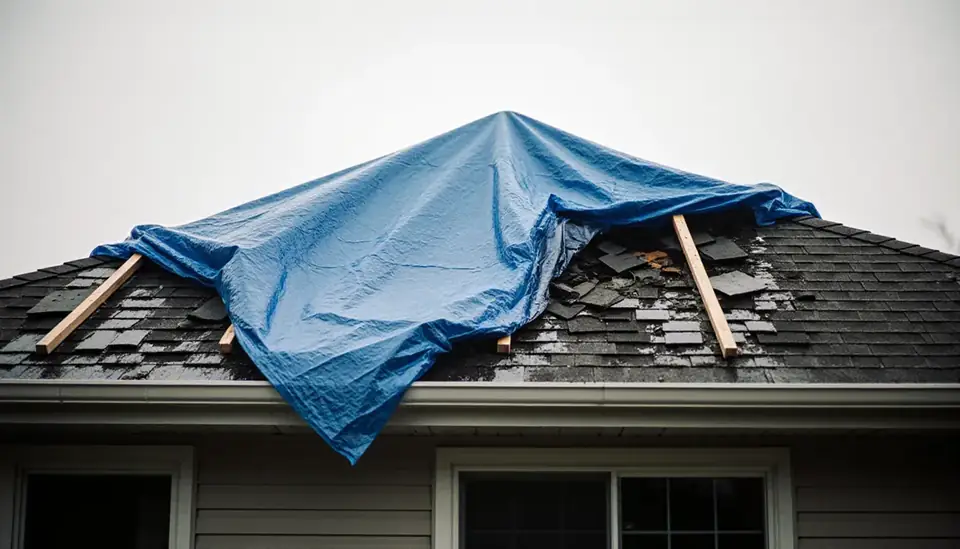
Wind events turn into water damage within hours. A torn roof deck, a broken window or a punctured wall lets rain into insulation, ceilings and floors that were dry before the storm. After any tornado or severe thunderstorm:
- Tarp or board openings as soon as it is safe, or ask the provider to do it first.
- Photograph damage before anything is moved.
- Check attic insulation and ceiling drywall for sagging or staining, even in rooms that look fine.
- Keep receipts for tarps, fans and temporary lodging for your insurer.
A provider handling storm damage cleanup will usually secure the building, remove soaked materials and then begin drying.
Crawl Spaces, Foundation Vents and Winter Freezes
Many Cookeville houses, from older homes near the West Side and downtown to newer subdivisions, sit over vented crawl spaces. That is where supply lines freeze. The city's record low is 22 below zero, set in January 1985, and the December 2022 Arctic blast pushed temperatures below zero across much of Middle Tennessee. The city's water department advises closing foundation vents, disconnecting garden hoses and covering exposed faucets before cold weather.
A pipe that splits under the floor can run for hours before anyone notices. Signs include a sudden jump in the water bill, a hissing sound from below, or a damp smell at floor registers. Shut off the main valve first. Then the job is water extraction from the crawl space, removal of wet insulation, and drying of the joists and subfloor.
What a Cookeville Water Damage Restoration Job Involves
The steps are similar whether the water came from a storm drain backing up, a burst line or a roof opening. A crew typically inspects and maps moisture with meters, pumps or vacuums standing water, pulls out materials that cannot be dried, such as soaked carpet pad and the bottom of wet drywall, and sets up air movers and dehumidifiers. Drying usually takes several days, with daily readings until wood and walls return to normal levels. Water damage restoration in Cookeville often includes a crawl space component, since water that gets into the house usually runs down into the space below.
Tennessee Tech students and landlords should note that in rental housing the owner is usually responsible for the structure, while tenants need renter's coverage for their own belongings. Report leaks to the landlord in writing right away.

Mold After a Wet Spring
Cookeville's humid summers mean wet materials do not stay clean for long. Mold can begin to grow on damp drywall, wood and insulation within a couple of days, and crawl spaces with poor airflow are especially prone. If you notice a musty odor after a storm, or visible growth on joists, have the area inspected rather than spraying bleach over it. Mold cleanup only holds if the moisture source is fixed and the materials are dried.
Where Callers in the Cookeville Area Are
Calls come in from across Cookeville, including:
- West Side
- Downtown Cookeville
The same line also serves nearby communities such as:
- Algood
- Baxter
- Monterey
- Sparta
- Crossville
Common Questions
Is flood insurance available for homes in Cookeville?
Yes. The City of Cookeville participates in the National Flood Insurance Program, so any property inside the city can be covered by a separate flood policy. Standard homeowners policies generally exclude surface flooding, even when it comes from a street or creek rather than a river. Policies usually have a waiting period before coverage starts, so buying one after a storm is in the forecast is too late.
Why does my crawl space flood when it rains hard?
Heavy bursts like the March 2021 storm, which dropped more than six inches on Cookeville, overwhelm gutters and soak the ground around the foundation. Water then seeps through block walls or flows in at vents. Fixing gutters, extending downspouts and grading soil away from the house help, and a provider can pump out the space and dry the framing if it is already wet.
What should I do first after tornado damage lets rain into the house?
Make sure the structure is safe and the power is off in wet areas. Then cover openings with tarps or plywood to stop more water from entering, photograph everything for your insurer, and call for help with drying. Ceilings and attic insulation can hold a lot of water, so have them checked even if the damage looks minor from below.