
Richland Creek flows south past the edge of downtown Pulaski on its way to the Elk River, and the town's historic core sits on the creek's north bank. Founded in 1809, the Giles County seat has a mix of older homes, downtown commercial buildings and the campus of the University of Tennessee Southern, which began as Martin Methodist College in 1870. Many of those buildings have seen more than a century of storms, freezes and plumbing upgrades.
The Restoration Job connects people with independent restoration providers at no cost and does not perform the work itself. Call (888) 317-9980 day or night and we will connect you with a provider that serves Pulaski and the rest of Giles County. Pricing and availability vary by company, and many of them provide emergency service.
How the call works: when you call (888) 317-9980, The Restoration Job connects you with an independent restoration provider that serves Pulaski. That provider inspects the damage, explains the scope and quotes the work. The Restoration Job doesn't perform restoration itself. Read our referral disclosure.
Richland Creek and Low Ground Near Downtown
Creeks like Richland Creek respond quickly to heavy rain. Rain falling across the creek's upstream watershed funnels into the channel, and when it rises, low-lying streets, yards and outbuildings near the creek are the first to feel it. Storm drains that empty toward the creek can also back up when the channel is full, leaving water standing on streets well away from the bank.
If you own or rent near the creek, check the property on the FEMA Flood Map Service Center. Homeowners and renters policies typically exclude flood damage, so contents and structure coverage for rising water require a separate flood policy. Renters can buy contents-only flood coverage, which many people do not realize.
Vacant Houses and Hidden Leaks
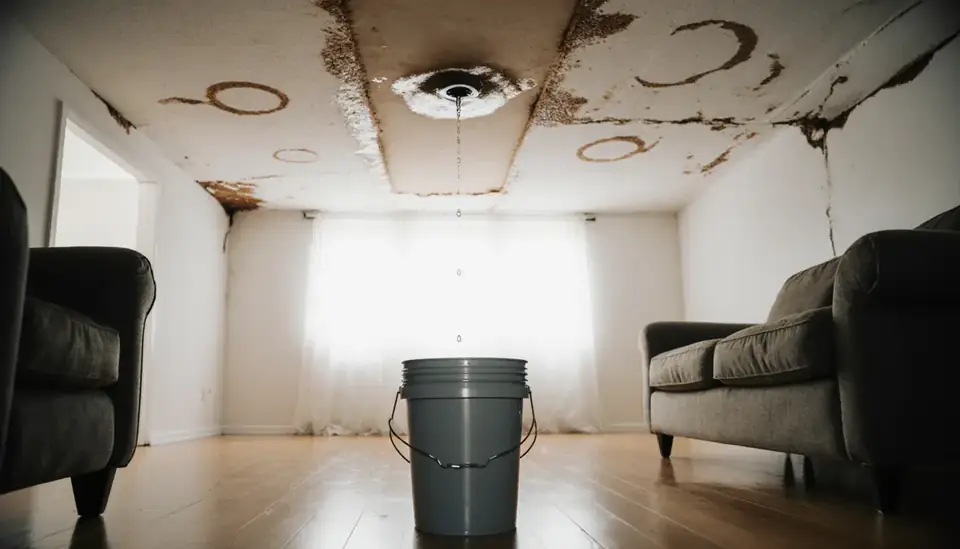
About one in eight housing units in Pulaski was vacant at the 2020 census, a higher share than in many nearby towns. Empty houses, rentals between tenants and estates waiting to be settled are where water damage tends to grow unnoticed. A supply line that fails in an occupied home is usually caught within hours. In a house nobody visits, it can run for weeks.
If you are responsible for an empty property, shut off the water at the main and drain the lines, keep minimal heat on in winter, and arrange for someone to check the house regularly. Landlords should make sure tenants know where the shutoff is. When damage is found late, expect more demolition and a closer look for mold than with a fresh leak.
Cold Snaps on the Southern Highland Rim
Pulaski has recorded a low of 16 below zero, and while most winters are mild, short cold snaps still catch homes unprepared. Pipes in crawl spaces, exterior walls and unheated additions are most at risk. The damage often shows up when the ice in the pipe thaws and water starts flowing through the split.
- Close foundation vents and seal gaps in skirting before a hard freeze.
- Insulate exposed pipes in crawl spaces and unheated rooms.
- Open cabinet doors under sinks on outside walls.
- If a pipe breaks, shut off the main, turn off breakers in wet areas and call for help.
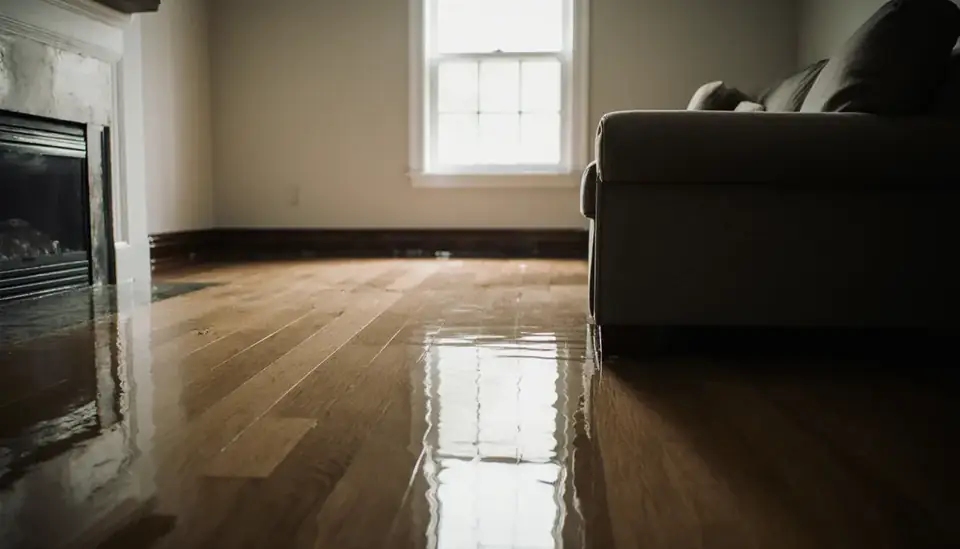
Quick water extraction limits how far water spreads into floors and walls.
What Restoration Work Involves in Giles County
A provider will usually start by locating the source and measuring moisture throughout the affected rooms. Standing water is extracted and wet materials that cannot be saved, like carpet pad and saturated drywall, are removed. Drying equipment then runs with daily readings until the structure is back to normal moisture levels, typically several days.
For older homes with plaster walls and hardwood floors, ask the provider whether materials can be dried in place. Plaster often survives a brief soaking, and floors may flatten again if the subfloor dries properly. Water from a sewer backup or creek flooding is a different matter and calls for more removal and disinfection. Learn more about water damage restoration and sewage cleanup.

Mold in Older Pulaski Homes
With nearly 59 inches of precipitation a year and humid summers, Pulaski offers mold plenty of opportunity. Older homes with crawl spaces, limited ventilation and decades of small leaks are especially prone. Musty odors, staining on baseboards and peeling paint are common early signs.
Mold cleanup starts with stopping the moisture. Small patches on hard surfaces can often be cleaned, but growth in drywall, insulation or across large areas needs professional mold remediation with containment so spores are not spread through the house.
Areas In and Around Pulaski
The same line also serves nearby communities such as:
- Elkton
- Lynnville
- Minor Hill
- Ardmore
- Lawrenceburg
- Fayetteville
Frequently Asked Questions
Is my home near Richland Creek in a flood zone?
The only reliable answer comes from the official FEMA flood maps, which you can search by address at the FEMA Flood Map Service Center. Properties close to the creek and its tributaries are more likely to fall in a mapped hazard area, but flooding can also happen outside those zones during heavy storms.
I found water damage in a rental I own that was vacant for weeks. What now?
Shut off the water, document everything with photos and contact your insurer promptly. Check your policy's vacancy terms, because some policies limit coverage after a property has been empty for a set period. Call (888) 317-9980 and we will connect you with an independent provider in Giles County who can assess the damage and check for mold.
Can a provider help with a historic building downtown?
Many restoration companies work on older commercial and residential buildings. Tell them about plaster, original woodwork or other features you want to preserve so they can plan a drying approach that limits removal. If the building has any historic designation, check local requirements before replacing exterior elements.