
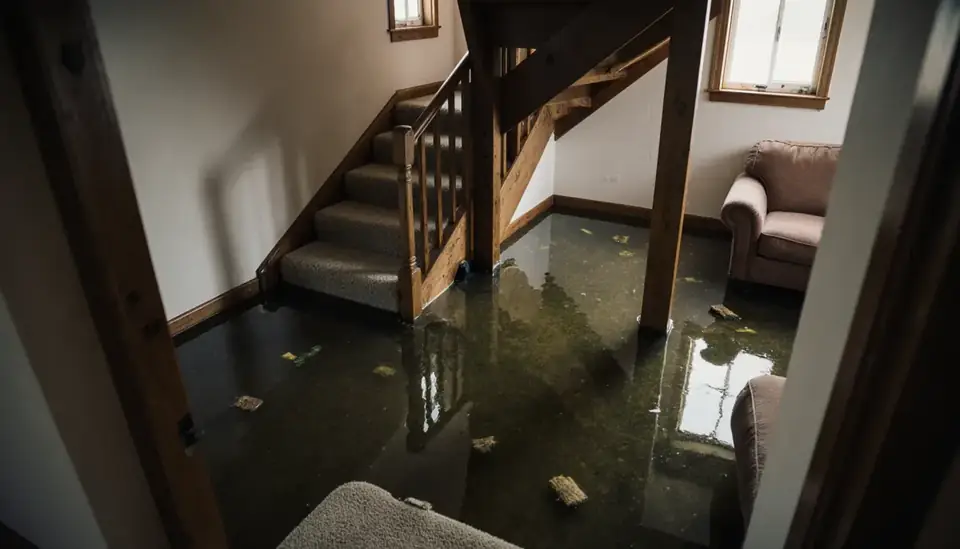
Few towns in Tennessee felt Hurricane Helene the way Erwin did. In late September 2024 the Nolichucky River tore through riverside parts of town, Unicoi County Hospital was almost entirely submerged, and helicopter crews lifted 58 people off its roof. Sections of the Interstate 26 bridges over the river were carried away. For a house that took water that week, the effects can outlast the visible repairs.
No crews work for The Restoration Job; it simply links Unicoi County callers with outside firms, free of charge. Call (888) 317-9980 at any hour and we will connect you with an independent restoration provider that works in Erwin and the rest of Unicoi County. Providers set their own prices and schedules, and many offer emergency service for active leaks and flooding.
How the call works: when you call (888) 317-9980, The Restoration Job connects you with an independent restoration provider that serves Erwin. That provider inspects the damage, explains the scope and quotes the work. The Restoration Job doesn't perform restoration itself. Read our referral disclosure.
Where the Nolichucky Meets North Indian Creek
Erwin grew up at a meeting of waters. The Nolichucky comes out of North Carolina through a narrow whitewater gorge and reaches town from the southeast, while North Indian Creek drains the valley from the northeast and joins it here. South Indian Creek enters nearby as well. Buffalo Mountain, Rich Mountain and the Unakas rise on every side, so rain that falls on steep national forest slopes funnels quickly into a small number of channels.
That geography explains why flooding in Erwin can move so fast. The river's peak discharge on record dates to a May 1901 flood, and tropical remnants that stall over the Blue Ridge remain the scenario to watch. Lots along the river and the lower stretches of the creeks carry the highest exposure, but heavy cloudbursts can also send runoff down hillside streets and into basements well away from the water.
Living With Helene's Aftermath
A home that took river water in 2024 may look finished on the surface and still have problems underneath. Silt settles inside wall cavities, under subfloors and in crawl spaces, and it holds moisture for months. Insulation that stayed in place after a flood rarely dries on its own. Warning signs include a sour or musty smell, cupping hardwood, soft spots in flooring and paint that bubbles near the old waterline.
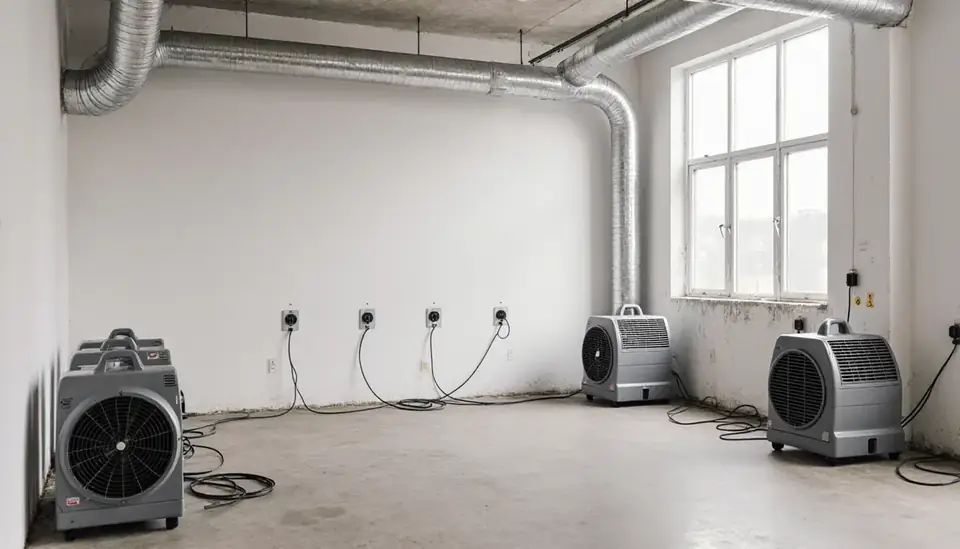
When those signs show up, a moisture survey is a reasonable next step. A restoration provider can use meters and thermal imaging to locate wet framing, then open only the sections that need it. Professional flood cleanup after river water generally means removing contaminated porous materials, cleaning and disinfecting what remains, and running dehumidifiers until the structure tests dry.
The First Hour After Water Reaches Your Erwin Home
- Stay out of flooded rooms until the power is off at the panel or the utility confirms it is safe.
- Treat river and creek water as contaminated; wear boots and gloves and keep children and pets away.
- Photograph waterlines, damaged materials and belongings before anything goes to the curb.
- Pull up soaked rugs and move furniture onto blocks or out of the room.
- Call your insurer early, and ask whether you have a separate flood policy, since homeowners coverage excludes rising water.
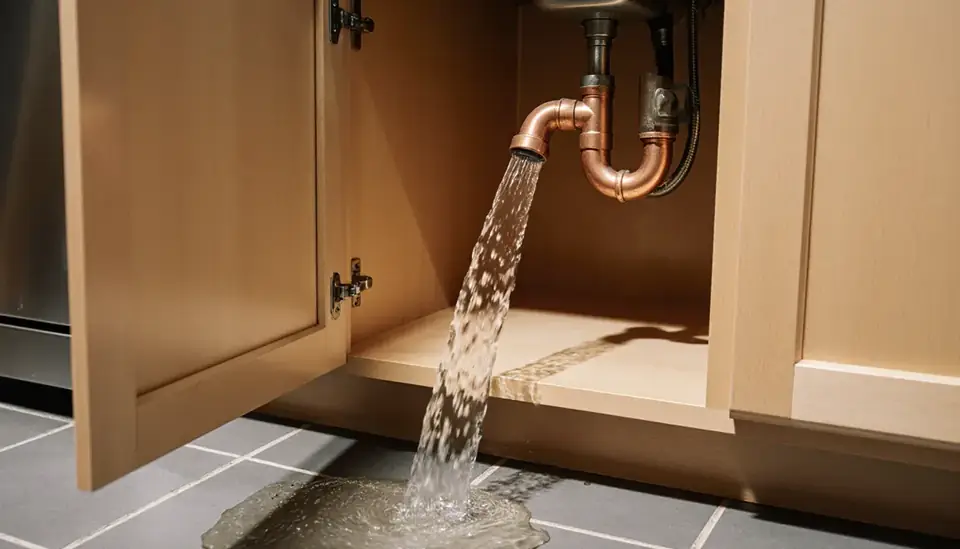
For a burst pipe or appliance leak with clean water, quick water extraction and drying often saves drywall and cabinets that would otherwise need replacing.
Mountain Winters and Frozen Pipes
At about 1,670 feet in a mountain valley, Erwin gets real winter. The town averages around nine inches of snow a year and has recorded temperatures as low as 20 below zero. During the December 2022 cold outbreak, the Tri-Cities airport bottomed out at 1 degree with wind chills near 21 below, and parts of East Tennessee lost running water. Pipes in crawl spaces, exterior walls and unheated additions are the usual failures. A split line often goes unnoticed until the thaw, when water starts running under the floor.
Know where your main shutoff is, insulate exposed lines, and keep the heat on in vacant or seasonal properties.
Mold Growth Below Buffalo Mountain
Erwin sees roughly 47 inches of precipitation a year, and summers in the valley are warm and damp. Wet drywall or carpet left in place for a couple of days can start to grow mold, and crawl spaces with standing water or old flood mud are a common source of persistent odors. Drying the structure fully matters more than any spray or cleaner. Where growth has spread beyond a small patch, or where it followed contaminated floodwater, mold remediation with containment and removal of affected materials is the safer approach.
Areas In and Around Erwin
The same line also serves nearby communities such as:
Common Questions
My Erwin house flooded during Helene and was repaired. Could there still be hidden moisture?
It is possible, especially if walls were closed up quickly or the crawl space still holds silt. Signs include musty odors, warped flooring and stains near the old waterline. A provider can check framing and subfloors with moisture meters and thermal imaging without tearing everything open, then target drying or removal where readings are high.
Does homeowners insurance cover Nolichucky River flooding?
Standard homeowners policies exclude flooding from rising water. That damage is covered only by a separate flood policy through the National Flood Insurance Program or a private insurer. Sudden pipe bursts are usually treated differently under a homeowners policy. FEMA flood maps can show whether your Erwin property sits in a mapped flood hazard area.
Who do I contact for emergency information in Unicoi County?
The Unicoi County Emergency Management Agency coordinates preparedness and disaster response for Erwin and the rest of the county. Its office is on South Main Avenue in Erwin. For life-threatening flooding, call 911. For damage to your home after the danger has passed, a restoration provider can begin water removal and drying.
How fast should a flooded basement or crawl space in Erwin be dried?
Start the moment the space is safe to enter. In warm, humid weather mold can begin growing on wet materials within a day or two. Pump out standing water, remove soaked insulation and debris, and run dehumidifiers and air movers until framing and subfloor readings return to normal. A new vapor barrier should go down only after everything is dry.