
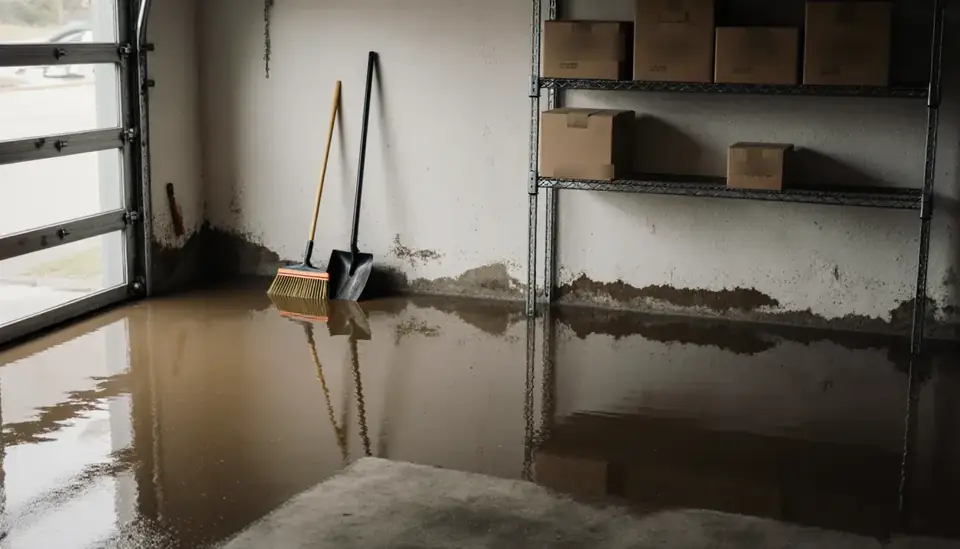
Few cities in the country get as much rain as Beaumont. The city averages more than 65 inches a year, with a wet season that runs from April through October, and it sits only about 16 feet above sea level on the flat coastal plain roughly 30 miles from the Gulf. The Neches River forms its eastern edge and Pine Island Bayou its northern one. Within two years, Hurricane Harvey in 2017 and Tropical Storm Imelda in 2019 both brought historic flooding to the city and the rest of Jefferson County.
The Restoration Job is a no-cost referral line for the Golden Triangle. Call (888) 317-9980 at any hour and we'll put you through to an independent restoration provider serving Beaumont. Providers here commonly handle flood cleanup, water extraction, structural drying and mold remediation, and many respond to emergencies.
How the call works: when you call (888) 317-9980, The Restoration Job connects you with an independent restoration provider that serves Beaumont. That provider inspects the damage, explains the scope and quotes the work. The Restoration Job doesn't perform restoration itself. Read our referral disclosure.
Harvey's Week of Rain Over Jefferson County
Harvey's rain fell on Southeast Texas from the afternoon of August 24 through August 31, 2017. The National Weather Service office in Lake Charles reports storm totals over 40 inches across Jefferson County and more than 64,000 flooded homes in the county. Nearby Nederland measured 60.58 inches, the wettest tropical cyclone total on record in the United States. The hardest-hit areas listed by the NWS included Port Arthur, Groves, Bevil Oaks, Hampshire, Fannett, China and the northeast side of Beaumont. Upstream, the Neches River at Evadale reached its second-highest reading in records going back to 1884, and Baptist Hospital in Beaumont evacuated patients by National Guard helicopter.
Many homes took in water for days. Drywall, insulation and flooring that sit in floodwater that long are almost always removed, and the framing needs cleaning and thorough drying before anyone rebuilds.
Imelda and the I-10 Corridor in 2019
Just two years later, Tropical Storm Imelda stalled over the area from September 17 to 19, 2019. The NWS recorded 44.29 inches about 2 miles south-southwest of Fannett, including 31 inches in 12 hours. The worst flooding ran along the I-10 corridor from Winnie east through Fannett, Beaumont, Vidor and Orange, and vehicles were stranded on flooded I-10 between Beaumont and Winnie for two and a half days. Around 5,100 homes in Jefferson County flooded.
Imelda was not a hurricane, and that is the point: in Beaumont, rainfall rate drives flooding more than wind speed. Any slow-moving system can overwhelm bayous and ditches on such flat ground, and homes that stayed dry in one storm may flood in the next.

Surge, Wind and Older Housing Near the Neches
Hurricanes Rita in 2005 and Ike in 2008 both did significant damage in Beaumont. Ike's surge reached as high as 17 feet in isolated parts of Jefferson County, and the Port Arthur gauge recorded 11.03 feet. Most of Beaumont sits inland from that surge, so its storm losses more often come from wind, falling trees and roof failures.
The city's housing ranges widely, from restored homes in the Oaks Historic District to areas like Amelia, a separate community until it was annexed in 1956, and newer subdivisions. Some older houses sit on pier-and-beam floors, and water that gets under them can linger in the crawlspace and rot subfloors. Slab homes take water at the floor line instead. Either way, structural drying needs to reach the framing, not just the visible surfaces.
Order of Work After a Beaumont Flood
- Stay out until power to the house is off and the area is declared safe.
- Photograph exterior waterlines, every room and damaged items before removal.
- Get water out fast. Water extraction limits wicking into walls and cabinets.
- Expect flood cuts in drywall and removal of wet insulation, carpet and pad.
- Clean and disinfect framing and slab; river and bayou water carries sewage and chemicals.
- Dry with dehumidifiers and air movers, verifying with moisture readings, before rebuilding.
For local drainage questions, Jefferson County Drainage District No. 6 maintains drainage infrastructure in the Beaumont area. FEMA's Flood Map Service Center shows the official flood zone for your address.
Golden Triangle Humidity and Mold
Beaumont's heavy rainfall comes with high humidity much of the year, and a flooded house in late summer can show mold within a few days. The usual spots are the lower two to four feet of walls, cabinet bases, closets and crawlspaces. Removing wet materials quickly is the most effective prevention. If growth is already visible, remediation should contain the area so spores don't spread to clean rooms, then remove affected materials and confirm the structure is dry. For broader context on storms around the state, see our Texas service area page.
Where Callers in the Beaumont Area Are
Calls come in from across Beaumont, including:
- Downtown
- Oaks Historic District
- Amelia
- Crockett Street Entertainment District
The same line also serves nearby communities such as:
- Port Arthur
- Nederland
- Vidor
- Lumberton
- Bevil Oaks
- China
- Rose City
Common Questions
My home didn't flood in Harvey. Do I still need flood insurance in Beaumont?
Harvey and Imelda flooded different areas, two years apart, because each storm's heaviest rain fell in different places. Imelda flooded about 5,100 Jefferson County homes along the I-10 corridor. Standard homeowners policies generally exclude rising water, so a separate flood policy is the main protection. Check your address on FEMA's flood maps, but remember many flooded homes were outside high-risk zones.
What is different about drying a pier-and-beam house?
Water can sit in the crawlspace under a raised floor long after the rooms above look dry. That moisture soaks joists and subfloor and raises humidity inside the house. A provider should check under the floor, remove standing water and wet vapor barrier or insulation, and dry the crawlspace along with the living areas.
Who handles drainage problems in my area?
Jefferson County Drainage District No. 6, headquartered on Walden Road in Beaumont, manages drainage infrastructure for the area and posts rainfall monitoring data. Street-level storm drains are usually a city matter. For forecasts and flood warnings, the National Weather Service office in Lake Charles covers Southeast Texas, including Beaumont.