
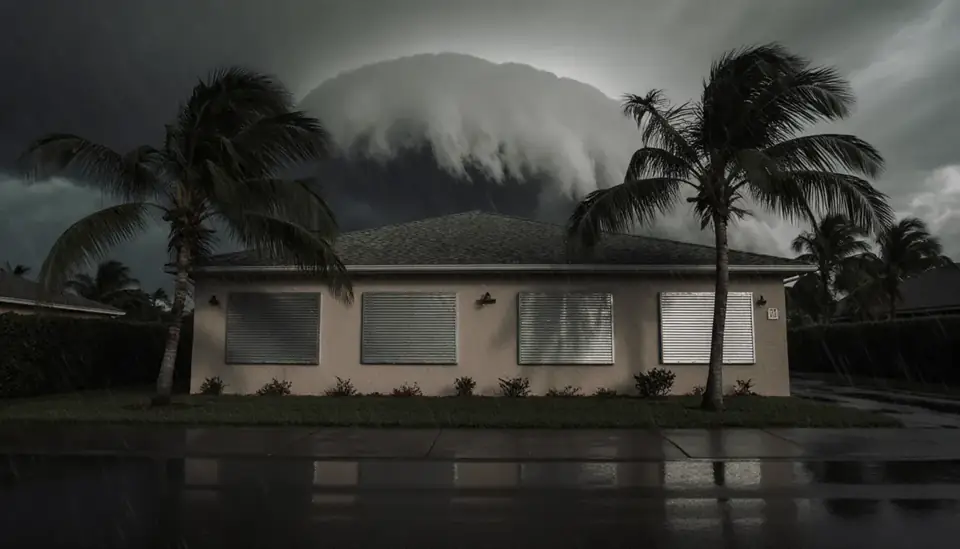
Port Arthur sits at roughly sea level on the western shore of Sabine Lake, the saltwater estuary where the Neches and Sabine rivers meet before reaching the Gulf. A seawall and a ring of levees keep most surge out of town, but rain has nowhere to run off quickly, and the city has learned that lesson more than once. During Hurricane Harvey in 2017, about 26 inches fell in a single day and roughly 20,000 homes took on water.
We do not send crews ourselves: The Restoration Job is a no-cost referral service. Call (888) 317-9980 any hour and we'll connect you with an independent restoration provider that works in Port Arthur, from Pear Ridge and Griffing Park down to Sabine Pass. This page covers what tends to go wrong here and how to handle the first few days.
How the call works: when you call (888) 317-9980, The Restoration Job connects you with an independent restoration provider that serves Port Arthur. That provider inspects the damage, explains the scope and quotes the work. The Restoration Job doesn't perform restoration itself. Read our referral disclosure.
Behind the Seawall: Why Rain Is the Bigger Threat Here
The hurricane protection system around Port Arthur has done its job against surge. When Hurricane Ike pushed water up the upper Texas coast in September 2008, the National Hurricane Center measured surge of about 11 feet at Port Arthur, yet the seawall spared the city the major flooding that neighboring communities suffered. Jefferson County Drainage District No. 7 and the U.S. Army Corps of Engineers are now raising about six miles of existing levee and rebuilding about six miles of floodwall.
The catch is that a wall built to keep the Gulf out also holds rainwater in. Stormwater has to drain through ditches and pump stations, and when a tropical system parks over the county, that system falls behind. The National Weather Service office in Lake Charles lists Port Arthur among the hardest-hit places in Jefferson County during Harvey, when storm totals topped 40 inches across the county and more than 64,000 homes flooded. In practice, most flooded houses here are flooded by rain backing up through streets and yards, not by the lake.
Sabine Pass, Pleasure Island and the Outer Edge of the City
Not all of Port Arthur sits inside the same defenses. Sabine Pass, at the city's southern tip near the mouth of the Sabine River, took considerable surge damage from Hurricane Rita in 2005, when water ran 8 to 10 feet above normal across eastern Jefferson County. Pleasure Island, the 18.5-mile man-made strip between the city and Sabine Lake, is exposed to wind and wave action that the mainland neighborhoods avoid.
Owners of camps, marina buildings and homes in these outer areas should expect salt water rather than rainwater after a storm. Salt residue keeps pulling moisture out of the air long after the surface looks dry, it corrodes wiring and metal fasteners, and it calls for a more thorough flush of affected materials before drying begins. Ask any provider you speak with how they handle saltwater intrusion specifically.
Wind, Roofs and the Rain That Follows
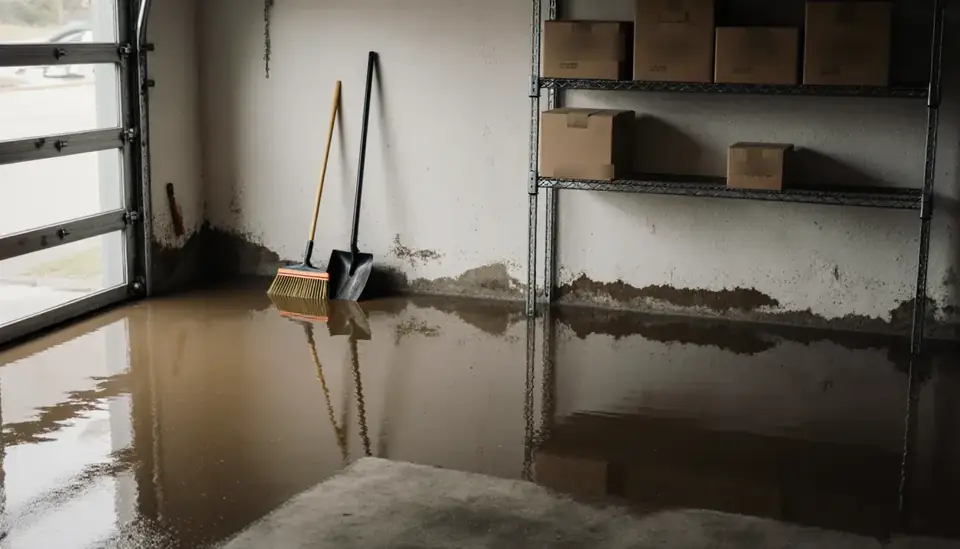
Rita brought winds clocked at 116 mph to the area, and Ike also caused widespread wind damage and long power outages here. A tornado tore through parts of the city on December 28, 2024. The pattern after each event is similar: shingles or decking lifted, a wet attic, then ceiling stains that show up days later in bedrooms and hallways.
A tarp on the roof stops new water, but it does nothing for insulation that is already soaked. Wet blown-in insulation compresses, holds water against the drywall below and should usually be removed rather than dried in place. Our storm damage cleanup page explains what a typical tear-out and dry-down looks like.
Mold in One of the Most Humid Cities in the Country
Port Arthur is tied with Lake Charles for the title of most humid city in the contiguous United States, with average morning humidity near 90 percent. That changes the math on drying. Opening windows to air out a wet house mostly lets in more moisture, and a room that would dry naturally in a drier climate can stay damp for weeks here.
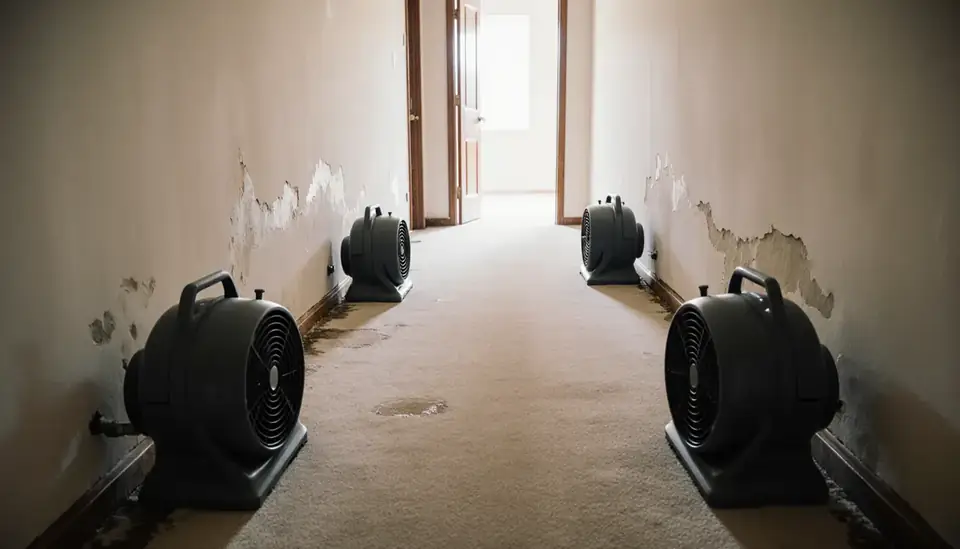
Mold can begin growing on wet drywall, carpet pad and wood in a day or two under these conditions. Running the air conditioner, closing up the house and bringing in dehumidifiers and air movers is a better plan than relying on fresh air. If growth has already spread behind baseboards or into wall cavities, read our notes on mold remediation before deciding what to keep.
First Steps After Your Port Arthur Home Takes On Water
- Shut off power to flooded rooms at the breaker if you can reach it safely, and stay out of standing water near outlets.
- Photograph every room, the waterline on the walls and damaged belongings before anything is moved.
- Call your insurer early. Standard homeowners policies generally exclude rising floodwater, which falls under a separate flood policy through the National Flood Insurance Program.
- Pull up wet rugs and move furniture onto blocks or out of the room.
- Get extraction and drying started within the first day or two, before swelling, delamination and odor set in.
Water damage restoration in a low-lying city usually means removing the bottom two to four feet of drywall, pulling soaked insulation and checking framing with moisture meters until readings return to normal. Plan for that rather than hoping fans alone will save the walls.
Where Callers in the Port Arthur Area Are
Calls come in from across Port Arthur, including:
- El Vista
- Griffing Park
- Lakeview
- Pear Ridge
- Port Acres
- Sabine Pass
- West Side
The same line also serves nearby communities such as:
- Groves
- Nederland
- Port Neches
- Beaumont
- Taylor Landing
- Bridge City
Frequently Asked Questions
Does Port Arthur's seawall mean I don't need flood insurance?
No. The seawall and levees reduce the risk of surge from Sabine Lake and the Gulf, but Harvey showed that heavy rain can still flood thousands of homes inside the protected area. Flood damage from rising water is normally excluded from homeowners policies, so a separate flood policy is what pays for it. Check your property on FEMA's flood maps, and remember that many policies have a waiting period before coverage starts.
Who handles the drainage ditches and pump stations near my house?
Jefferson County Drainage District No. 7 is the agency responsible for reducing flood risk from rainfall and storm surge in the Port Arthur area, and it partners with the Corps of Engineers on the levee and floodwall work. If a ditch near you is blocked or water is ponding longer than it should after a storm, the district's office on Highway 73 is the place to report it.
How can I get warnings before the next storm?
The city encourages residents to register with STAN, the Southeast Texas Alerting Network, which sends emergency notifications by phone and text. Jefferson County's Office of Emergency Management also posts hurricane preparation information. Signing up before hurricane season gives you time to move valuables, clear gutters and photograph your home's condition for any later claim.
My house in Sabine Pass flooded with salt water. Is that handled differently?
Generally, yes. Salt water leaves residue that keeps absorbing moisture and corrodes metal, so restoration providers usually flush affected surfaces with fresh water and remove more porous material than they would after a rain flood. Electrical components that sat in salt water often need an electrician's inspection before power is restored. Mention the source of the water when you call so the right equipment comes.