

Port Neches lines the Neches River about 20 miles inland from the Gulf. The riverside site known as Grigsby's Bluff was home to a Native American town for at least 1,500 years and later to Fort Grigsby, a set of Civil War defenses built in 1862. At about 16 feet above sea level, the city is a little higher than much of south Jefferson County, but the storms of the last two decades have shown that a few extra feet do not keep a house dry.
No crews work for The Restoration Job; the service simply connects callers at no charge. Dial (888) 317-9980 at any hour and we'll link you with an independent restoration provider that works in Port Neches, whether the problem is a flooded den, a failed water heater or a roof that let go during a storm.
How the call works: when you call (888) 317-9980, The Restoration Job connects you with an independent restoration provider that serves Port Neches. That provider inspects the damage, explains the scope and quotes the work. The Restoration Job doesn't perform restoration itself. Read our referral disclosure.
Living Beside the Neches River
The river is the city's front yard. Riverfront Park, at Merriman and Grigsby, covers about 27 acres along the water and has two public boat ramps. That same river reached record crests on its lower reach during Hurricane Harvey in 2017, according to the National Weather Service in Lake Charles, while rainfall totals over 40 inches flooded more than 64,000 homes across Jefferson County.
Levees along this part of the river are being strengthened. Jefferson County Drainage District No. 7 and the U.S. Army Corps of Engineers are working on the Port Arthur hurricane protection project, which includes about 1,800 feet of new earthen levee in the Port Neches area along with raised levees and rebuilt floodwalls elsewhere in the system. Even with that work, heavy local rain still has to drain through streets, ditches and pump stations, and that is where most household flooding starts.
Imelda, Harvey and the Problem of Repeated Soaking
Two major rain events in two years left a mark across mid-county. After Harvey came Tropical Storm Imelda in September 2019, which poured 44 inches near Fannett and flooded around 5,100 homes in Jefferson County. A household that flooded in both storms faced a second round of tear-out barely two years after the first.
Repeat flooding complicates restoration. Framing that was dried in 2017 may have been wet again in 2019, and patched drywall can hide old damage. If your home has flooded before, tell the restoration provider and your adjuster, and expect the crew to open walls further than the current waterline to check what is behind earlier repairs. Thorough structural drying with documented moisture readings matters more the second time around.
Mold Pressure in a Humid River Town
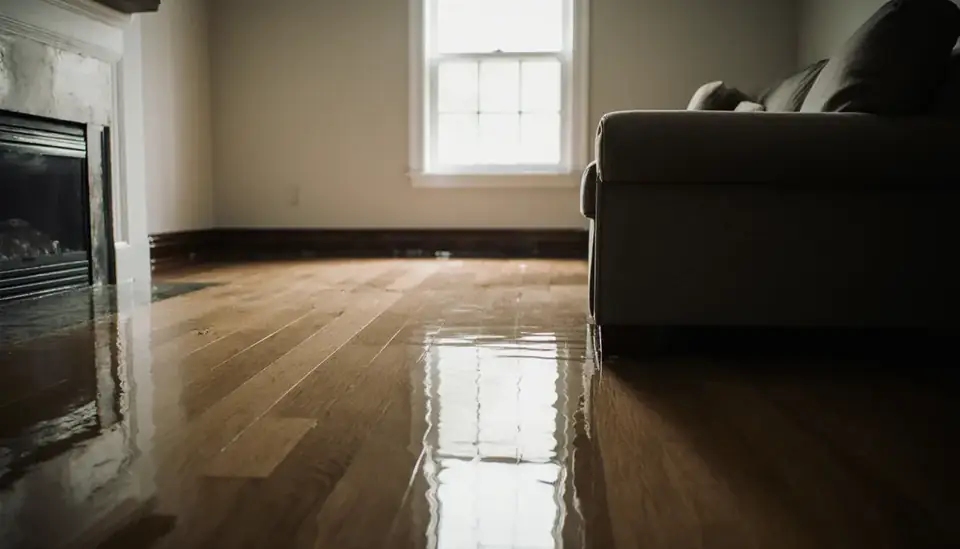
The air along the Neches is damp most of the year, and a closed-up house that took on water can develop visible mold within days. Typical places it shows up first are the backs of baseboards, the underside of carpet pad, inside lower kitchen cabinets and behind furniture pushed against an exterior wall.
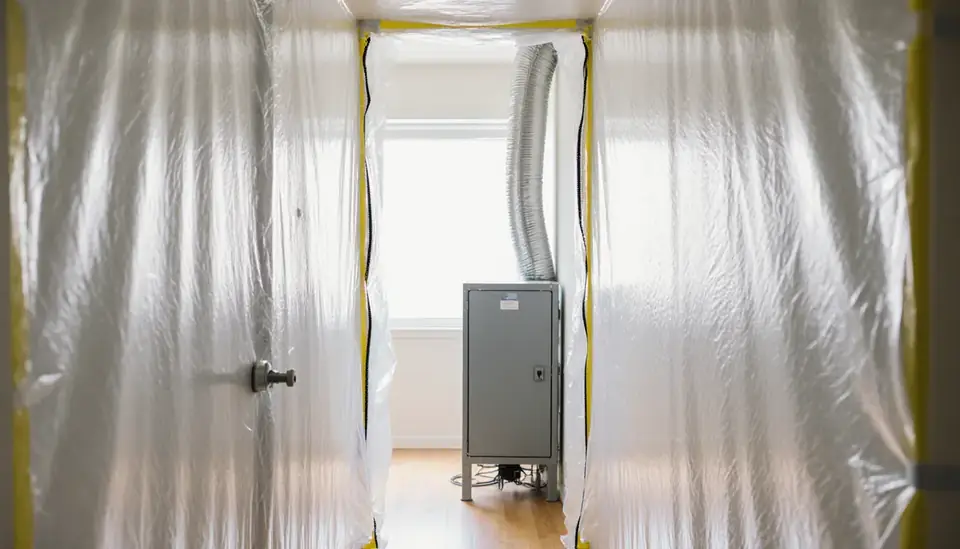
The fix is source control and speed: stop the water, remove what cannot be dried, and bring humidity down with dehumidifiers and air conditioning rather than open windows. Surface spots on hard materials can often be cleaned. Growth that has spread into wall cavities or across large areas generally calls for containment and removal of the affected material, which is described on our mold removal page.
A Practical Order of Work for Port Neches Homeowners
- Make the house safe: turn off electricity to wet areas and shut the main water valve if a pipe or appliance is leaking.
- Document the damage with photos and video before cleanup, including the waterline on walls.
- Report the loss to your insurer. Homeowners coverage usually handles sudden plumbing leaks; rising floodwater is a separate flood insurance matter.
- Start water extraction and remove soaked carpet, pad and lower drywall within the first 24 to 48 hours.
- Keep receipts for fans, dehumidifiers, hotel stays and anything else you pay for.
For questions about street flooding or a drainage ditch near your property, the city's public works department handles streets and drainage, and the drainage district maintains the larger channels.
Planning Ahead: Alerts and Evacuation Information
Port Neches residents know what a sudden evacuation looks like. When the TPC Group plant exploded on November 27, 2019, a mandatory evacuation covered roughly 60,000 people in the surrounding area. Hurricanes bring the same need for fast information. The city's hurricane page links to an inland evacuation map for the Beaumont district and encourages everyone to register cell phones with STAN, the Southeast Texas Alerting Network.
Before a storm, photograph each room, move important papers upstairs or into waterproof containers, and clear gutters and nearby storm drains. Those few steps make cleanup and any insurance claim far easier. For conditions in neighboring towns, see our pages on Nederland and the wider Texas service area.
Port Neches Neighborhoods and Surrounding Towns
The same line also serves nearby communities such as:
- Nederland
- Groves
- Port Arthur
- Beaumont
- Bridge City
- Taylor Landing
Questions From Port Neches Property Owners
Is Port Neches protected by a levee?
Parts of the area are within the hurricane flood protection system maintained by Jefferson County Drainage District No. 7. A current Corps of Engineers project includes building about 1,800 feet of new earthen levee in the Port Neches area. Levees reduce surge risk from the river and the coast, but they do not stop flooding caused by heavy rain falling inside the protected area, so flood insurance is still worth considering.
Who do I call about a blocked ditch or street flooding?
For streets and smaller drainage in the city, contact Port Neches public works through City Hall at 1005 Merriman, (409) 727-2181. Larger drainage channels and pump stations in the area fall under Drainage District No. 7. Reporting a blocked culvert before hurricane season gives crews time to clear it before it matters.
My house flooded during Harvey and again during Imelda. What should I watch for?
Hidden moisture and old mold behind earlier repairs. Ask whoever handles the restoration to check framing and subfloor with moisture meters beyond the visible waterline, and to look at materials that were reinstalled after 2017. Keep records of both losses, since your insurer will likely ask about prior claims and what was repaired.