
Bellaire calls itself the City of Homes, and the label fits. The 3.6-square-mile city is entirely surrounded by Houston, sits about 52 feet above sea level and has no lakes or streams within its limits. William Wright Baldwin laid it out on former ranchland in 1908, and the postwar boom took the population from around 10,000 in 1950 to nearly 20,000 by 1960. Many of the modest three-bedroom houses from that era have since been torn down and replaced with much larger homes on the city's generous 75-by-130-foot lots, often with pools.
The Restoration Job is a free referral service, not a restoration company. Call (888) 317-9980 any time and we'll connect you with an independent provider serving Bellaire, Texas for water removal, drying, repairs and mold work.
How the call works: when you call (888) 317-9980, The Restoration Job connects you with an independent restoration provider that serves Bellaire. That provider inspects the damage, explains the scope and quotes the work. The Restoration Job doesn't perform restoration itself. Read our referral disclosure.
No Bayou in Town, but Plenty of Rain
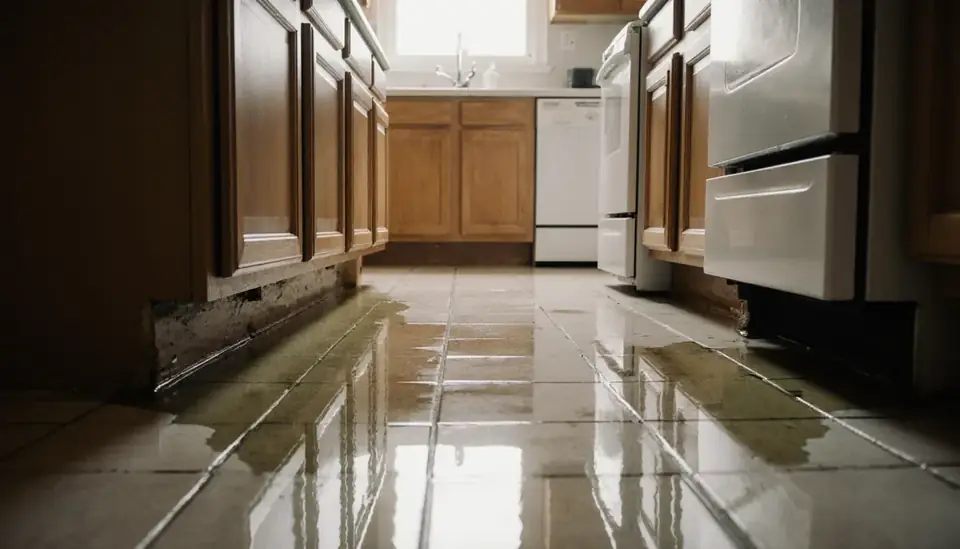
Because Bellaire has no water bodies of its own, most flooding here comes from rain that falls faster than streets and storm sewers can carry it away. Southwest Harris County drains largely toward Brays Bayou, a 31-mile channel whose 129-square-mile watershed is home to more than 717,000 people. That watershed has a long flood record: Tropical Storm Allison in 2001 flooded about 6,000 homes, an extreme rainfall in May 2015 flooded more than 400 homes in Houston's Meyerland neighborhood, more flooding followed in April 2016, and Hurricane Harvey brought worse in 2017.
Harvey left 27.07 inches at a gauge about four miles west of Bellaire, according to the National Weather Service. In storms like that, water first collects in the streets, then pushes into driveways, garages and low entry doors. Project Brays, a joint effort of the U.S. Army Corps of Engineers and the Harris County Flood Control District, has been deepening the bayou and building detention basins to reduce that risk.
Teardowns, Rebuilds and Where the Plumbing Goes
Bellaire's mix of housing creates two different leak profiles. Remaining postwar ranch homes are single-story slab houses with aging water heaters, supply lines and drain lines. The newer, larger rebuilds tend to put bathrooms, laundry rooms and air handlers on a second floor or in the attic, so a failed hose or overflowing drain pan sends water down through ceilings and walls into the rooms below.
- Upstairs washing machine hoses and pans are worth checking yearly.
- Attic AC condensate lines should drain freely, with a float switch or secondary pan in place.
- Pool equipment and irrigation lines can leak near foundations without anyone noticing.
- Tankless and tank water heaters both need their connections checked.
Proper water damage repair in a two-story home starts with tracing how far water spread through ceiling and wall cavities, not just where it dripped out.
Stopping a Leak and Starting the Dry-Out
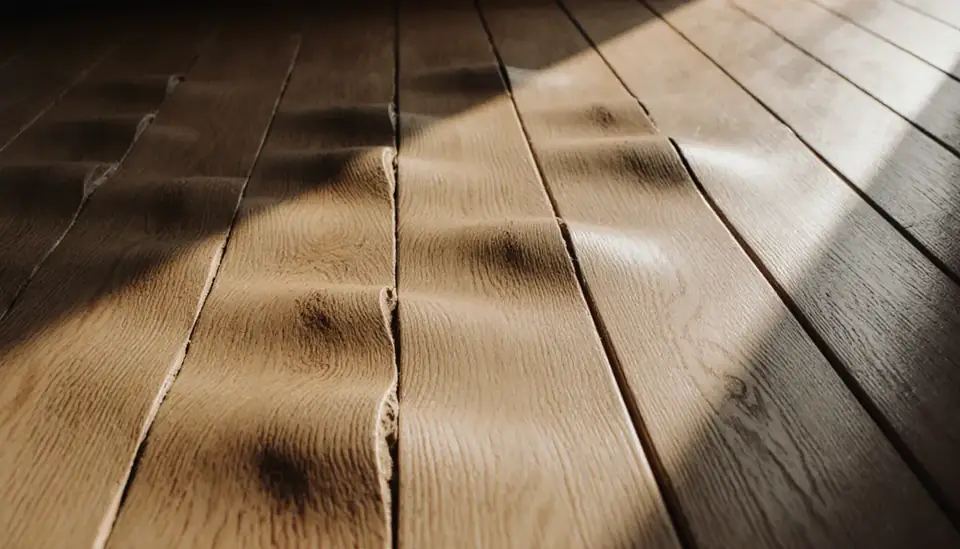
Shut off the main or the fixture valve, cut power to wet areas if you can do it from a dry spot, and take photos before moving anything. Lift rugs and furniture off wet floors, and remove valuables from lower cabinets. Then call your insurer and arrange water damage restoration so extraction and dehumidification start quickly.
A restoration crew will usually take moisture readings, remove anything that can't be dried, and set up drying equipment. Expect daily checks until readings fall to normal. Keep all reports and receipts; adjusters typically ask for them.
Freezes in a Climate Built for Heat
Bellaire homes are designed around long, hot summers, which leaves them exposed during rare hard freezes. In February 2021, frozen and burst pipes disrupted water service for more than 12 million Texans, and more than 5 million were without power at the peak. Pipes in attics and exterior walls are the usual casualties, and damage often shows up only after temperatures rise and water starts moving again.
Mold Behind Walls in Humid Southwest Houston
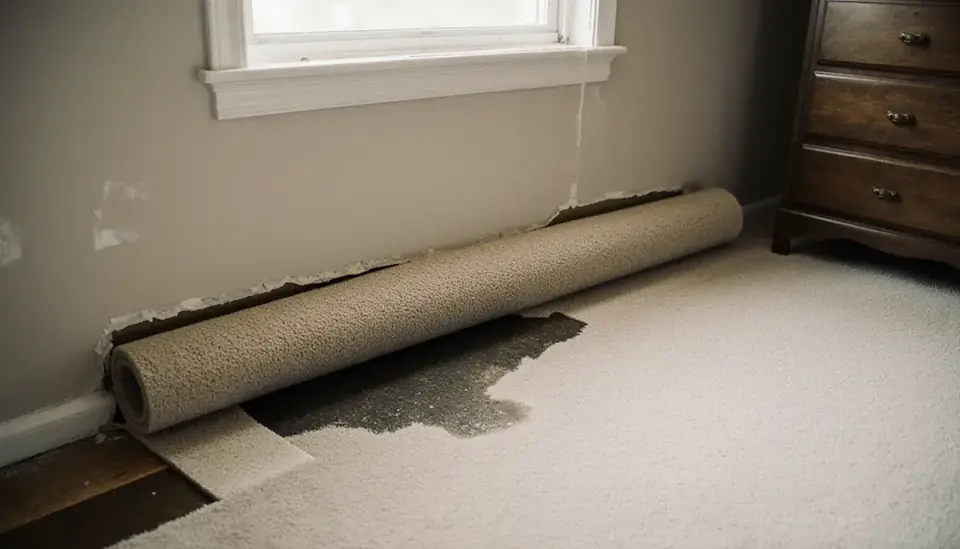
Houston-area humidity keeps wet drywall and insulation damp, and mold often develops within days. In two-story homes, moisture trapped above a ceiling or inside a wall cavity is easy to miss. If you notice staining, peeling paint or a musty smell after a leak, have the area checked with a moisture meter. Removing affected materials under containment works far better than painting over spots.
Areas In and Around Bellaire
Calls come in from across Bellaire, including:
- Southdale
- Braeburn Country Club Estates
- Broad Acres
The same line also serves nearby communities such as:
- Houston
- West University Place
- Southside Place
- Missouri City
Questions From Bellaire Property Owners
Bellaire has no bayou inside the city. Can my house still flood?
Yes. Most flooding here comes from intense rain that overwhelms streets and storm drains, not from a river overflowing. During Hurricane Harvey a gauge just west of the city recorded over 27 inches. Water can reach slab homes through garages and low thresholds even outside mapped high-risk zones, so check FEMA's flood map and consider flood insurance.
An upstairs bathroom leaked into my living room ceiling. What happens now?
Stop the water at the fixture valve or main and turn off power to the affected room if lights or fans got wet. A provider will check the ceiling cavity, insulation and walls with moisture meters, cut out saturated drywall, and dry the framing. Sagging ceilings should be left alone until someone can safely bring them down, since they can hold a surprising amount of water.
Does my homeowners policy cover water damage from street flooding in Bellaire?
Rising surface water is typically excluded from homeowners policies and covered only by separate flood insurance through the National Flood Insurance Program or a private carrier. Sudden plumbing failures inside the home are usually homeowners claims. Read your declarations page and talk with your agent about which policy applies before storm season.