

La Porte occupies the northwest corner of Galveston Bay near the mouths of Buffalo Bayou and the San Jacinto River, close to the battlefield where Texas won its independence on April 21, 1836. Much of the city sits only about 20 feet above sea level. In the 1920s and 1930s, Sylvan Beach drew crowds to an amusement park on the shore; today Barbours Cut Terminal and the Bayport Industrial District anchor a city of 35,124 people, the fourth-largest incorporated city in Harris County.
Bayfront living comes with a long hurricane history. The Restoration Job is a free referral line, not a restoration firm. Call (888) 317-9980 any time and we'll connect you with an independent provider serving La Porte and nearby bay communities.
How the call works: when you call (888) 317-9980, The Restoration Job connects you with an independent restoration provider that serves La Porte. That provider inspects the damage, explains the scope and quotes the work. The Restoration Job doesn't perform restoration itself. Read our referral disclosure.
A Century of Hurricanes on the Bay Shore
Storms have reshaped La Porte more than once. The 1900 Galveston hurricane seriously damaged the young resort town's attractions, a hurricane and a major fire caused heavy losses in 1915, and a hurricane in 1943 destroyed most of the remaining tourist attractions along the waterfront.
More recently, Hurricane Ike made landfall on September 13, 2008, as a Category 2 storm. The National Weather Service in Houston estimated surge of 10 to 15 feet along Galveston Island and the west side of Galveston Bay, the side La Porte sits on. Surge water is salty, carries debris and silt, and can rise quickly through low-lying blocks near the shoreline, so homes close to the bay should follow evacuation orders rather than waiting to see how high the water gets.
Rain Floods Away From the Water's Edge
Surge is not the only threat. On ground this low and flat, heavy rain alone can overwhelm streets and ditches. Hurricane Harvey dropped 41.40 inches at a gauge two miles southeast of La Porte between August 25 and 31, 2017, according to the National Weather Service. Tropical Storm Allison in June 2001 caused about $4.88 billion in damage in Harris County, and one northeast Houston station recorded more than 26 inches in about 10 hours.
Rainwater that comes into a house from outside is still treated as contaminated. A provider handling flood cleanup will typically remove wet carpet, pad and lower drywall, clean and disinfect what remains, and dry the structure with commercial dehumidifiers.

Salt Water, Silt and What Has to Come Out
Saltwater flooding leaves more behind than freshwater. Salt residue keeps drawing moisture into drywall, wood and insulation, and it accelerates corrosion on wiring, appliances, HVAC components and metal fasteners. Silt settles inside wall cavities and under cabinets.
- Have an electrician inspect wiring, outlets and the panel before power is restored to flooded areas.
- Expect most porous materials touched by surge to be removed rather than dried.
- Rinse and clean framing and the slab before drying begins.
- Ask that HVAC equipment and ductwork exposed to surge be evaluated before use.
Thorough structural drying after cleaning, verified with moisture readings, sets up a sound rebuild.
Wind, Roofs and Long Outages
Hurricane-force wind off the bay can peel shingles, lift flashing and break windows, letting rain blow into attics and walls even where floodwater never reaches. After Ike, between 2.8 million and 4.5 million customers across the region lost power, some for weeks. In July 2024, Hurricane Beryl cut power to more than 2.7 million customers statewide.
Without air conditioning, a wet house stays humid and damage grows. Tarp roof openings quickly, remove wet insulation and ceiling drywall, and use generator-powered drying equipment where it can be run safely outdoors. Storm damage cleanup providers often handle tarping and board-up alongside interior drying.
Bay Humidity and Mold After a Storm
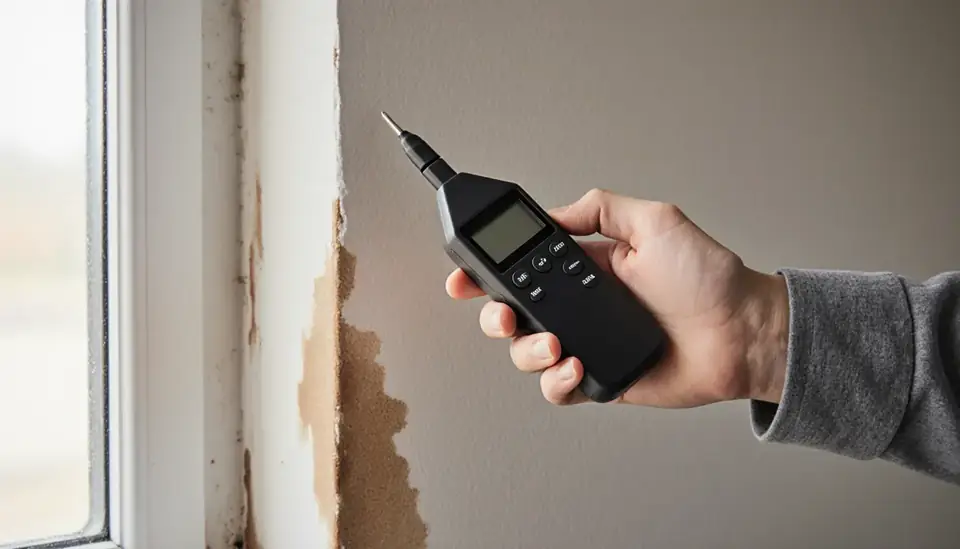
Air near Galveston Bay is damp for much of the year, and after a storm the combination of wet materials, heat and power outages creates ideal conditions for mold. Growth can appear on drywall, wood trim and furniture within a couple of days.
Remove soaked porous materials as early as possible, keep air moving and get the humidity down. Larger areas of growth, or growth inside walls, should be handled with containment by a professional.
Where Callers in the La Porte Area Are
Calls come in from across La Porte, including:
- Lomax
- Sylvan Beach
The same line also serves nearby communities such as:
Questions From La Porte Property Owners
How do I know if my La Porte home is in a hurricane evacuation zone?
Harris County emergency management shares hurricane preparedness information and alerts through Ready Harris. Check your evacuation zone before hurricane season, sign up for alerts and plan where you would go. Homes closest to Galveston Bay and in low-lying areas are generally the first asked to leave when a storm threatens surge.
Is storm surge covered by homeowners insurance?
Generally, no. Storm surge is treated as flooding and is covered under a separate flood policy, such as one through the National Flood Insurance Program. Wind damage, such as a torn roof and the rain that follows, is usually handled by homeowners or windstorm coverage. After a hurricane you may need to file with more than one carrier, so document damage carefully.
Can furniture soaked by saltwater surge be saved?
Upholstered furniture, mattresses and particleboard pieces soaked by surge usually cannot be saved because they absorb contaminated, salty water. Solid wood furniture can sometimes be cleaned and dried slowly, away from direct sun. Photograph everything before discarding it and keep an inventory for your insurance claim. Ask the restoration provider to note which items were removed and why.
What should I do first when I return after an evacuation?
Wait for officials to say it is safe. Check for downed power lines, gas smells and structural damage before going inside. Photograph the exterior and every room, then turn off power at the main breaker if water reached outlets and you can reach it from a dry spot. Call your insurers and arrange for extraction and drying as soon as possible.