
Richmond started in 1822 as a fort on the Brazos River and was incorporated in 1837 as one of the first 19 cities of the Republic of Texas. Nearly two centuries later it is still the Fort Bend County seat, still small at about 4.4 square miles and 11,600 residents, and still shaped by the river. The Brazos cuts straight through town: most homes and businesses are on the southwest bank, while a smaller area called Richmond Landing sits on the northeast side. Rosenberg borders the city to the southwest, and Sugar Land is about eight miles east along US 90A.
The Restoration Job is a no-cost referral line. Call (888) 317-9980 and we'll connect you with an independent restoration provider that serves Richmond for water removal, drying, mold work and repairs. Many such providers answer emergency calls during floods.
How the call works: when you call (888) 317-9980, The Restoration Job connects you with an independent restoration provider that serves Richmond. That provider inspects the damage, explains the scope and quotes the work. The Restoration Job doesn't perform restoration itself. Read our referral disclosure.
A Record Brazos Crest in 2017
Hurricane Harvey's rain fell on Fort Bend County for days in late August 2017. Gauges a few miles from town measured 36.56 inches northeast of Richmond and 29.36 inches to the southeast, according to the National Weather Service. The Brazos then rose to a record level at Richmond, with major flooding extending downstream to Rosharon. The agency's report lists flooding along Edgewood and Baudet roads in Richmond.
The Brazos is a long river draining a large part of Texas, so its floods arrive slowly and stay a while. Water can still be climbing in Richmond days after the local sky clears. Watching official river forecasts and leaving early when evacuation orders come out is the safest approach for anyone near the banks.
Historic Buildings, Postwar Houses and Water
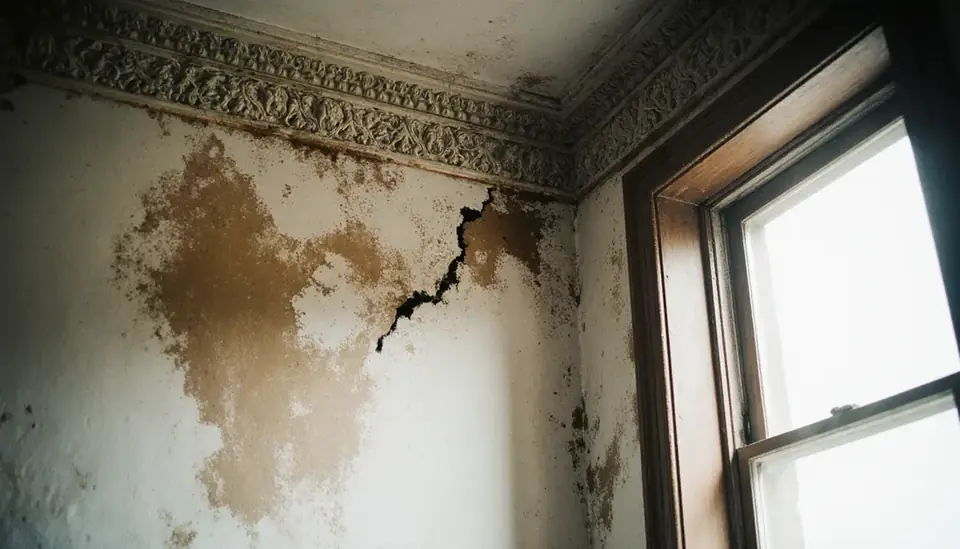
Richmond's housing ranges from old structures near downtown to neighborhoods like Winston Terrace, built after World War II, and Hillcrest. Homes of that age may have plaster walls, original wood floors or plumbing that has been patched over the decades. Each reacts to water differently. Plaster holds moisture longer than modern drywall, and hardwood can cup or buckle if it is not dried carefully and slowly.
Older houses also tend to hide leaks in places you can't see, like under flooring or inside walls next to a bathroom. For these homes, careful structural drying that saves original materials where possible is often preferable to tearing everything out, though floodwater-soaked materials usually still have to go.

Steps After River Water Gets Inside
Return only when officials say it is safe and power to flooded rooms is off. From there:
- Photograph and video every room, including the waterline on walls.
- Remove standing water and mud as soon as possible.
- Pull out wet carpet, pad, furniture and anything porous that the river touched.
- Cut out drywall and insulation above the waterline to let wall cavities dry.
- Clean and disinfect remaining surfaces, then dry with dehumidifiers before rebuilding.
Professional flood cleanup crews can do the extraction and tear-out while you deal with insurance and temporary housing. If you live on the other side of the line in Rosenberg, the same process applies; see our Rosenberg water damage page.
Leaks That Have Nothing to Do With the River
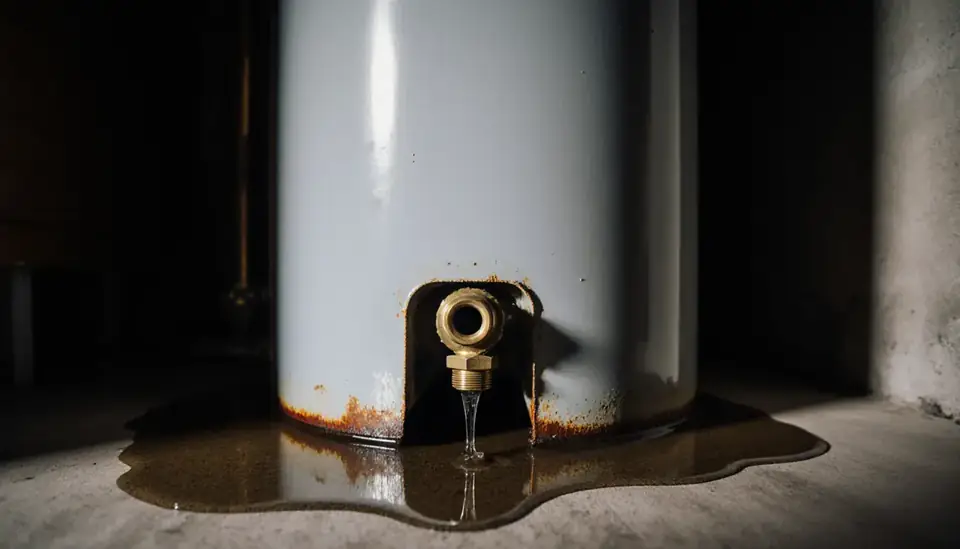
Most water damage in Richmond happens on ordinary days: a water heater rusting through, a toilet supply line splitting, a dishwasher leaking under the cabinet, or a clogged AC drain overflowing in the attic during a hot summer. February 2021 added frozen pipes to the list, when burst plumbing disrupted water service for more than 12 million people across Texas.
Shut off water at the main as soon as you find a leak, move belongings out of the wet area, and get drying started within a day or two.
Preventing Mold in a River Town
Humidity on the Fort Bend coastal plain stays high much of the year, and that is the main reason mold follows water damage here so often. Floodwater leaves silt in walls and under flooring that stays damp and feeds growth. Even clean-water leaks can lead to mold within days if materials stay wet.
Dehumidification and verified moisture readings prevent most problems. Once mold has started, removal under containment and fixing the moisture source keep it from coming back.
Richmond Neighborhoods and Surrounding Towns
Calls come in from across Richmond, including:
- Hillcrest
- Winston Terrace
- Richmond Landing
The same line also serves nearby communities such as:
- Rosenberg
- Sugar Land
- Pleak
- Fulshear
- Needville
Questions From Richmond Property Owners
Where do I get Brazos River flood warnings for Richmond?
The National Weather Service Houston/Galveston office issues river forecasts and flood warnings for the Brazos. Fort Bend County Homeland Security and Emergency Management, headquartered in Richmond on Jackson Street, offers eNotification sign-ups, a floodplain map and alerts on AM 1670. Sign up before storm season so warnings reach you directly.
Can water-damaged hardwood floors in an older Richmond home be saved?
Sometimes. If the water was clean, such as from a supply line, and drying starts quickly, hardwood can often be dried in place with specialized equipment and then sanded or refinished. Floodwater from the river is contaminated, so floors that sat in it usually need to be removed. A provider can measure moisture to judge whether saving the floor is realistic.
Will my homeowners policy pay for Brazos flood damage?
Standard homeowners policies generally exclude rising floodwater. That coverage comes from a separate flood insurance policy, usually through the National Flood Insurance Program or a private carrier. Plumbing leaks and wind-driven rain through a damaged roof are more often homeowners claims. Check your policy and your mapped flood zone on FEMA's Flood Map Service Center.