
Pasadena stretches from the Houston Ship Channel on its northern edge down to a short stretch of Galveston Bay shoreline in the southeast, and most of it sits around 30 feet above sea level. That puts the city between two kinds of water trouble: heavy rain that has to drain across flat ground toward Vince's Bayou, Armand Bayou and the channel, and tropical systems that push wind and water in from the bay. More than 150,000 people live here, many of them in houses within a few miles of the refineries that have lined the channel since roughly 1917.
The Restoration Job is a free phone service that puts you in touch with independent restoration companies. Call (888) 317-9980 and we'll connect you with a provider covering Pasadena for extraction, drying, cleanup and repairs. Many providers in southeast Harris County offer emergency service when storms move through.
How the call works: when you call (888) 317-9980, The Restoration Job connects you with an independent restoration provider that serves Pasadena. That provider inspects the damage, explains the scope and quotes the work. The Restoration Job doesn't perform restoration itself. Read our referral disclosure.
Armand Bayou, Vince's Bayou and Slow Drainage on the Prairie
Armand Bayou begins in Pasadena and winds about ten miles southeast toward Mud Lake and the Clear Lake area. Its 59-square-mile watershed, which also takes in parts of Deer Park and La Porte, has 89 miles of natural streams. Further north and west, Vince's Bayou carries runoff toward the Ship Channel. On paper that sounds like plenty of outlets, but the land is so flat that rainwater moves slowly, and a few inches in an hour can pool in streets and yards long before any bayou overtops its banks.
That is why so many Pasadena water losses start at ground level: water creeping under a garage door, a flooded driveway pushing into a slab home, or a storm drain backing up. A home outside the mapped floodplain can still take water this way, and the Harris County Flood Control District's flood warning system is worth checking whenever heavy rain is forecast.
Life Next to Galveston Bay During Hurricane Season
Hurricane Ike made landfall over Galveston as a Category 2 storm early on September 13, 2008. Storm surge flooded most homes and businesses east of State Highway 146 in nearby Seabrook and La Porte, and between 2.8 and 4.5 million customers across the Houston area lost power. Pasadena's position near the bay means tropical storms tend to bring both damaging wind and long periods of heavy rain.
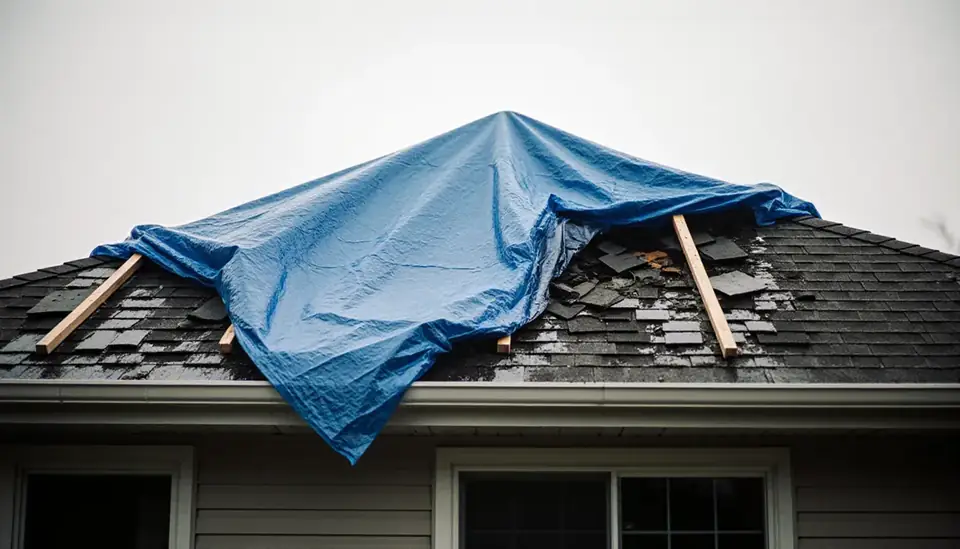
Wind-driven rain is often the first problem. Lifted shingles, cracked skylights and damaged soffits let water into attics, where it soaks insulation and stains ceilings before anyone notices. Prompt storm damage cleanup includes tarping, removing wet insulation and drying ceiling cavities so a single leak doesn't turn into sagging drywall a week later.

Sorting Clean Water From Floodwater
Restoration crews treat water differently depending on where it came from, and that decision shapes the whole job:
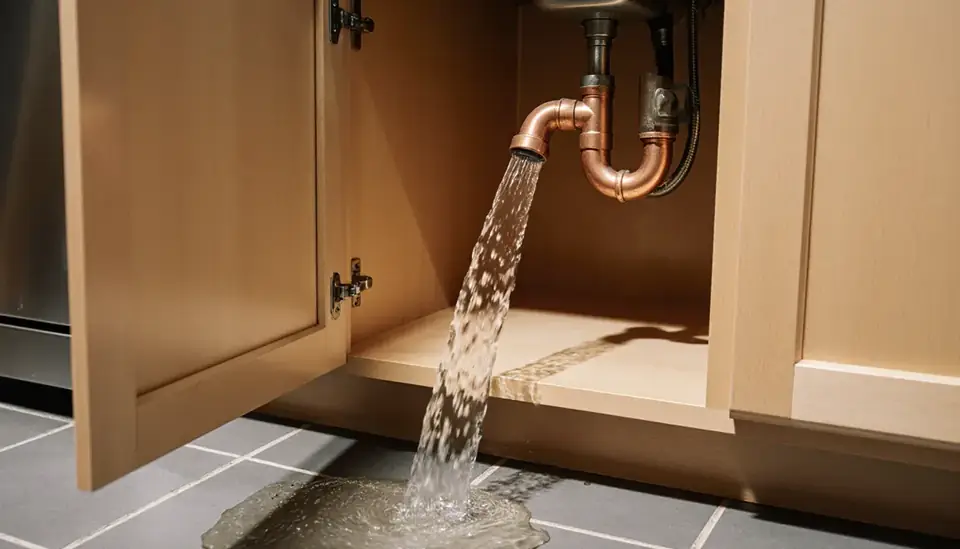
- Clean water from a broken supply line, ice maker or water heater can often be dried in place if extraction starts quickly.
- Gray water from a washing machine or dishwasher overflow needs cleaning and sanitizing of affected surfaces.
- Floodwater that came in from a street, yard or bayou is treated as contaminated, so soaked carpet, pad, lower drywall and insulation are typically removed.
Near the industrial corridor, it is reasonable to ask whether runoff may have carried oils or chemicals, and to mention any odors or sheen to both your insurer and the provider. For heavy losses, water extraction comes first, followed by demolition of anything that can't be saved, then structural drying with daily moisture checks.
Insurance Paperwork Worth Starting Right Away
Water coming up from outside the house is generally a flood claim, which falls under a separate flood insurance policy rather than standard homeowners coverage. Water from a plumbing failure inside the home is usually a homeowners claim. Many households in Harris County carry both, and a single storm can produce damage under each policy: a roof leak on one side of the house and rising water on the other.
Before cleanup begins, photograph every room, the waterline on walls and the serial plates on damaged appliances. Keep samples of flooring and cabinet material if they are removed, and hold on to receipts for fans, tarps and temporary lodging. A restoration provider can usually supply moisture readings and drying logs, which adjusters often ask for.
Bay Air, Long Summers and Mold on Drywall
Humid Gulf air doesn't give wet materials much chance to dry on their own. Inside a closed-up house with a soaked carpet pad, moisture rises into baseboards and the bottom of drywall, and mold can start within days. Leaving the AC running and the house closed won't solve it if water is trapped under flooring or inside a wall.
Remove wet rugs and padding when it is safe, open closet and cabinet doors, and let a professional measure moisture behind surfaces. If spotting has already appeared, mold remediation with proper containment is the cleaner route than scrubbing with bleach and hoping it doesn't return.
Neighborhoods and Nearby Communities
Calls come in from across Pasadena, including:
- Golden Acres
- Allendale
- Baywood Oaks
- Parkview Estates
The same line also serves nearby communities such as:
Common Questions
Can Pasadena homes flood from rain alone, without a hurricane?
Yes. Flat terrain and slow drainage toward Armand Bayou, Vince's Bayou and the Ship Channel mean an intense thunderstorm can leave streets underwater and push water into slab homes and garages. Harris County flood officials say a major flood happens somewhere in the county about every two years, so heavy rain outside hurricane season is reason enough to watch local flood warnings.
What should I do first if water is coming in under my door?
Put your safety first: if water is near outlets or appliances, shut off power to that area at the breaker only if you can do so from a dry spot. Move valuables and electronics up, block gaps with towels if water is shallow, and take photos once it stops. Then call your insurer and a restoration provider to extract water and start drying before the slab and walls absorb more.
Is it worth carrying flood insurance in Pasadena if I'm not near the bay?
Bay frontage is only one source of risk; heavy rain and street ponding reach inland blocks too. Flood insurance through the National Flood Insurance Program or a private carrier is separate from homeowners coverage, and it has to be in place before a storm arrives to help with that storm. Checking your address on FEMA's Flood Map Service Center tells you your mapped zone, though street flooding can still reach homes outside the high-risk areas.