
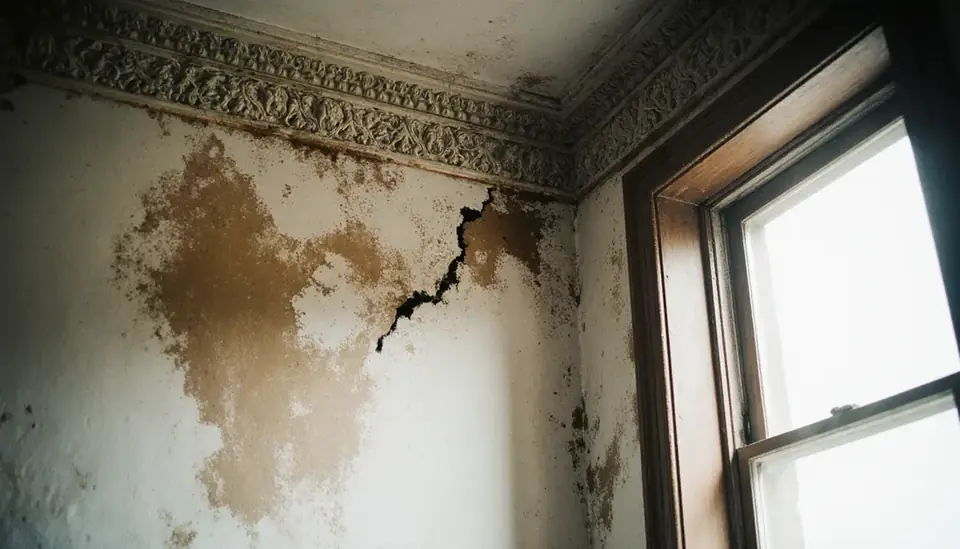
Bryan has been the Brazos County seat since 1866, and its older core shows it: the Downtown Bryan Historic District, the East Side Historic District, and blocks of houses built long before modern plumbing codes. Newer subdivisions surround that core, and Lake Bryan lies to the northwest. The Brazos River stays about nine miles to the southwest, so most local water trouble comes from somewhere else, chiefly the eight creek systems that carry the city's runoff, plus storms, freezes and aging pipes.
The Restoration Job is a no-cost referral service rather than a restoration company. Call (888) 317-9980 any time and we'll connect you with an independent provider that serves Bryan and the surrounding Brazos Valley.
How the call works: when you call (888) 317-9980, The Restoration Job connects you with an independent restoration provider that serves Bryan. That provider inspects the damage, explains the scope and quotes the work. The Restoration Job doesn't perform restoration itself. Read our referral disclosure.
Burton, Turkey, Still and the Other Creeks That Drain Bryan
According to the city's floodplain page, storm drains feed eight creek systems: Carters, Burton, Briar, Hudson, Thompson, Still, Cottonwood Branch and Turkey, which in turn empty into the Brazos or the Navasota. Those creeks, not the big rivers, define most of the mapped floodplain inside the city. Bryan requires new or substantially improved buildings in the floodplain to put the lowest finished floor at least a foot above the 100-year flood level, which means older homes beside a creek may sit lower than their newer neighbors.
If your house is close to one of these channels, look it up on the FEMA flood map before the next wet season.
Flood Insurance and the City's CRS Discount
The city spells out that homeowners insurance does not cover flood damage, and that National Flood Insurance Program coverage is available to every resident. Because Bryan participates in FEMA's Community Rating System with a Class 7 rating, residents receive a 15 percent discount on NFIP premiums. That makes a separate flood policy more affordable than many people assume, even outside a mapped high-risk zone. New policies typically have a waiting period before they take effect, so buying one when a storm is already forecast is usually too late.
Old Pipes in the East Side and Downtown Blocks
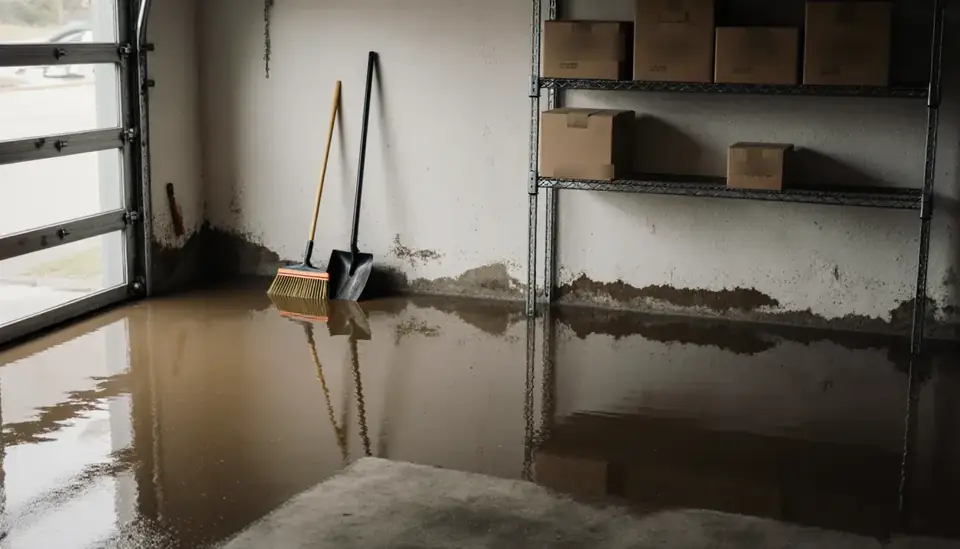
Houses and storefronts in the historic districts often combine original framing, wood floors and plaster with plumbing that has been replaced in pieces over the decades. Leaks in those buildings can start at an old fitting inside a wall or under a raised floor and spread before anyone notices. In a pier-and-beam house, water drops into the crawl space and soaks joists and subfloor; in a two-story commercial building downtown, it can travel along framing to a tenant below. Careful moisture mapping matters here, because tearing out plaster or historic trim that could have been dried is a loss you can't easily replace.
Many providers that handle water damage repair will discuss drying in place versus removal before cutting anything.
After the Water: A Bryan Checklist
- Stop the source: close the main shutoff for plumbing leaks, and tarp roof openings only when it's safe.
- Cut power to wet areas at the breaker.
- Treat creek or street floodwater as contaminated; wear boots and gloves and keep kids out.
- Photograph rooms, contents and the water line on walls before cleanup.
- Call your insurer and, if you have NFIP coverage, start that claim separately.
- Sign up for city emergency notifications so you get warnings before the next storm.
Professional flood cleanup generally includes extraction, removal of wet drywall and insulation, cleaning and disinfecting, and a monitored drying period.

Forty Inches of Rain and Long, Humid Summers
The city averages about 40 inches of precipitation a year, and summer humidity is persistent. That combination lets mold get started quickly on drywall, carpet pad and crawl space wood that stay damp. Clues include a musty odor, dark spotting at the base of walls, or wood floors that begin to cup weeks after a leak. Drying the structure fully, not just the surfaces, is the most reliable way to prevent it. Nearby College Station sees the same climate but a different mix of housing.
Neighborhoods and Nearby Communities
Calls come in from across Bryan, including:
- Downtown Bryan
- East Side Historic District
The same line also serves nearby communities such as:
- College Station
- Wixon Valley
- Kurten
- Navasota
- Hearne
Common Questions
Which creeks cause flooding in Bryan?
The city lists eight creek systems that receive its storm drainage: Carters, Burton, Briar, Hudson, Thompson, Still, Cottonwood Branch and Turkey. Mapped floodplain in town follows these channels. Whether a particular house is at risk depends on its elevation and distance from them, so check the FEMA Flood Map Service Center or ask the city's engineering staff about your lot.
Do Bryan residents get a discount on flood insurance?
Yes. Bryan takes part in FEMA's Community Rating System and holds a Class 7 rating, which gives residents a 15 percent discount on National Flood Insurance Program premiums. Remember that standard homeowners policies exclude flooding, so the NFIP policy is a separate purchase, usually through a local insurance agent, and coverage typically begins only after a waiting period.
Should water-damaged plaster in an older Bryan home be torn out?
Not automatically. Plaster on lath can often be dried in place if the water was clean and it's addressed quickly, while drywall soaked by floodwater is usually removed. A provider should take moisture readings, consider the water source, and explain the options. In historic houses, saving original materials where it's safe to do so is often worth the extra drying time.
Does the Brazos River flood homes in Bryan?
Rarely. The river runs about nine miles southwest of the city, and the highest crests listed at the gauge near Bryan stayed below its 52-foot minor flood stage, which affects mainly farmland and backwater up the Little Brazos River. Local creek flooding and heavy rain on poorly drained lots are far more common causes of water inside homes here.