
Leander began in 1882 as a stop on the Austin and Northwestern Railroad, and for most of the next century it stayed small. In 1980 the town had about 2,200 residents. By 2020 it had more than 59,000, and estimates put it above 90,000 in 2025. That growth means most homes here are only a few years or a couple of decades old, which shapes the water damage calls more than any river does. At about 1,017 feet, on the Hill Country side of Williamson County and reaching south into Travis County, Leander sits above much of the creek flooding that hits towns downstream.
The Restoration Job is a referral line, and the call costs nothing. Dial (888) 317-9980 day or night and we'll connect you with an independent restoration provider that covers Leander and the surrounding area.
How the call works: when you call (888) 317-9980, The Restoration Job connects you with an independent restoration provider that serves Leander. That provider inspects the damage, explains the scope and quotes the work. The Restoration Job doesn't perform restoration itself. Read our referral disclosure.
New Construction and the Leaks That Come With It
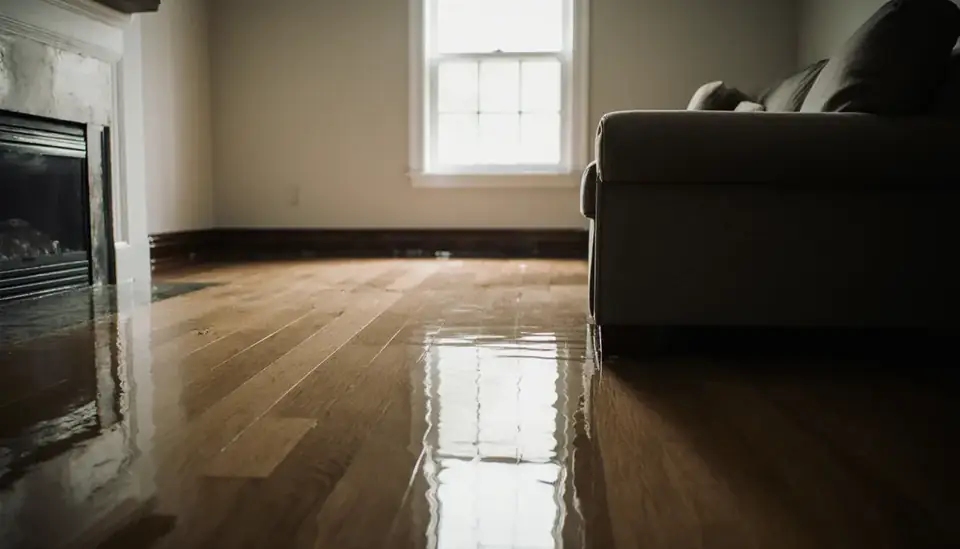
Young houses still leak. In fast-built subdivisions, the usual culprits are loose compression fittings under sinks, toilet supply lines, ice maker connections, shower pans and air conditioning condensate lines that clog and overflow in the attic. Because the house is new, owners often assume a damp spot is condensation or a cosmetic issue and wait, while water spreads under vinyl plank flooring or into the bottom of a wall.
- Check under sinks and behind toilets a few times a year with a flashlight.
- Know where the main shutoff is, often in a box near the curb or at the side of the garage.
- Keep the condensate drain line clear, and watch for water in the secondary drain pan in the attic.
- If the house is still under a builder warranty, report leaks in writing and keep photos.
A provider doing water damage repair can find how far water has traveled with moisture meters before deciding what has to come out.
February 2021: Eight Inches of Snow West of Town
For many Leander households, the Uri storm was the first real freeze their homes had seen. On February 15, 2021, the National Weather Service received a report of 8.0 inches of snow a mile west-southwest of Leander, among the deepest in Central Texas, and the cold lasted for days. Pipes in attics and exterior walls froze and split, and many leaks only began once things thawed.
When a freeze is forecast, open cabinet doors under sinks on outside walls, disconnect hoses and cover hose bibs, and let a faucet drip. If a pipe breaks, shut off the main immediately, turn off power to wet areas and photograph the damage before moving anything.
Hill Country Ground, Rain and Roof Damage
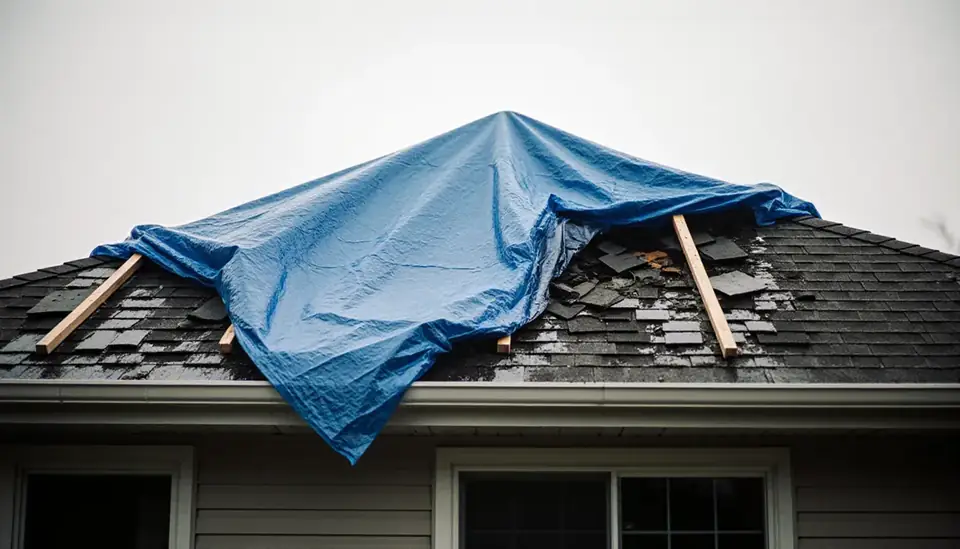
Western Williamson County is Hill Country brushland over limestone, with thin soils that shed rain rather than absorb it. Heavy storms can flood streets, overwhelm gutters and send water toward foundations, especially on lots graded during recent construction. Brushy Creek, a tributary of the San Gabriel River, runs through the area. Spring thunderstorms also bring hail and high winds, and roof damage is a common way water reaches attics and ceilings.
For roof leaks and wind-driven rain, storm damage cleanup usually means a tarp first, then removing wet insulation and drying the ceiling and wall framing. Water that came in from outside, through the ground or over a threshold, should be treated as contaminated.
Drying Fast to Stay Ahead of Mold
Warm, humid weather means wet drywall and carpet pad can start growing mold within a few days, and newer, tightly built homes hold moisture in closed rooms. Keep the air conditioning running, open cabinet doors and move wet belongings out. Commercial dehumidifiers and air movers, checked daily with moisture readings, usually dry a typical leak in several days. If a musty smell remains, ask for an inspection, since mold behind baseboards or under flooring is easy to miss.
Neighborhoods and Nearby Communities
The same line also serves nearby communities such as:
- Cedar Park
- Liberty Hill
- Georgetown
- Round Rock
- Lago Vista
- Santa Rita Ranch
- Brushy Creek
Questions From Leander Property Owners
Water is leaking in my new Leander house. Is this the builder's problem or a restoration job?
Often both. If water is actively spreading, stop it at the main valve and get drying started, since waiting on a warranty process can let damage grow. Notify the builder in writing with photos so the cause can be addressed under any warranty. Your homeowners insurer may also need to know, depending on the source and size of the loss.
Do I need flood insurance on higher ground in Leander?
Risk is lower than in creek bottoms downstream, but heavy rain on rocky Hill Country ground can still send runoff into homes, and homeowners policies exclude flood. Check your address on FEMA's Flood Map Service Center and ask your agent about a separate flood policy. Coverage generally has a waiting period, so it needs to be in place before a storm.
Is Leander served if I live in the Travis County part of town?
Yes. Leander extends into Travis County, and the line covers both sides of the county line. Call (888) 317-9980 and we'll connect you with an independent provider that serves your address, including neighboring Cedar Park.