

The Brazos River runs straight through the middle of Waco, past the old suspension bridge, the riverwalk and Baylor's campus, and Lake Waco sits on the city's western edge behind an Army Corps of Engineers dam on the Bosque River. Most of the water damage people deal with here, though, comes from closer to home: a heavy May or October storm, a roof that gives way to hail-driven rain, a supply line under a sink, or a pipe that freezes during one of the cold snaps Central Texas gets every few winters.
The Restoration Job doesn't do the work itself; it's a free referral line. Call (888) 317-9980 any time and we'll connect you with an independent restoration provider that serves Waco and the rest of McLennan County. Providers in the area commonly handle extraction, drying, tear-out and rebuild, and many offer emergency service.
How the call works: when you call (888) 317-9980, The Restoration Job connects you with an independent restoration provider that serves Waco. That provider inspects the damage, explains the scope and quotes the work. The Restoration Job doesn't perform restoration itself. Read our referral disclosure.
What the Brazos Gauge at Waco Tells You
The National Weather Service tracks the Brazos River at Waco and uses 19 feet as minor flood stage, 22 feet as moderate and 27 feet as major. The impact notes for that gauge are useful because they name real places. Around 19 feet, trails along the downtown riverwalk start to go under. By 22 feet, water begins to reach the Honey Lane neighborhood south of the gauge, and at 27 feet an apartment complex west of downtown along MLK Jr. Blvd. and parking lots near McLane Stadium are expected to flood. At 29 feet, the neighborhood around Faulkner Lane and MLK starts taking water as well.
The worst crests on record are old ones: 40.9 feet on September 27, 1936, and 39.7 feet in December 1913. Lake Waco's modern dam, finished by the Corps in 1965 for flood control and water supply, has changed how the Bosque side of the system behaves. That history matters if you are buying or renting near the river, because a quiet few decades says little about the next very wet spring.
Storm Season on the Edge of the Blackland Prairie
Waco averages a little over 36 inches of rain a year, and May and October are the wettest months. That rain often arrives in bursts from thunderstorms that also bring hail and high wind, so the typical damage pattern is a compromised roof or window followed by water running down inside walls and through ceiling drywall. The May 11, 1953 tornado, which killed 114 people, still sits in local memory as a reminder that severe weather here is not only about rain.
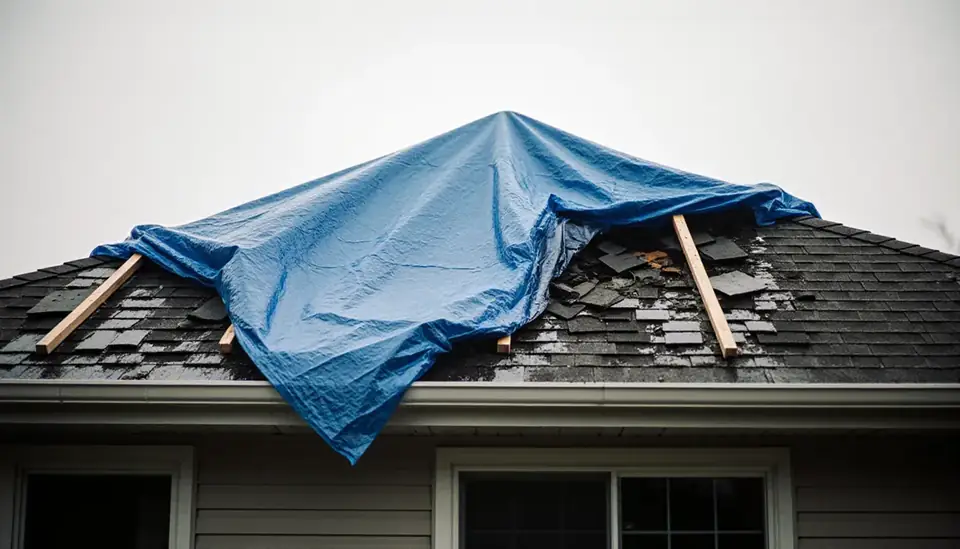
After a storm, tarping the roof and getting water out of attic insulation quickly makes a big difference. A provider offering storm damage cleanup will usually photograph the damage, set up temporary protection, then measure how far moisture has traveled before removing anything.
Older Waco Houses, Newer Suburbs and How Water Moves
Housing in Waco spans a wide range. Neighborhoods such as Castle Heights, a National Register historic district off Waco Drive, include older homes with raised wood floors, plaster or older drywall, and plumbing that may have been patched several times over the decades. Water in those houses tends to drop through the floor into the crawl space, where it can sit unnoticed and soak subflooring and insulation. Newer slab-on-grade houses in the growing subdivisions behave differently: water spreads sideways under flooring and wicks up into baseboards and the lower few inches of drywall.
Student rentals and apartments near Baylor add another wrinkle, since a leak in one unit often reaches a neighbor below. Tenants should report water to the landlord or property manager right away and photograph their own belongings, which are usually covered only under a renters policy.
The First Hour in a Wet McLennan County Home
- Shut off the main water valve if a pipe, water heater or fixture is the source.
- Turn off power to wet rooms at the breaker if you can do so safely.
- Stay out of river or creek water that has entered the house; treat it as contaminated.
- Photograph every wet room and damaged item before cleanup begins, and call your insurer early.
- Move rugs, furniture and paperwork off wet floors and onto something dry.
From there, water damage restoration generally means extraction, removing materials that can't be dried, and running dehumidifiers and air movers while readings are tracked each day.

Mold Risk in a Hot, Humid Summer
Central Texas summers are long and humid, and a wall cavity that stays wet for a few days in August can start growing mold. The usual trouble spots in local homes are behind kitchen cabinets after a slow leak, under carpet pad near an exterior door, around air conditioner air handlers in attics or closets, and in crawl spaces under older houses. If you notice a musty smell or staining weeks after a leak was "fixed," have the area checked with a moisture meter. Larger mold jobs in Texas fall under state rules administered by TDLR, so ask any provider of mold cleanup how they handle assessment.
Neighborhoods and Nearby Communities
Calls come in from across Waco, including:
- Downtown Waco
- Castle Heights
- Honey Lane
The same line also serves nearby communities such as:
- Bellmead
- Lacy Lakeview
- Hewitt
- Woodway
- Robinson
- Beverly Hills
- Lorena
- McGregor
Questions From Waco Property Owners
Does a high Brazos River mean my Waco home is going to flood?
Not necessarily. Most of the city sits well above the river, and the NWS impact notes for the Waco gauge point to specific low areas such as the riverwalk, the Honey Lane neighborhood south of the gauge and spots along MLK Jr. Blvd. Check the FEMA flood map for your address and watch the gauge forecast during long rain events rather than assuming the whole city is at risk.
Is Lake Waco a flood risk for homes nearby?
Lake Waco is a Corps of Engineers reservoir built for flood control and water supply, so it is designed to hold water back during heavy rain on the Bosque watershed. That doesn't remove risk from local creeks or street drainage. Homes beside any channel should still check their flood zone and consider a separate flood policy, since homeowners insurance excludes rising water.
How do I get local emergency alerts in McLennan County?
The Waco-McLennan County Office of Emergency Management runs an emergency notification system that sends phone and email alerts for things like tornado warnings, water outages, road closures and evacuations. Signing up before storm season means you hear about flooding and severe weather sooner, which gives you time to move belongings, protect the house and plan where to go.
What should Baylor-area renters do about a leak from the unit above?
Tell the landlord or property manager in writing right away, then document the water and your damaged belongings with photos. The building owner usually handles repairs to the structure, while your own property generally falls under a renters policy if you have one. Avoid running fans on soaked ceiling drywall that may be sagging, and keep clear of it.