
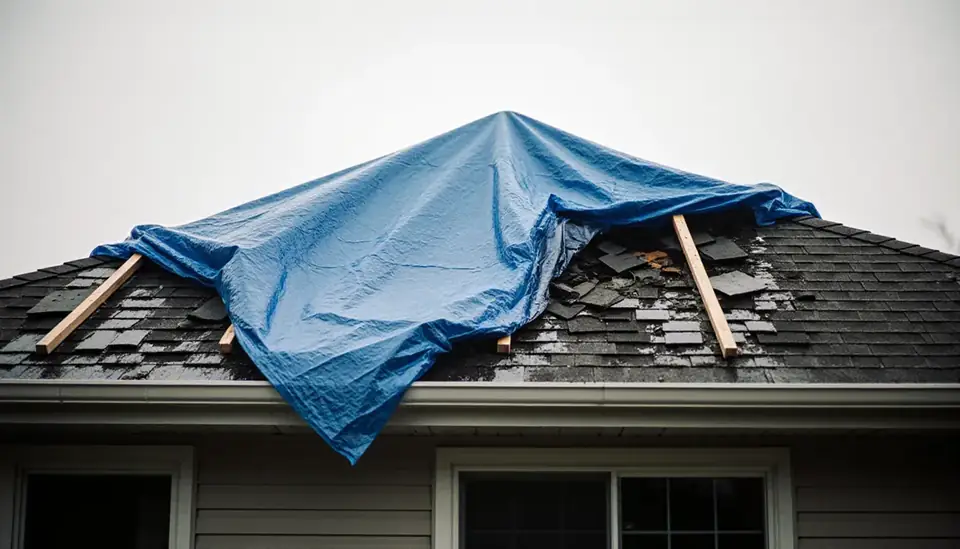
Calhoun County is more water than land, about 51 percent by area, and its county seat sits right on the edge of it. Port Lavaca occupies the west shore of Lavaca Bay, an arm of Matagorda Bay, at an elevation of roughly 16 feet. The town grew up after the 1840 Linnville raid, outlasted its rival Indianola after the 1886 hurricane, and built a seawall in 1920 specifically to hold back high water and erosion. Living here has always meant planning around the bay.
No restoration work is done by The Restoration Job itself; it is a free line that links callers with local companies. Call (888) 317-9980 any time and we'll put you in touch with an independent provider that works in Port Lavaca, Point Comfort, Seadrift and the surrounding county. Those providers typically handle water extraction, drying, mold cleanup and repairs.
How the call works: when you call (888) 317-9980, The Restoration Job connects you with an independent restoration provider that serves Port Lavaca. That provider inspects the damage, explains the scope and quotes the work. The Restoration Job doesn't perform restoration itself. Read our referral disclosure.
Lavaca Bay Surge and a Long Hurricane Record
Few Texas towns have a storm history as deep as this one. A hurricane in 1875 tore up the railroad near town, storms in 1942 and 1945 caused damage, and Hurricane Carla came ashore between Port Lavaca and Port O'Connor in September 1961 as a Category 4. Carla's gusts here were reported up to 170 mph, a state record, and the storm wrecked the original causeway, which was later turned into a 3,200-foot fishing pier.
More recently, the peak of Hurricane Harvey's storm surge in 2017 was measured at about 6 feet at Port Lavaca, and Tropical Storm Beta brought flooding in September 2020. The county's hazard mitigation plan also lists Hurricane Hanna and Hurricanes Marco and Laura in 2020 among the storms that affected the area. Bay water pushed into a building is salty and dirty, and it calls for thorough flood cleanup, not just mopping and fans.
Flood Zones, Repeat Losses and Flood Insurance
The Calhoun County multi-jurisdictional hazard mitigation plan maps Port Lavaca with X, AE and VE flood zones. VE is the coastal high-hazard designation where waves add to flood depth. The same plan counts eight single-family homes and four multi-unit buildings in the city with a history of repeated flood losses, and it notes the city takes part in the National Flood Insurance Program through its flood damage prevention ordinance.
In practice that means a few things for owners:
- Surge and rising water are generally covered only by a flood policy, not a standard homeowners policy.
- Wind-driven rain through a damaged roof is usually handled under wind or homeowners coverage, so separate the two kinds of damage in your photos and notes.
- Check your zone on FEMA's Flood Map Service Center before you rebuild, since elevation and permit rules can apply.
What a Restoration Crew Does After Saltwater Gets Inside
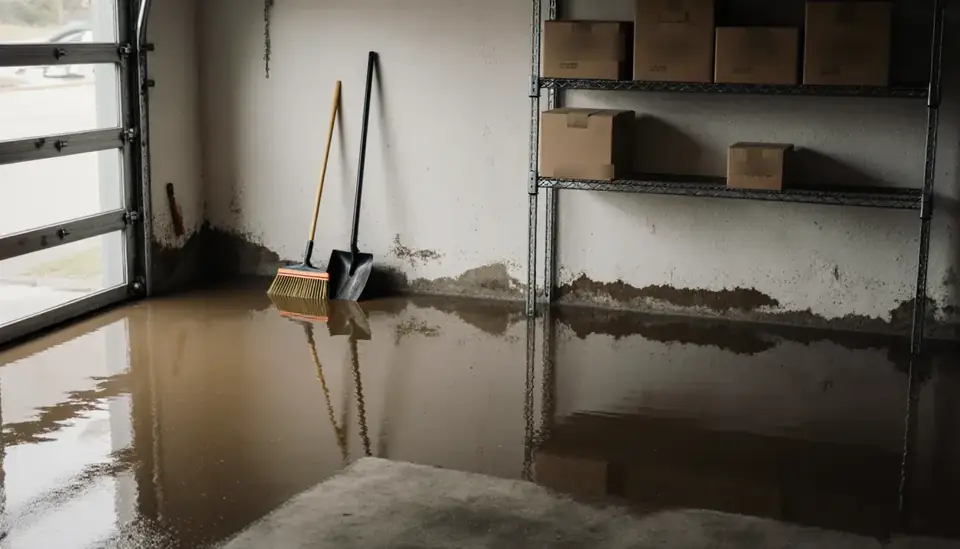
Saltwater intrusion leaves more behind than ordinary leaks do. Salt residue keeps drawing moisture back into drywall, wood and insulation, and it speeds corrosion on wiring, outlets and appliance parts. A restoration provider will usually remove soaked drywall and insulation to above the water line, haul out carpet and pad, wash framing and the slab to remove silt and salt, and then set up air movers and dehumidifiers until moisture readings fall to normal.
Have an electrician look at outlets and panels that sat underwater before power is fully restored. Elevated homes near the bay may have ductwork, insulation or water heaters in the space below the living floor, and those should be checked too. For a home with a mix of roof damage and surge water, providers often handle storm damage cleanup and drying as one job.
Bay Humidity and Mold in Calhoun County Homes
Onshore breezes off the bay keep the air moist most of the year, and summer heat speeds up everything mold needs to grow. After a hurricane, the real danger is time: if power is out for days and doors stay shut, walls that took on water can start growing mold before anyone returns to clean up. Wet sheetrock behind cabinets, closets on exterior walls and attic decking under a damaged roof are frequent problem areas.
Open the house to dry air once the weather clears, pull out wet materials, and get moisture readings before anything is repainted or re-covered. Where growth is spreading across walls or ceilings, professional mold remediation uses containment so spores are not stirred into clean rooms.
Everyday Leaks Away From the Waterfront
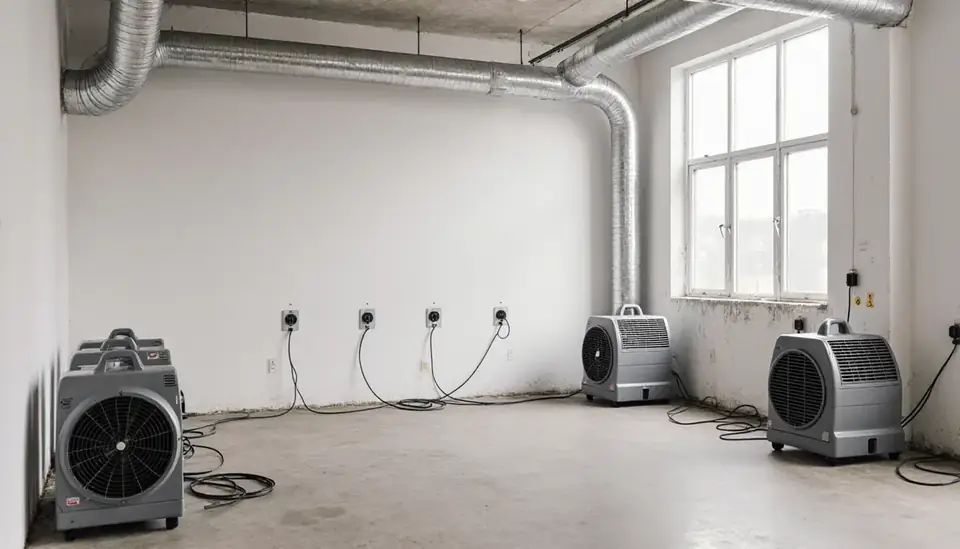
Not every claim here involves a hurricane. Slab homes in town see the same plumbing problems as anywhere else on the coast: failed water heater tanks, cracked supply lines under sinks, sweating or clogged air-conditioner drain lines that run all summer, and washing machine hoses that split. These are clean-water losses at the start, and if they are caught quickly most of the house can be dried in place. Left for a week in coastal humidity, the same leak can turn into a cabinet replacement and a mold job.
Areas In and Around Port Lavaca
The same line also serves nearby communities such as:
- Point Comfort
- Seadrift
- Port O'Connor
- Victoria
- Bloomington
Common Questions
Does the Port Lavaca seawall stop flooding from Lavaca Bay?
The seawall built in 1920 was meant to protect the town from high water and erosion, and it helps along the shoreline it covers. It does not make the city flood-proof. Harvey's surge peaked at about 6 feet here in 2017, and the county's mitigation plan still maps coastal high-hazard VE zones and lists homes with repeated flood losses.
Why does bay water need more work than a leaking pipe?
Yes. Bay water is contaminated and leaves salt that keeps pulling moisture into building materials and corrodes metal. Wet drywall, insulation and carpet are generally removed, and surfaces are washed before drying. A clean pipe leak caught early often allows drying in place. Insurance also differs: surge is typically a flood policy matter, while sudden plumbing leaks fall under homeowners coverage.
How do I get emergency alerts for Calhoun County?
Calhoun County's website links to its Office of Emergency Management and an emergency notification sign-up, a direct way to hear about evacuations and shelter information. For forecasts, tides and tropical outlooks, follow the National Weather Service office in Corpus Christi, which covers Port Lavaca and Victoria.