
Martín De León founded Victoria in 1824 on the east side of the Guadalupe River, and the river still sets the terms for much of the city's flood risk. The town sits on flat to gently rolling coastal plain at an average elevation of about 95 feet, roughly 50 miles inland from the Gulf. That distance keeps storm surge away, but it does nothing to stop a swollen Guadalupe, a tropical system parked overhead, or a long soaking rain that ditches and streets cannot carry off fast enough.
Think of The Restoration Job as a switchboard rather than a contractor. It is a free referral line: call (888) 317-9980 at any hour and we will connect you with an independent restoration company that serves Victoria and the rest of Victoria County. Providers in the area commonly handle water removal, drying, mold work and rebuilding, and many of them offer emergency service.
How the call works: when you call (888) 317-9980, The Restoration Job connects you with an independent restoration provider that serves Victoria. That provider inspects the damage, explains the scope and quotes the work. The Restoration Job doesn't perform restoration itself. Read our referral disclosure.
Reading the Guadalupe River Gauge at Victoria
The National Weather Service tracks the Guadalupe at Victoria and publishes what each river stage means on the ground. Around 21 feet, water spills over the east bank into low parts of Riverside Park. By 27 feet the flow is well into the park and edging toward the Texas Zoo and the golf course, and at 29.5 feet, major flood stage, the park, much of the golf course and the zoo go under.
The flood of record came on October 20, 1998, when the river crested at 34.04 feet. The weather service's impact notes for that level describe more than 600 homes affected in the west and southwest parts of the city, plus over 300 elsewhere in the county. Hurricane Harvey pushed the river to 31.3 feet on August 30, 2017, and crests above 31 feet were also logged in 1936 and 1981. If your house is on the west or southwest side, learn the gauge number that matters for your street before the next big rain.
Hurricane Wind and Rain Fifty Miles From the Coast
Being well inland does not take Victoria out of the hurricane picture. Hurricane Claudette hit in July 2003 with gusts to 83 mph, and about 90 percent of the city lost power. Hurricane Carla in September 1961 is still regarded as the most intense hurricane to affect the area. During Harvey, Victoria County was under a mandatory evacuation order.
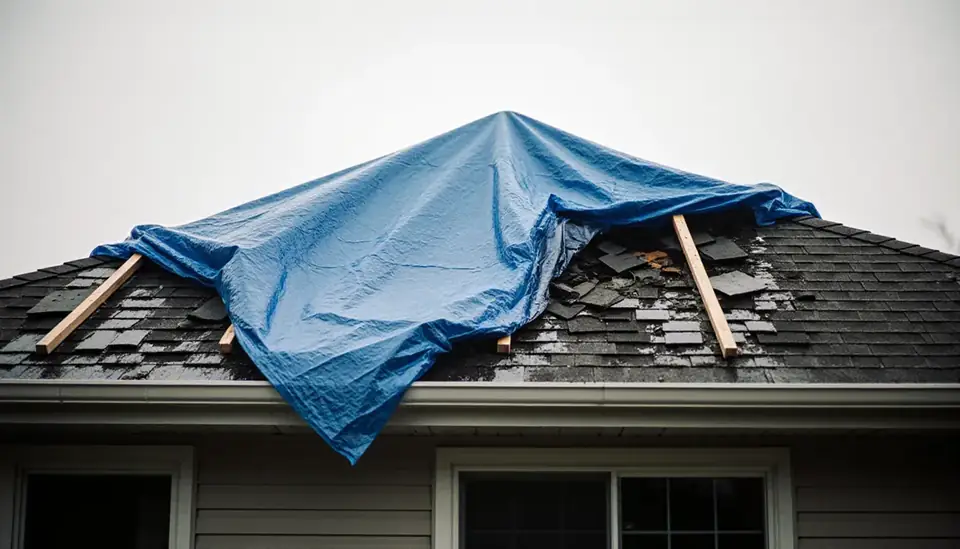
Inland, the usual losses are lifted shingles, broken windows, trees on roofs and rain driven through soffits and around flashing. Power outages make it worse, because a home without air conditioning or dehumidification stays wet for days. Prompt storm damage cleanup usually begins with tarping and board-up, then tearing out soaked ceiling drywall and insulation so the framing above can dry.
River Water Versus a Burst Pipe: Two Different Jobs
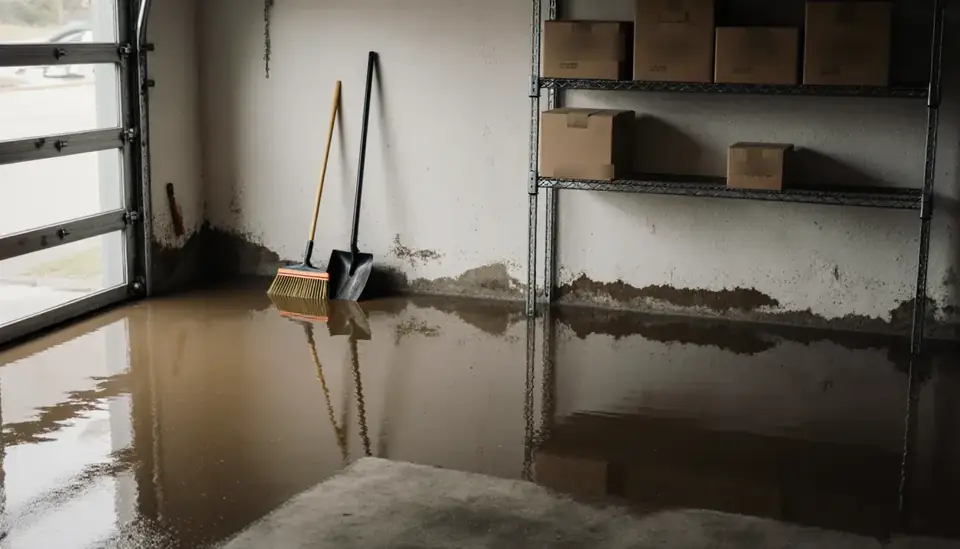
Water that comes out of the Guadalupe, a creek or a flooded street is treated as contaminated. It carries silt, farm and yard runoff and often sewage, so carpet, pad, drywall below the waterline, insulation and upholstered furniture it touched are generally thrown out. A restoration provider will cut drywall above the high-water mark, clean and disinfect the studs and slab, and then dry the structure.
A broken supply line or a leaking water heater is a different situation. Clean water caught within a day or two can often be extracted and dried in place with far less demolition. In both cases, the steps look similar:
- Shut off water at the meter or the house valve, and turn off power to wet areas if it is safe.
- Photograph every room, the water line on walls and damaged contents before anything is moved.
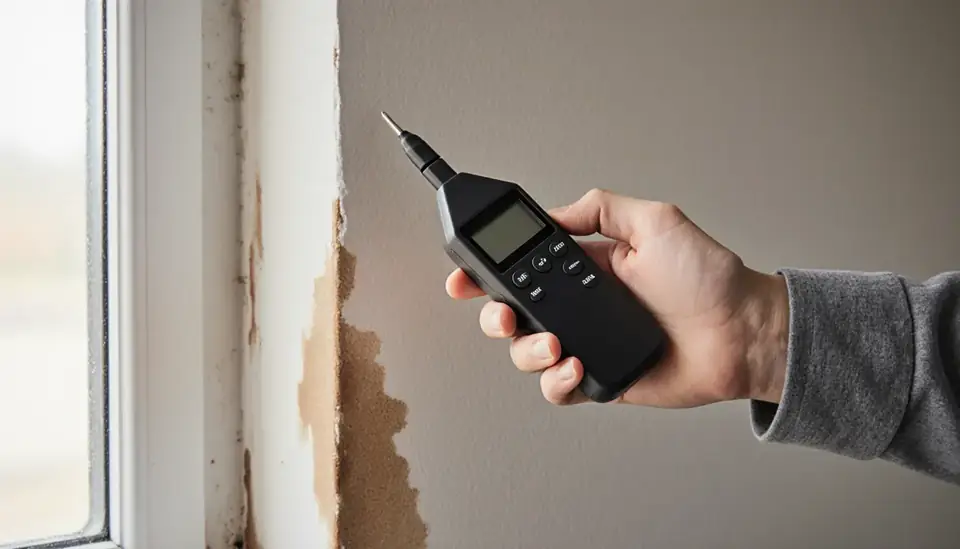
- Have standing water removed and moisture mapped with meters.
- Run fans and dehumidifiers until readings show the materials are dry, then rebuild.
Professional flood cleanup follows the contaminated-water path; a pipe leak usually needs simpler drying.
Wet Months, Long Summers and Mold
Victoria averages a little over 41 inches of rain a year, and the wettest months are May, June, September and October. Summers are long and hot, with temperatures that regularly top 100 degrees, and the humid subtropical air keeps indoor surfaces damp whenever cooling is interrupted. That combination is why mold can show up on drywall, baseboards and the back of cabinets within a couple of days of a leak.
Watch for musty odors in closets and under sinks after any water event, and do not paint over staining that keeps coming back. If growth covers more than a small patch, or the water came from the river, a mold remediation assessment is a sensible next step before walls are closed up.
Insurance, Flood Maps and Older Homes in Victoria County
Standard homeowners policies typically exclude rising water from a river or street, so flood damage is usually paid only through a separate flood policy. Check your address on FEMA's Flood Map Service Center, and keep in mind that the 1998 flood reached homes well beyond the mapped riverside low areas. Sudden plumbing failures, on the other hand, are often covered under homeowners insurance, which makes good photos and moisture readings important.
The city has a long building history, and some older houses, including ones designed by local architect Jules Carl Leffland, still stand. Older homes can have plaster walls, wood floors and pier-and-beam foundations that dry differently from a newer slab house, so ask a provider how they plan to dry those materials without causing more damage.
Areas In and Around Victoria
The same line also serves nearby communities such as:
- Bloomington
- Placedo
- Inez
- Port Lavaca
- Cuero
- Goliad
Victoria Water Damage Questions
At what river level should Victoria homeowners start paying attention?
The National Weather Service lists minor flood stage on the Guadalupe at Victoria as 21 feet and major flood stage as 29.5 feet. At major stage, Riverside Park, the golf course and the Texas Zoo flood. The 1998 record crest of 34.04 feet affected more than 600 homes in the west and southwest parts of the city, so residents there should follow river forecasts closely during heavy rain upstream.
Does Victoria get hurricane damage even though it is inland?
Yes. Victoria is about 50 miles from the Gulf, which keeps storm surge away, but hurricanes still bring damaging wind and heavy rain. Claudette in 2003 produced gusts to 83 mph and knocked out power to about 90 percent of the city. Roof leaks, broken windows and fallen trees are the common results, and long outages slow drying.
Who should I call first after my house floods?
If anyone is in danger, call 911. Once it is safe, contact your insurer to open a claim and document the damage with photos. For cleanup, you can call The Restoration Job at (888) 317-9980 any time and we will connect you with an independent provider that serves Victoria. For river forecasts and warnings, follow the National Weather Service office in Corpus Christi.
How fast does mold grow after a leak in Victoria's climate?
In hot, humid weather, mold can start growing on damp drywall, wood and carpet backing within roughly one to two days. That is why removing standing water and getting dehumidifiers running quickly matters. If walls stay wet behind cabinets or baseboards, growth can spread out of sight, so ask for moisture readings rather than relying on surfaces that feel dry.