
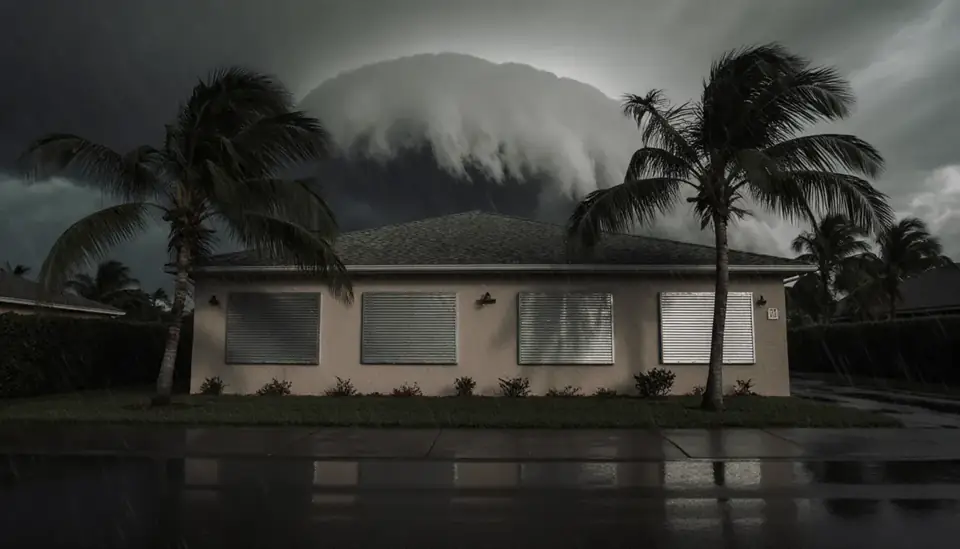
A strip of sand less than four square miles in area, with the Gulf of Mexico on one side and the Laguna Madre on the other, holds a town of about 2,000 year-round residents and a skyline of resort hotels and condominium towers. South Padre Island's ground sits only about 6.6 feet above sea level, and the 2.5-mile Queen Isabella Causeway is the only road to the mainland. Water damage here comes from wind, waves, tides and, just as often, from plumbing in buildings that sit empty for part of the year.
The Restoration Job is a free referral service and does not perform restoration. Call (888) 317-9980 any time and we'll connect you with an independent provider that works on the island and in Port Isabel. Providers typically handle water extraction, drying, storm repairs and mold work, and many of them offer emergency service.
How the call works: when you call (888) 317-9980, The Restoration Job connects you with an independent restoration provider that serves South Padre Island. That provider inspects the damage, explains the scope and quotes the work. The Restoration Job doesn't perform restoration itself. Read our referral disclosure.
Direct Hits on a Barrier Island
Hurricane Dolly made landfall on the island itself on July 23, 2008, with 85 mph sustained winds, and caused extensive damage, including the partial collapse of an apartment complex roof. Storm surge reached up to about 4 feet. Hurricane Beulah in 1967 caused considerable damage to much of the town, and Hurricane Ike in 2008 added moderate damage. Smaller events count too: on October 21, 2019, microbursts caused pockets of damage on the island and in Bayview.
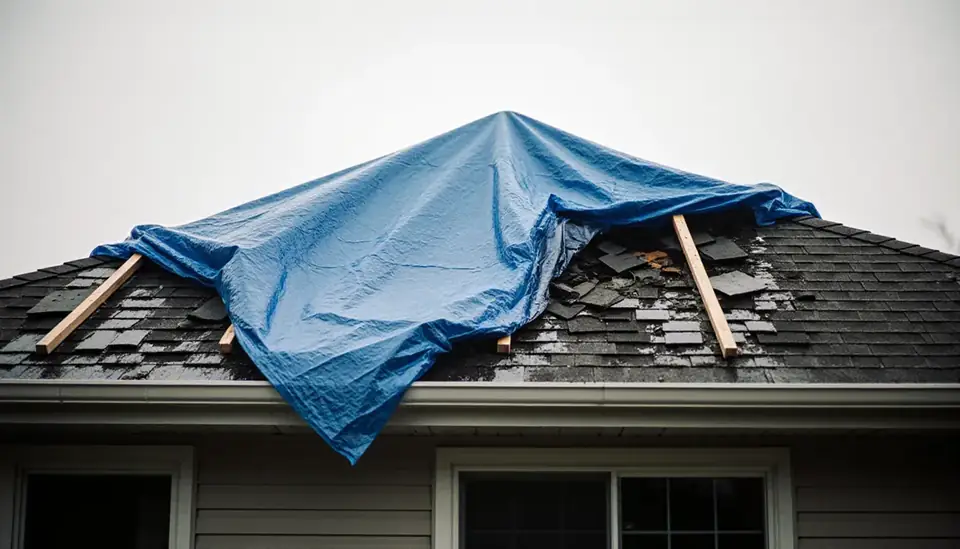
Wind is the main threat for the upper floors of a high-rise. Failed sliding doors, window seals and balcony thresholds let rain blow in sideways, and water then runs down through floors and walls into units below. After a storm, prompt storm damage cleanup includes covering openings, extracting water and checking adjoining units for moisture.
Bayside Tides and Beach Erosion During Alberto
The Laguna side can flood even when the Gulf beaches take the headlines. During Tropical Storm Alberto in June 2024, water at the island's Coast Guard station reached 2.73 feet, more than 3 feet above the predicted tide. High water bottled up in the southern Laguna Madre flowed onto the bay side of the island, while days of pounding waves caused significant beach erosion and calving of dunes north of the city. Ground-floor units, garages, lobbies and mechanical rooms in low buildings are most exposed to that kind of tidal flooding.
Condo Leaks: Sorting Out the Unit, the Neighbor and the Association
In a condominium tower, one leak often becomes several claims. A supply line that bursts on the eighth floor can soak the units on seven and six before anyone opens the door, especially when owners are away. Responsibility usually depends on where the leak started and on the association's governing documents, so a few steps help:
- Notify the property manager or association right away so shared pipes and risers can be shut off.
- Photograph damage in your unit and note the time you discovered it.
- Contact your own insurer, even if the source was another unit.
- Ask the restoration provider to document moisture readings room by room, since several parties may need the same records.
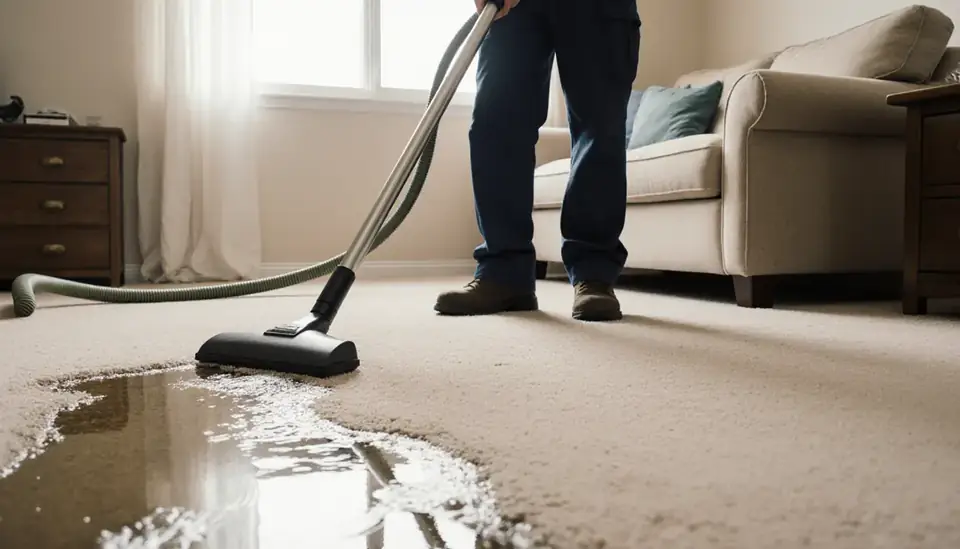
Fast water extraction limits how far water travels through shared walls and ceilings.
Mold in Rentals and Closed-Up Units
The island's climate is warm and humid, with September the wettest month at about 6.3 inches of rain on average, followed by October. Units closed up between visits, with the air conditioning switched off to save money, can grow mold behind furniture and in closets even without a leak. Add a slow drip from an ice maker line or an air-conditioner drain, and the problem moves into walls and cabinets. Keep cooling set to control humidity, and if a unit smells musty when you arrive, have it inspected before the next guests check in. Visible growth larger than a small patch is a job for professional mold remediation.
One Bridge, Evacuations and Rebuilding
Because the causeway is the only way off the island, leaving early when an evacuation is called is the safe plan. The City of South Padre Island has an emergency management team that coordinates storm preparation and recovery, and Cameron County publishes evacuation zone maps. Once you are back, expect building permits for structural repairs and check with the city's building department before major work starts.
Flood coverage is separate from homeowners and condo policies, and wind coverage on the coast is often written separately too. Read through the association's master policy and your own unit policy so you know which one covers walls, fixtures and contents.
Where Callers in the South Padre Island Area Are
The same line also serves nearby communities such as:
- Port Isabel
- Laguna Vista
- Laguna Heights
- Bayview
- Brownsville
Common Questions
Who pays when water leaks into my condo from the unit above?
It depends on where the leak started and on your association's documents. Generally, the owner of the unit where the water originated, the association's master policy and your own unit policy may all play a part. Report the leak to the property manager immediately, document everything and notify your insurer even if you did not cause the leak.
Does the bay side of South Padre Island flood?
Yes. When winds pile water into the southern Laguna Madre, it can rise onto the bay side of the island. During Tropical Storm Alberto in June 2024, the National Weather Service reported tidewater flowing into unprotected areas on the Laguna side. Low buildings, garages and ground-floor units are the most likely to take water.
How can owners of vacation rentals reduce water damage?
Shut off water to the unit between stays when possible, leave the air conditioning on to control humidity, and replace washing machine and ice maker lines on a schedule. Leak sensors and smart shutoff valves help when nobody is there. After any storm or power outage, have a manager or neighbor check the unit.