
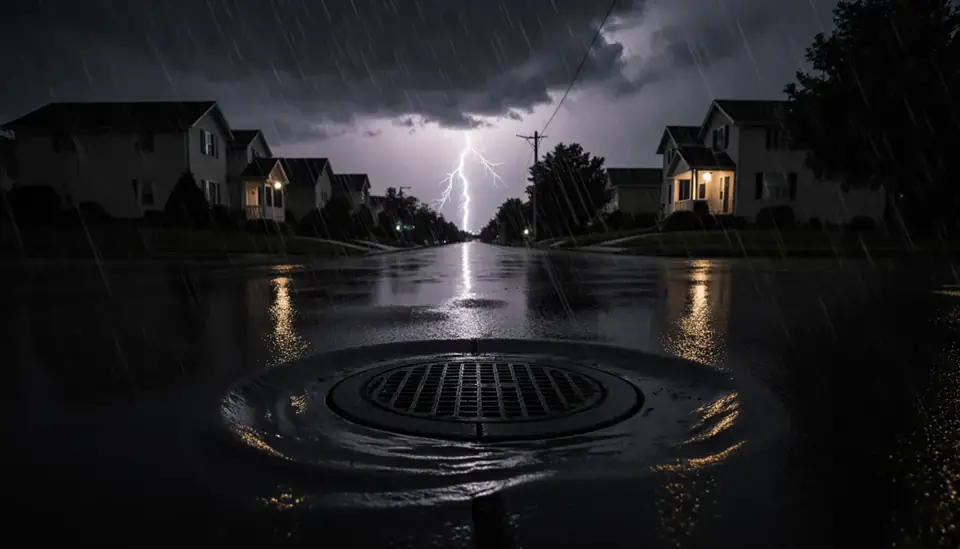
Pharr stretches from the Edinburg line down a narrow band of city limits to the Rio Grande, where the city operates the Pharr-Reynosa International Bridge. Inside those limits is Las Milpas, the community the city annexed in 1987. Averaging about 21 inches of rain a year, Pharr is drier than the coastal end of the Valley, yet a single tropical storm can deliver much of that total in a day or two, and wind is as much a concern as water.
Repairs are handled by outside contractors, not by The Restoration Job. We run a free phone line at (888) 317-9980, open 24/7, that connects you with an independent restoration provider serving Pharr for storm damage cleanup, extraction and drying.
How the call works: when you call (888) 317-9980, The Restoration Job connects you with an independent restoration provider that serves Pharr. That provider inspects the damage, explains the scope and quotes the work. The Restoration Job doesn't perform restoration itself. Read our referral disclosure.
Wind First, Then Water: How Hurricanes Hit Pharr
Pharr is roughly 50 miles from the Gulf, which spares it storm surge but not wind. When Hurricane Beulah came ashore near the mouth of the Rio Grande in September 1967, gusts above 100 mph were recorded as far inland as Pharr and its neighbors. During Hurricane Hanna in July 2020, the National Weather Service logged a sheet-metal carport collapse and snapped trees in the city overnight, and up to half of Hidalgo County lost power at the peak.
That sequence matters for a house. Wind lifts shingles, peels flashing and drops limbs on roofs; then the rain bands that follow push water through the openings into attics, insulation and ceilings. A sagging or stained ceiling after a storm is a sign that wet insulation is sitting on drywall and should be dealt with quickly, both for safety and to limit how far the water spreads.
Street Flooding Around Pharr and Its Neighbors
Flooding here is usually rain that outpaces drainage on nearly level ground at about 112 feet above sea level. In June 2015 the weather service recorded water flowing into a home in Pharr during a stretch of slow-moving storms. In the 2018 flood, next-door San Juan saw water up to the roofs of stranded cars on the Highway 83 frontage road, and during Hanna, Alamo to the east reported 1 to 2 feet of water over roads.
Hidalgo County Drainage District No. 1 lists a Pharr-McAllen drain, a South Pharr/McAllen lateral and a Las Milpas project among its work, part of a ditch network the district has been building since 1908. Those improvements reduce how long water sits, but they cannot absorb every cloudburst. Low streets, homes built close to grade and lots near ditches remain the first places to take on water.
Sorting Out a Water Loss in a Pharr Home
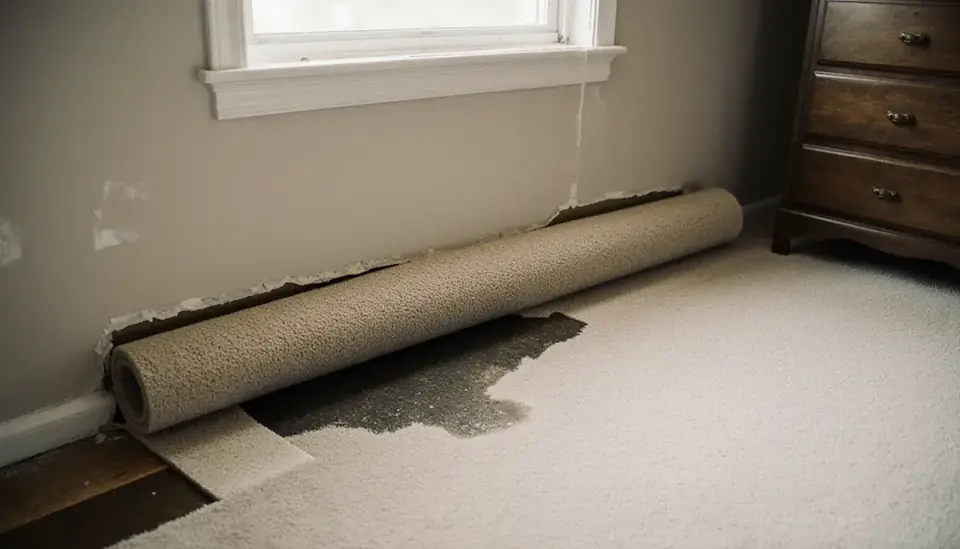
Restoration work generally follows the same order regardless of the source, but the details change depending on where the water came from:
- Roof or window leaks after wind: a crew will usually tarp or otherwise protect the opening, remove saturated insulation, and dry or replace affected ceiling drywall.
- Water from the street: treated as contaminated, so carpet, pad and the lower portion of drywall are typically removed before drying and disinfecting.
- Plumbing failures such as a burst supply line or water heater: often clean water, so prompt water extraction may allow more materials to be dried in place.
In all three cases, documenting with photos and moisture readings before anything is thrown away helps with insurance. Wind damage is commonly a homeowners claim, while rising floodwater normally requires a separate flood policy.
Rare Freezes and Exposed Plumbing
Hard freezes are uncommon in the Valley, which is precisely why houses here are not built for them. During the February 2021 cold wave, temperatures across the McAllen-Edinburg area dropped well below freezing, and pipes in attics, exterior walls and outdoor water heater closets were vulnerable. When a deep freeze is forecast, dripping faucets, opening cabinet doors on exterior walls and knowing where the main shutoff is can prevent most breaks. If a pipe does burst, shut off the main and start drying the same day.
Keeping Mold Out of Walls and Ceilings
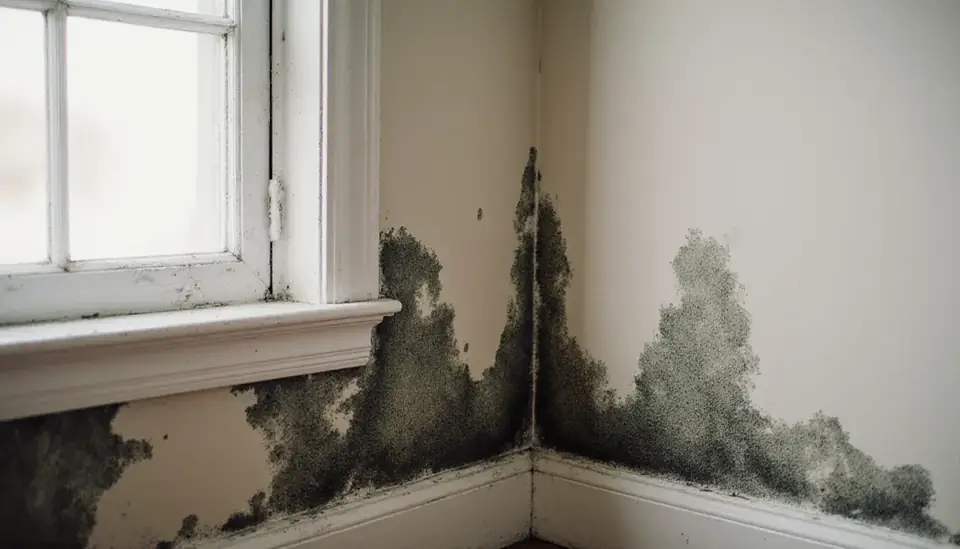
September is Pharr's wettest month on average, and it arrives in the middle of a long, hot, humid summer. Wet ceiling drywall, insulation and the backs of cabinets left closed up in that air can grow mold within days. Opening affected areas, running dehumidifiers and confirming dry readings before patching is what prevents a repeat musty smell. If growth is already visible over a sizeable area, a provider offering mold remediation will usually contain the space before removing materials so spores are not spread through the rest of the house.
Neighborhoods and Nearby Communities
Calls come in from across Pharr, including:
- Las Milpas
The same line also serves nearby communities such as:
Pharr Water Damage Questions
Is roof damage from a hurricane covered differently than flooding?
Usually, yes. Wind damage and the rain that enters through a wind-damaged roof are generally handled under a homeowners policy, often with a separate windstorm or hurricane deductible. Water that rises from the ground during a storm is flood damage and typically requires a separate flood policy. Report both promptly and keep the two types of damage documented separately.
Should I pull down a wet ceiling myself?
Only if it is safe. A ceiling holding wet insulation can be heavy and may fall without warning, and light fixtures in it may still be energized. Turn off power to that area, move people and belongings away, and if the ceiling is bulging, catch the water in a bucket after poking a small hole at the low point. Leave removal to a crew with proper equipment.
Does Las Milpas flood more than the rest of Pharr?
We cannot say that from the official sources available. Hidalgo County Drainage District No. 1 does list a Las Milpas project among its drainage work, which suggests the area has been a focus for improvements. For any specific address, check the FEMA flood map and ask neighbors how the street behaved during the 2015, 2018 and 2020 storms.